





|
|
|
|
|
|
|
|
|
|
|
|
|
|
|
|
|
|
|
|
|
|
||||||||
|
|
|
||||||||||||
|
|
|||||||||||||
|
|
|
|
|
|
|
||||||||
|
|
|
||||||||||||
|
|
|
|
|||||||||||
|
|
|||||||||||||
|
|
|
||||||||||||
|
|
|||||||||||||
|
|
|
|
|||||||||||
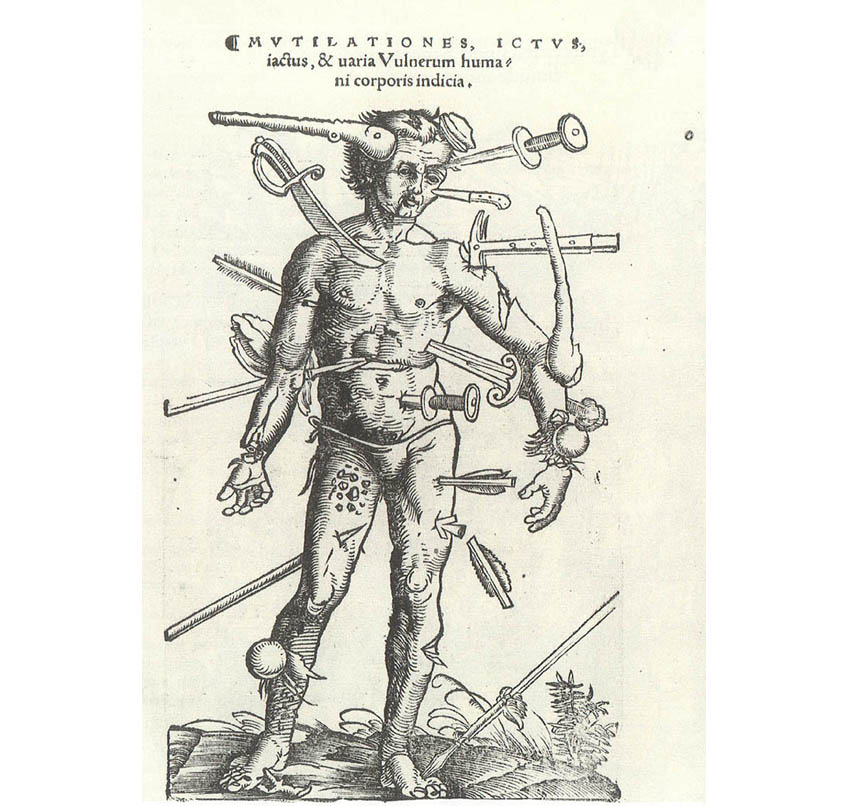
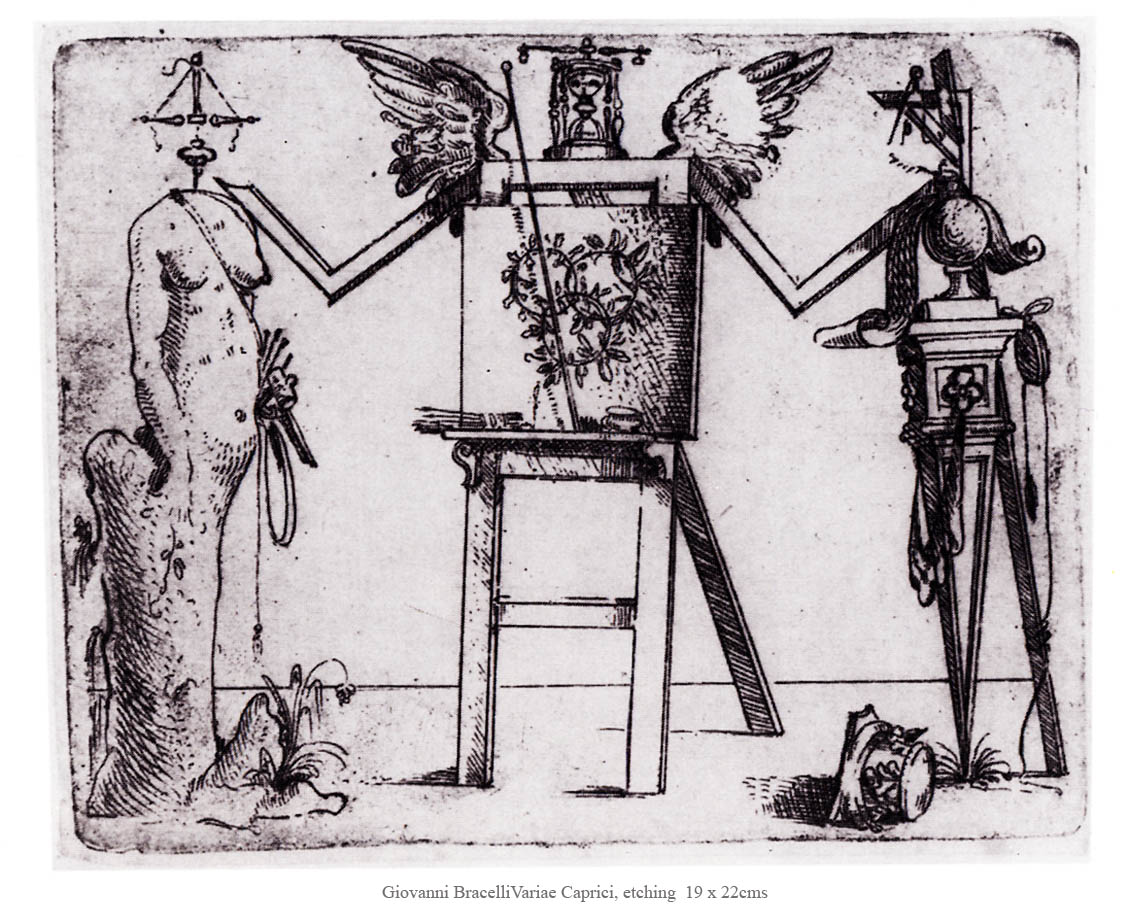
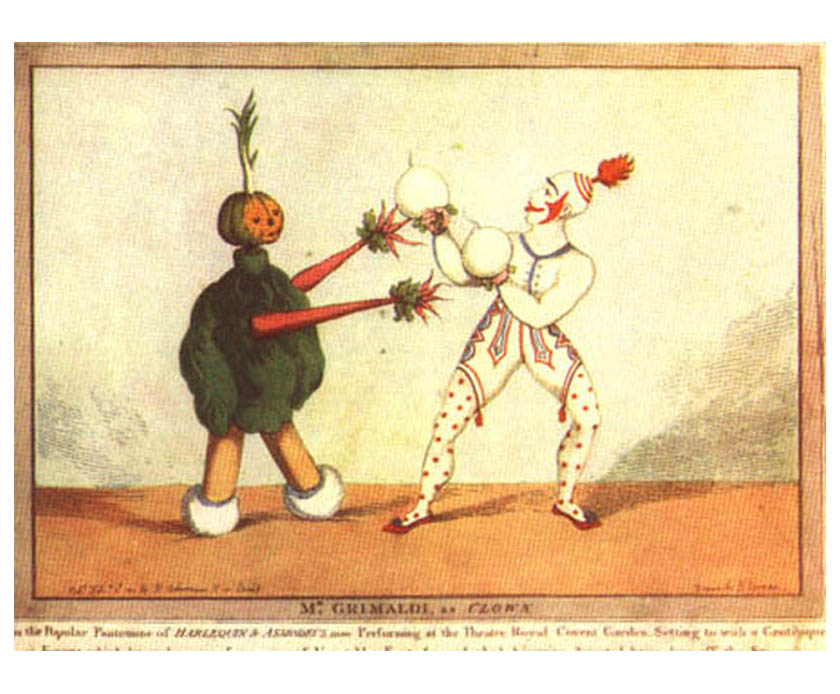
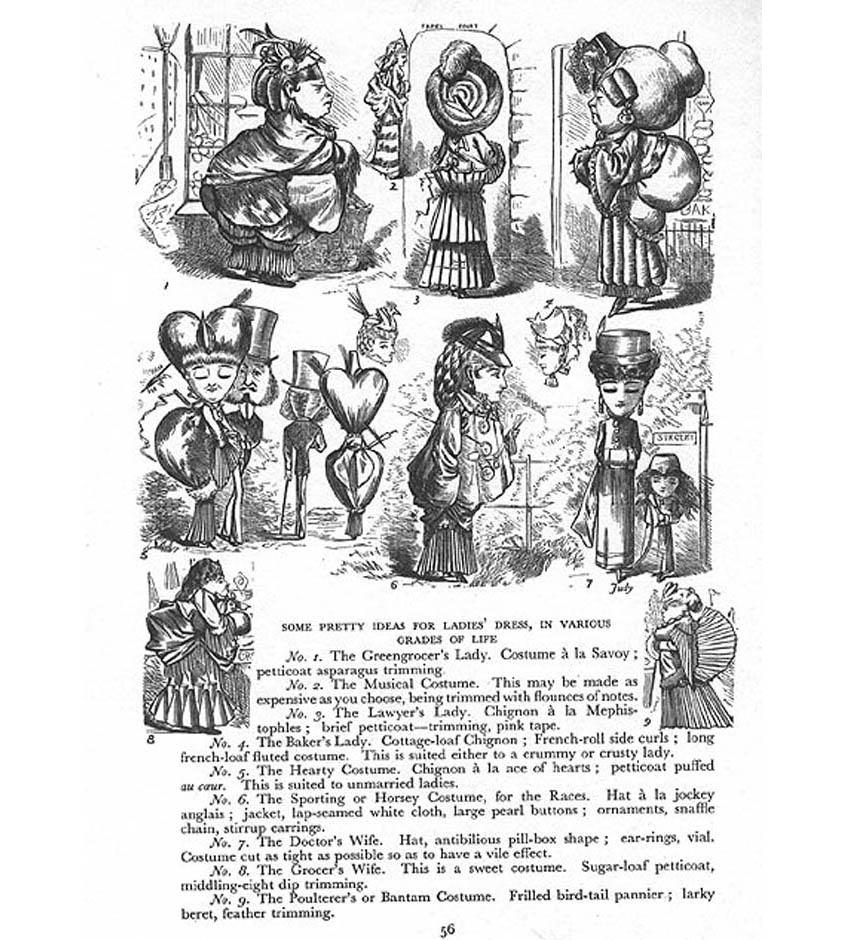
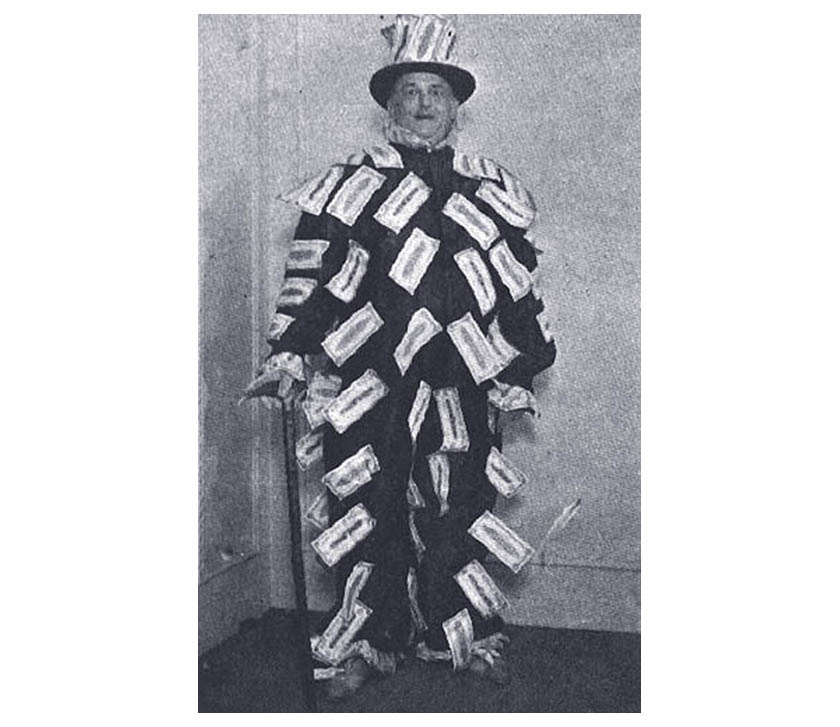
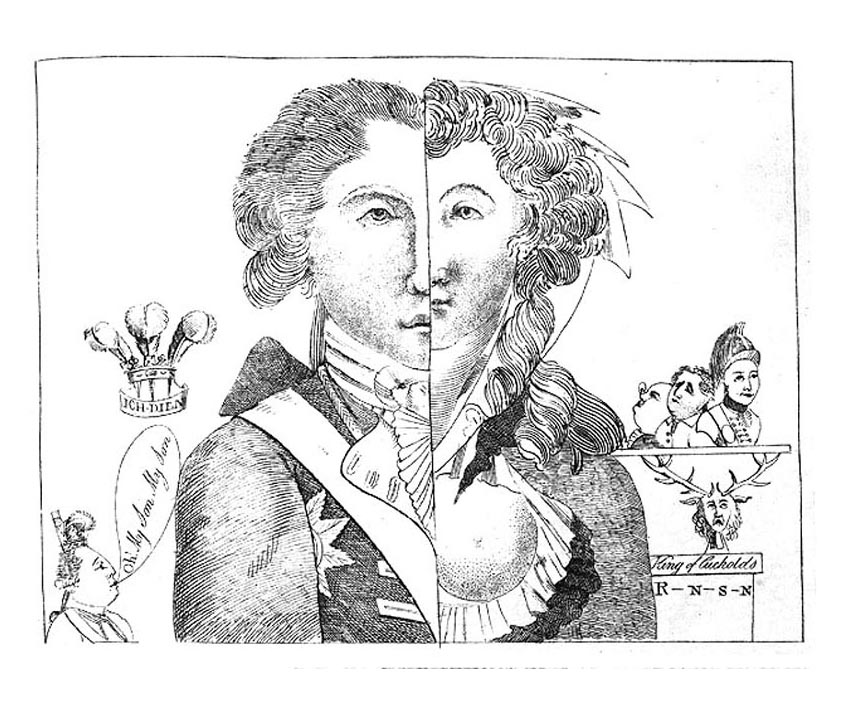
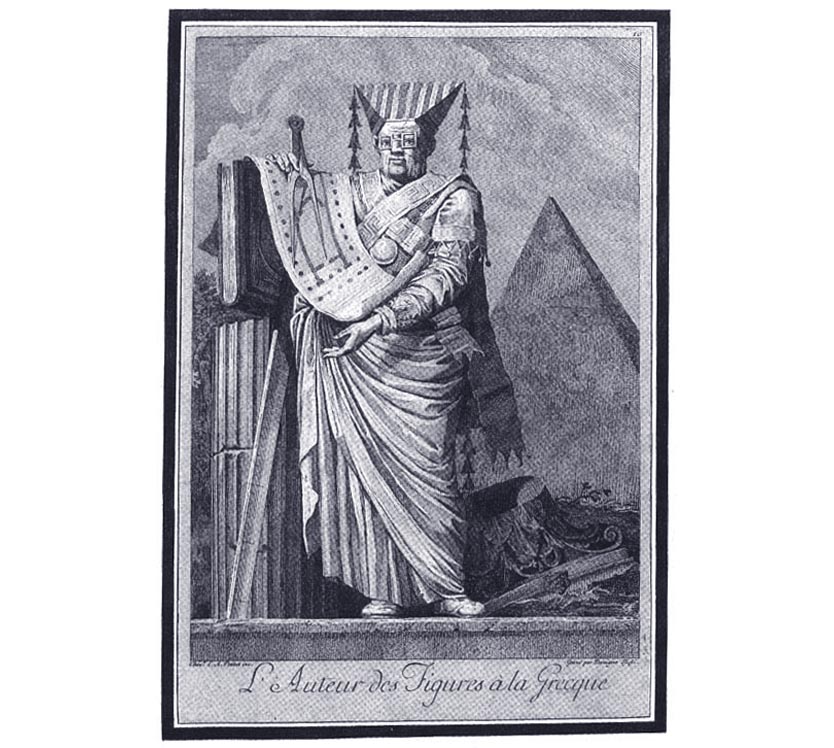
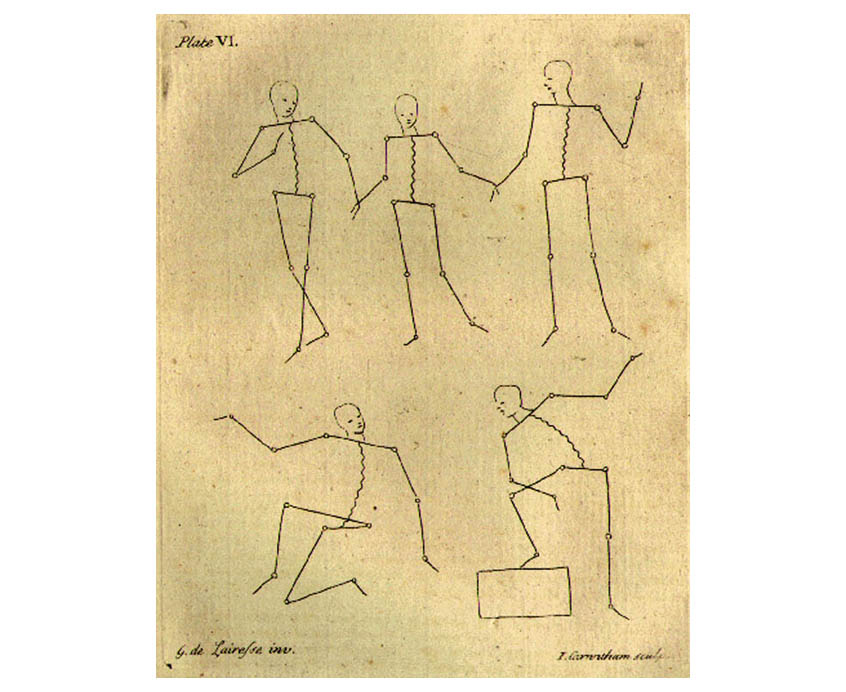
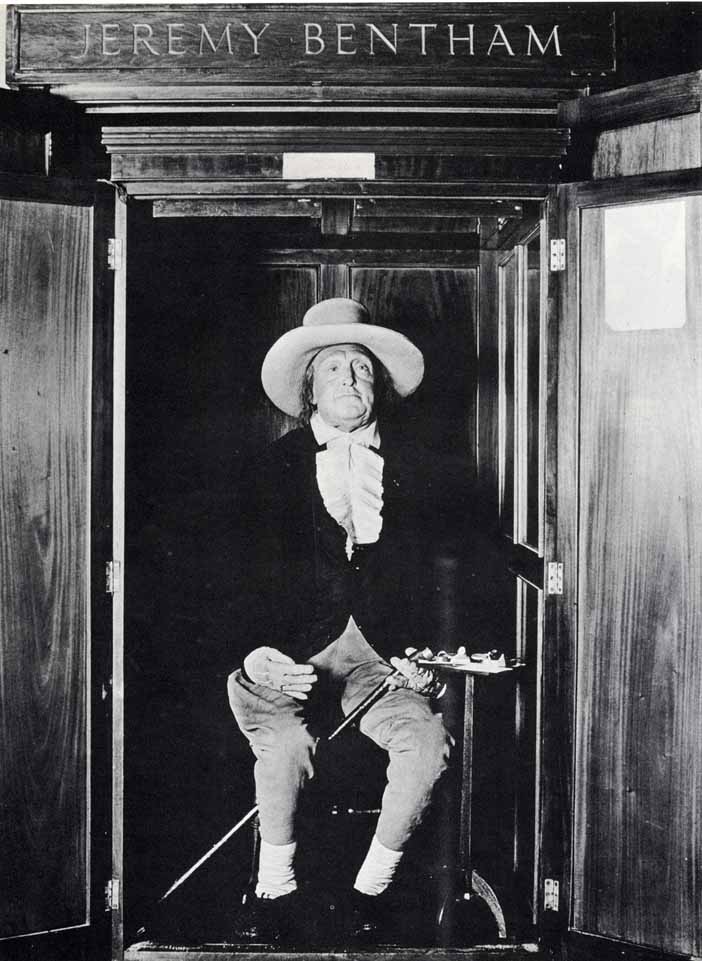
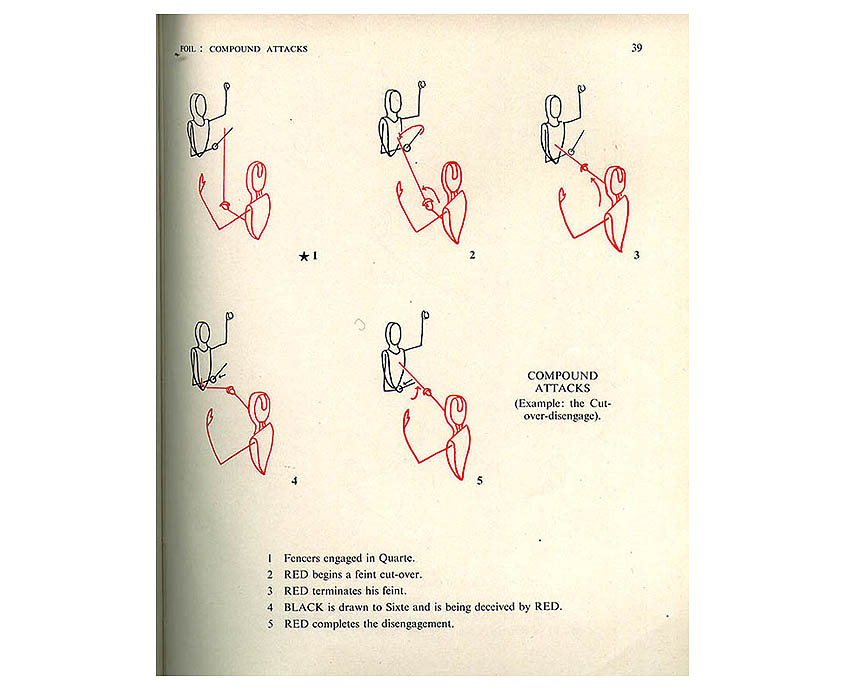
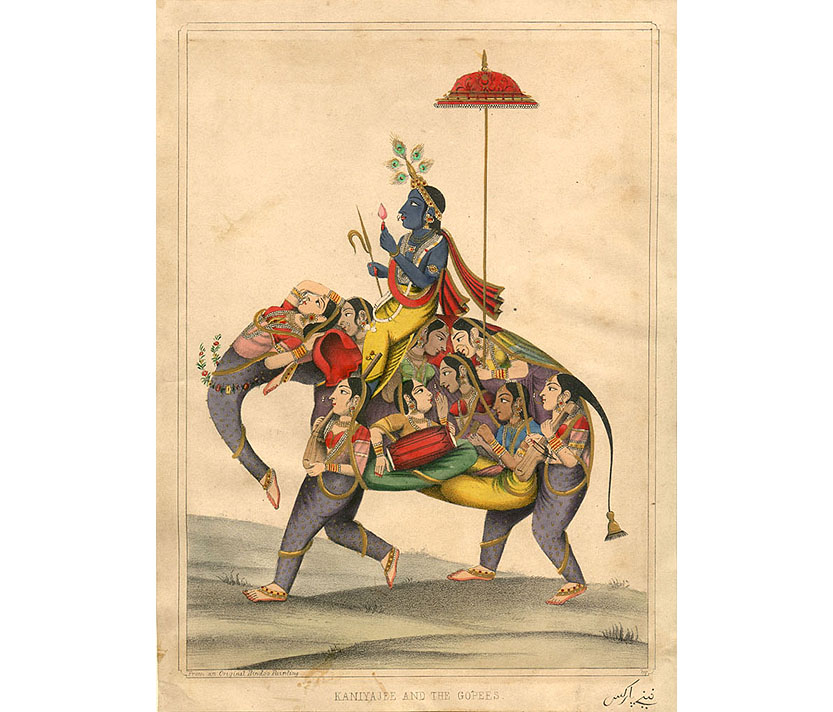
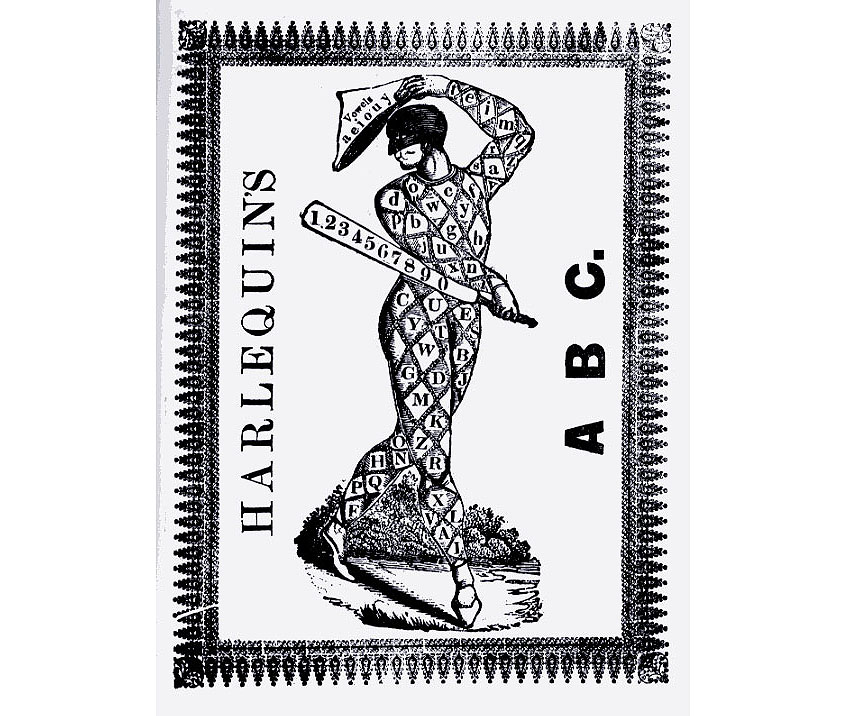
Imagine a full length human being as promoted in all sensible depictions of proportion, anatomy and perspective. Four limbs - a head, a trunk - that'll do nicely. In this section you'll find the different ways in which one of our most basic understanding is undermined, teased with and otherwise messed about with. The game is fundamental and part of most people's doodliing repertoire. 01. from ALBUCASIS' three volume work on surgery Strasburg 1532 02. Giovanni Battista Bracelli, engraving from Variae Caprici , a set of compositions with human beings constructed from inanimate objects. 03. hand coloured lithograph c 1820 Grimaldi as Clown battling with a vegetable man. 04. hand coloured lithograph c 1830 17 x 21 cms 05. from JUDY c1870 English humour magazine 06. The Tin Man illustrated by W.Denslow from L. Frank Baum's The Wonderful Wizard of Oz 1900 07.satire on Mrs.Robinson and the Prince of Wales, 1782, see GRAPHIS 16, 1946. 08. E.-A.Petitot, Mascarade de la Grecque, Parma 1771. Petitot worked in Parma as an architect, and this engraving is one of an entertaining set of caprices based on the theme of the human body embedded in classical detail. 09. A Tax Inspector attends a Fancy Dress Ball in the costume that suggests his trade c1922 10. from Gerard de Leiresse, The Art of Painting 1778 - 18 x 24cms, oppos.p.13 11. A Triumph of Taxidermy - Jeremy Betham's Body stuffed and mounted in a case at the Guildhall in London. 12. The
Stick Figure Informs from de Beaumont's Fencing Techniques
in Pictures 13. Nicholas de L'Armessin, The Shoe Man , print, Paris , about 1720. 14. Zanti and the Elephant - a multifigural ambiguity -Indian print handcoloured c 1820 15. from Harlequin's ABC , W.Johnson London c1845, the alphabet on the traditional clown. |
other sections
 |
THE FIGURE SEEN FROM BEHIND |
|
FIGURES IN THE JAPANESE PRINT |
|
MANNERS AND CUSTOMS OF MANKIND, HAMMERTON C1935 |
|
A GENERAL GALLERY |
|
THE ARCHIMBALDO EFFECT, exhib catalogue, Hulten |
|
GIOVANNI BRACELLI, Bizarre Figures 1624, etchings |
|
NICOLAS DE LARMESSIN, Trade Costumes, 1700 |
|
THE CONTORTIONIST |
SINGLES
one
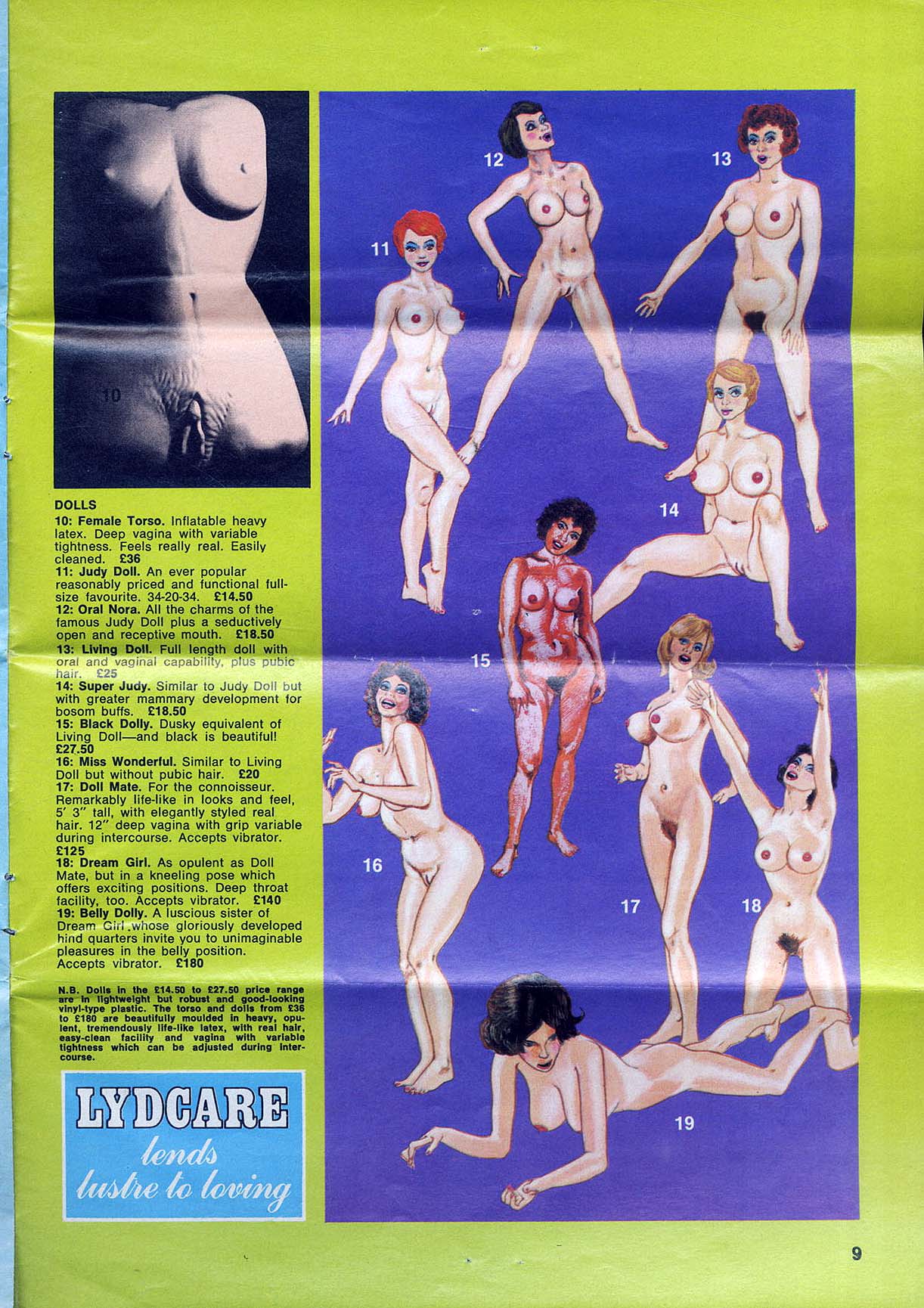 |
Oral Nora and Miss Wonderful, Inflatable Women from LYDCARE'S catalogue c1976 |
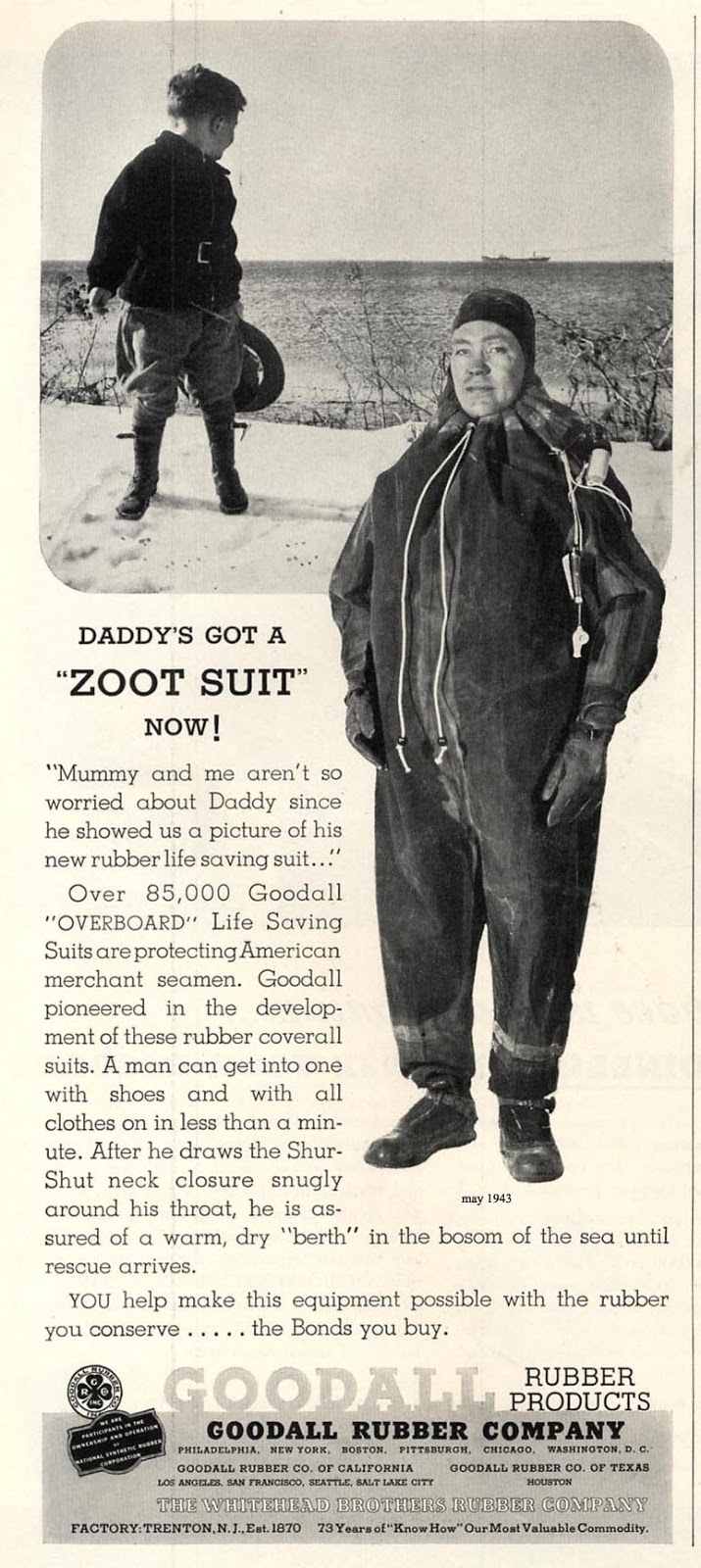 |
DADDY IN A LIFESAVING SUIT FROM GOODALL RUBBER |
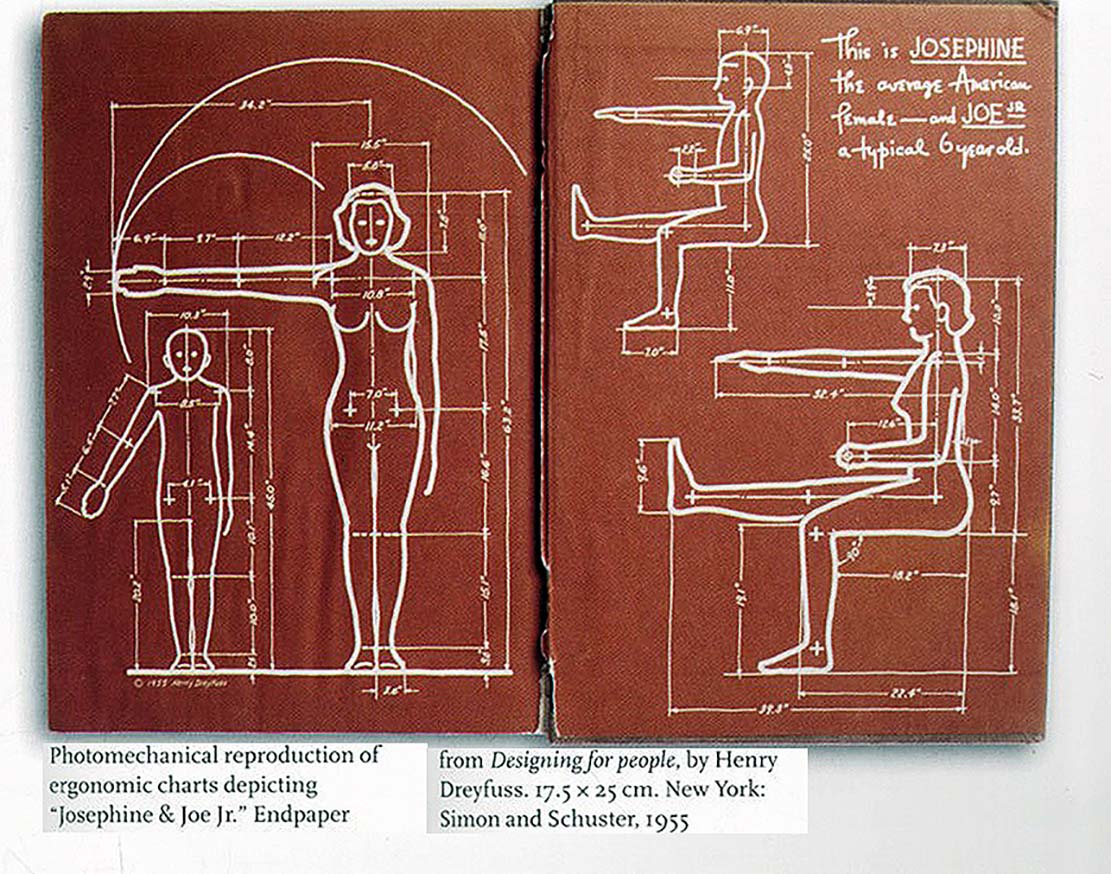 |
Josephine and Jo from Henry Dreyfuss ergonomic charts Designing for People 1955 |
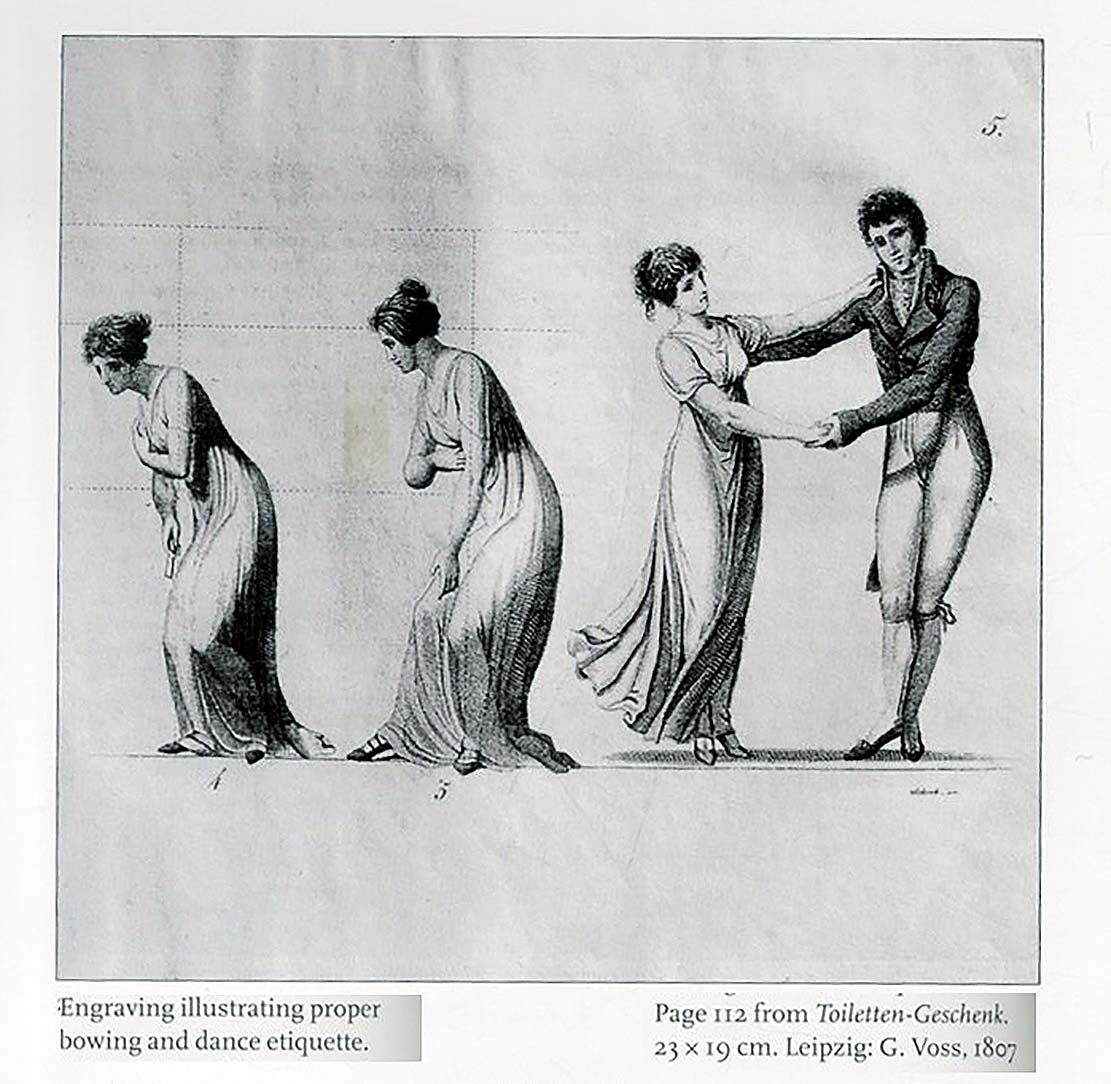 |
deportment and etiquette from TOILETTEN-GESCHENK 1807 |
|
DANCERS OF THE BALLETS RUSSES |
|
THE TIN MAN (and the Cheltenham Sweep) |
| Andry's ORTHOPAEDIA 1743, selected plates |
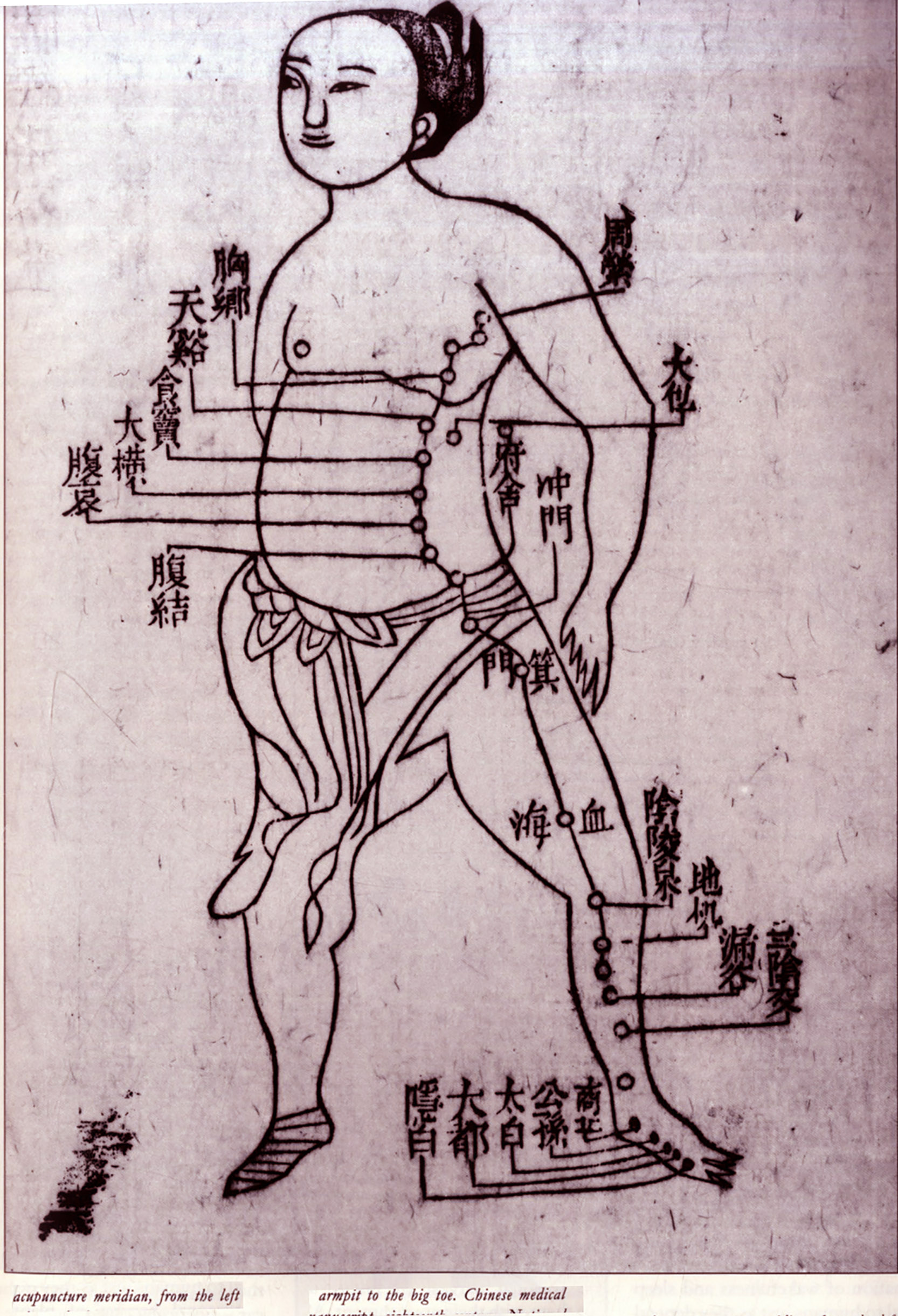 |
ACUPUNTURE MERIDIANS, CHINA |
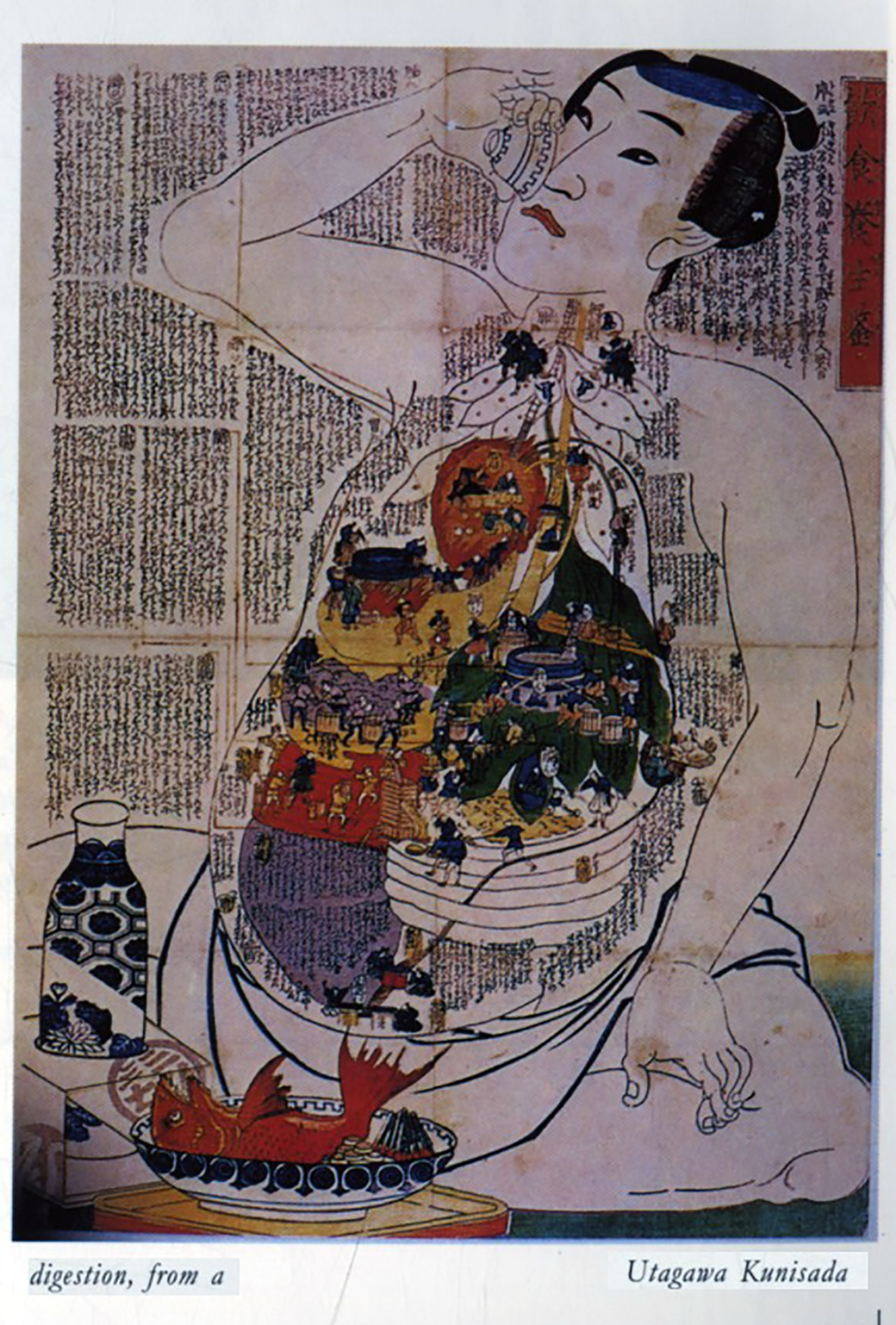 |
KUNISADA'S PRINT OF THE DIGESTIVE SYSTEM |
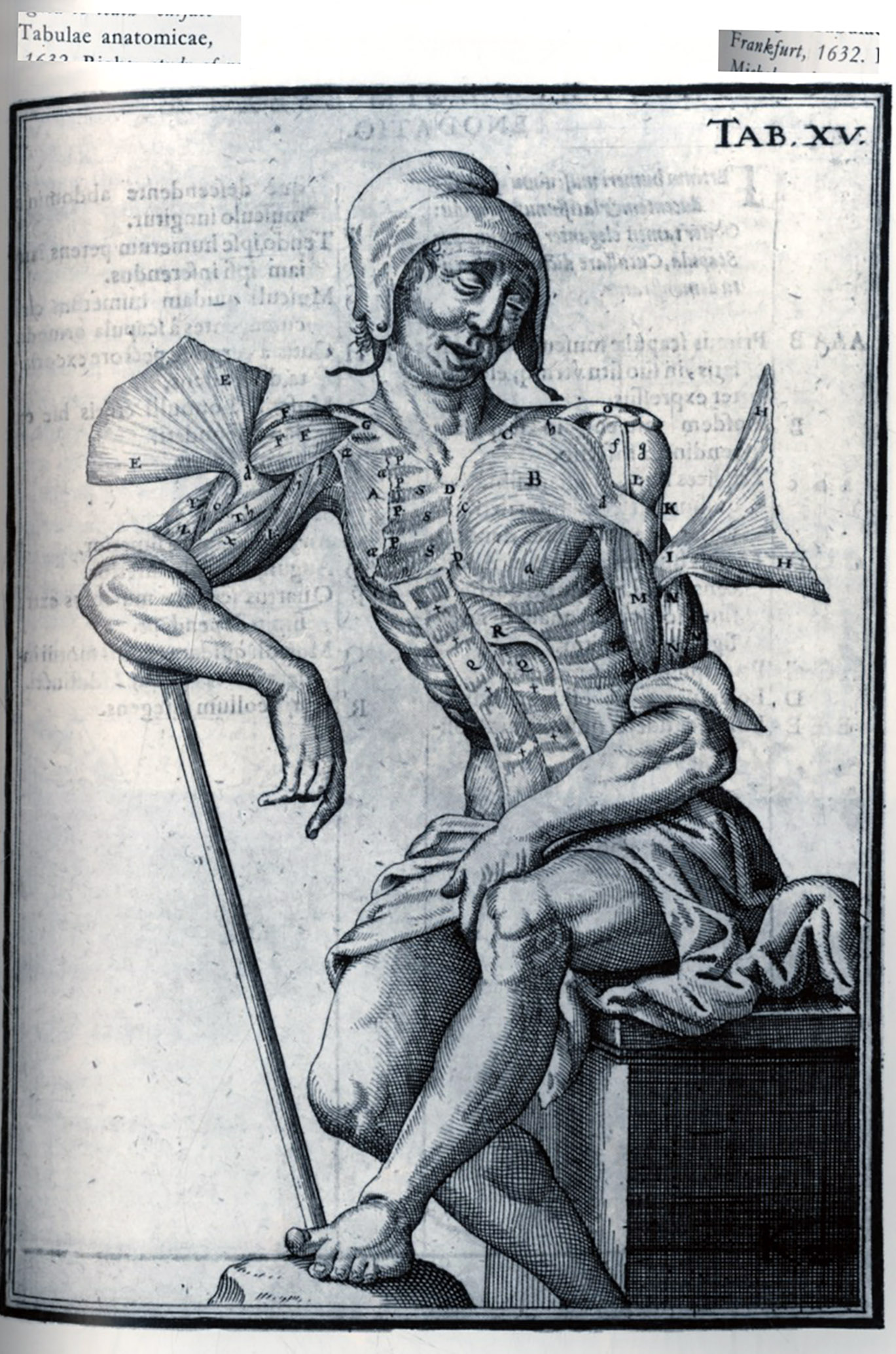 |
FLAYED ANATOMICAL FIGURE FRANKFURT 1632 |
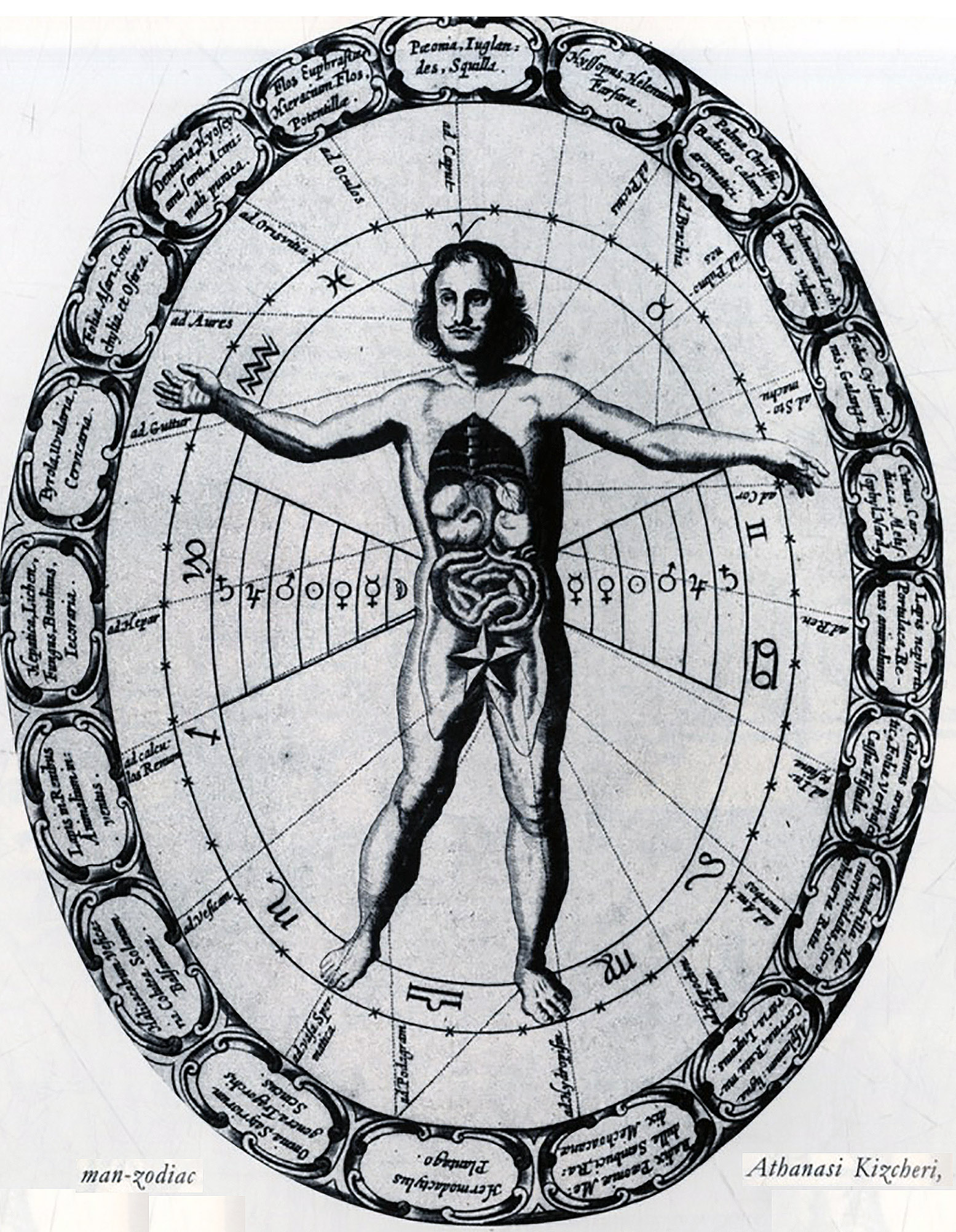 |
KIRCHER'S ZODIACAL MAN |
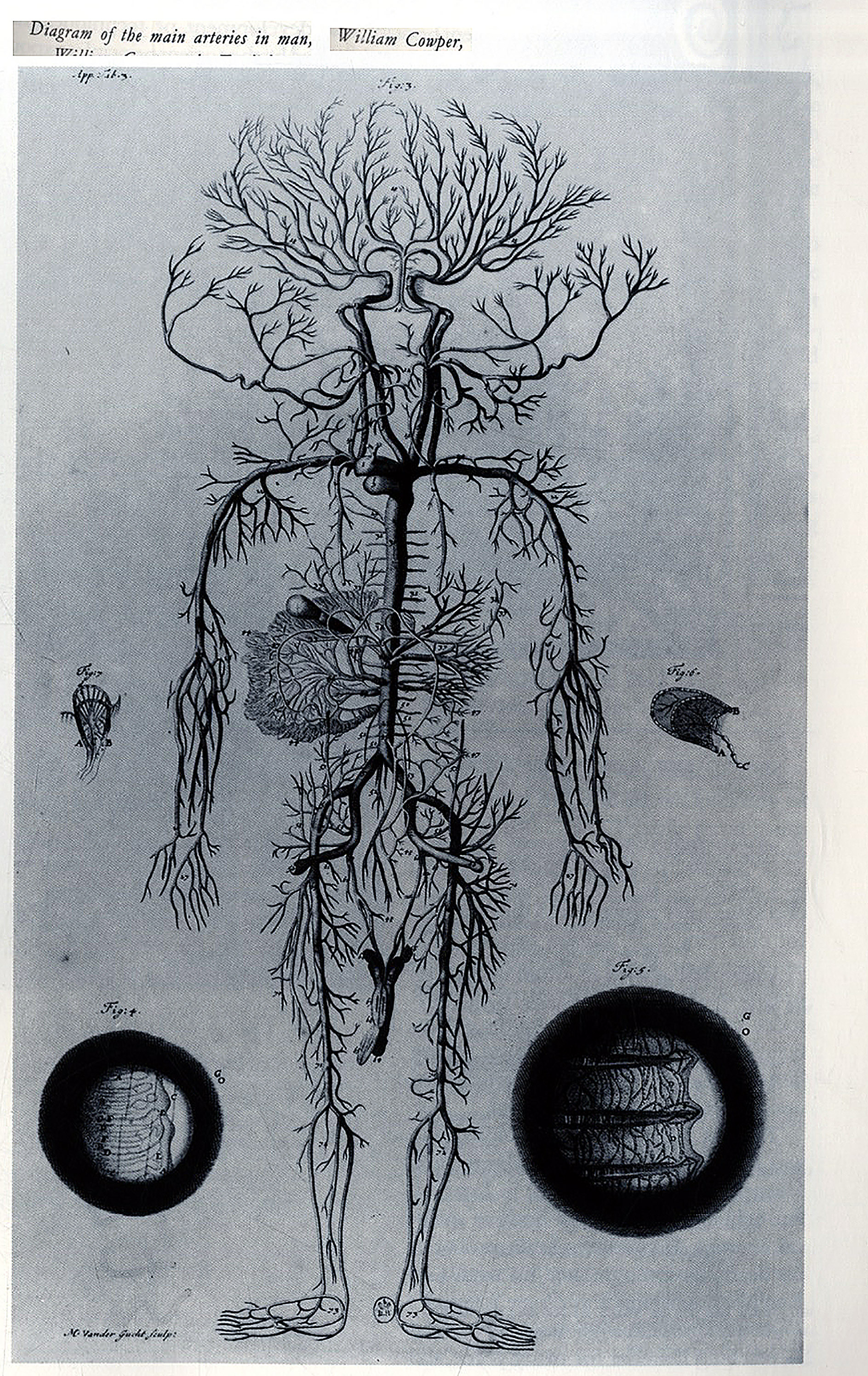 |
WILLIAM COWPER'S DIAGRAMS OF THE MAIN ARTERIES |
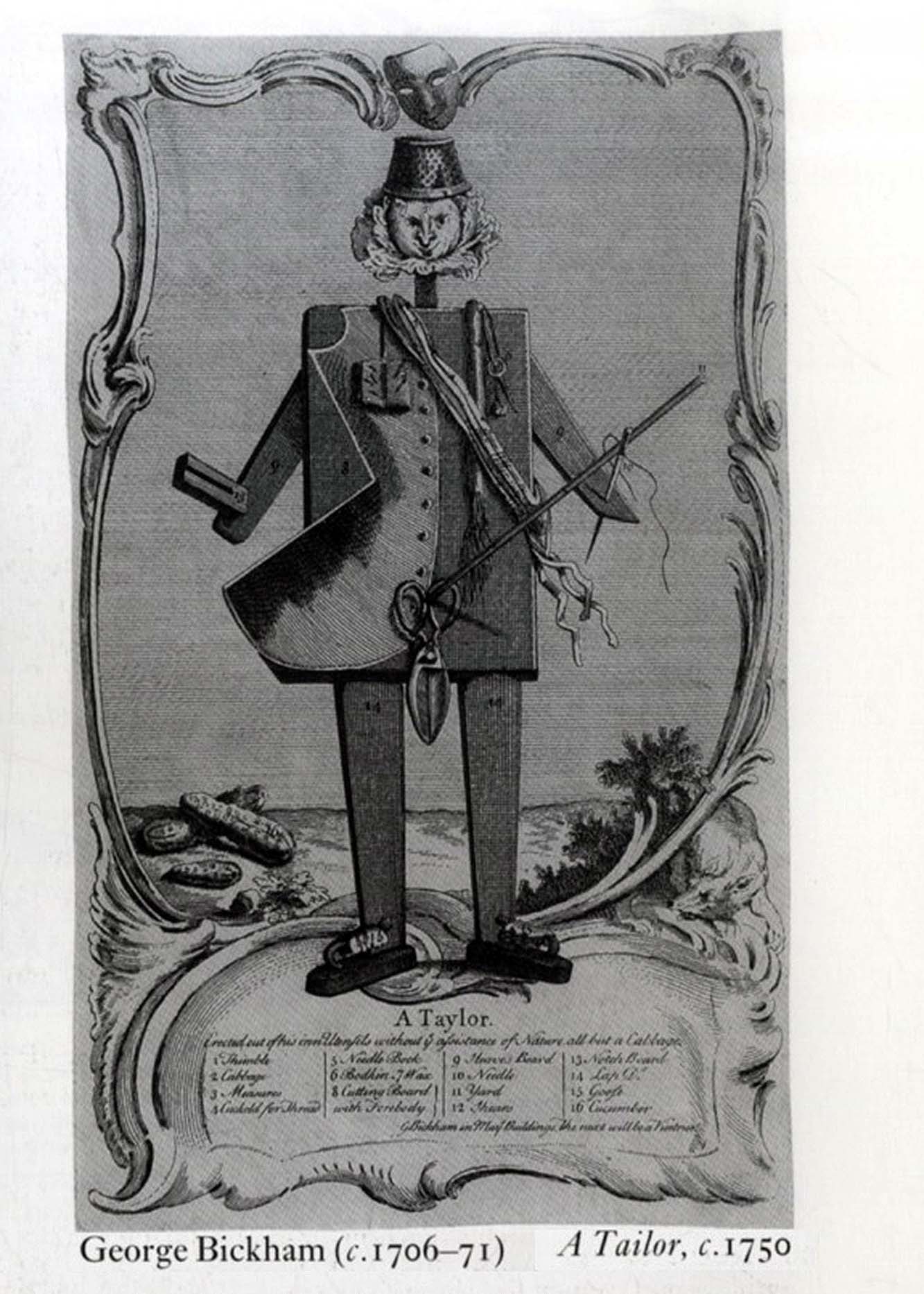 |
THE TAILOR, by George Bickham , made of the trade , |
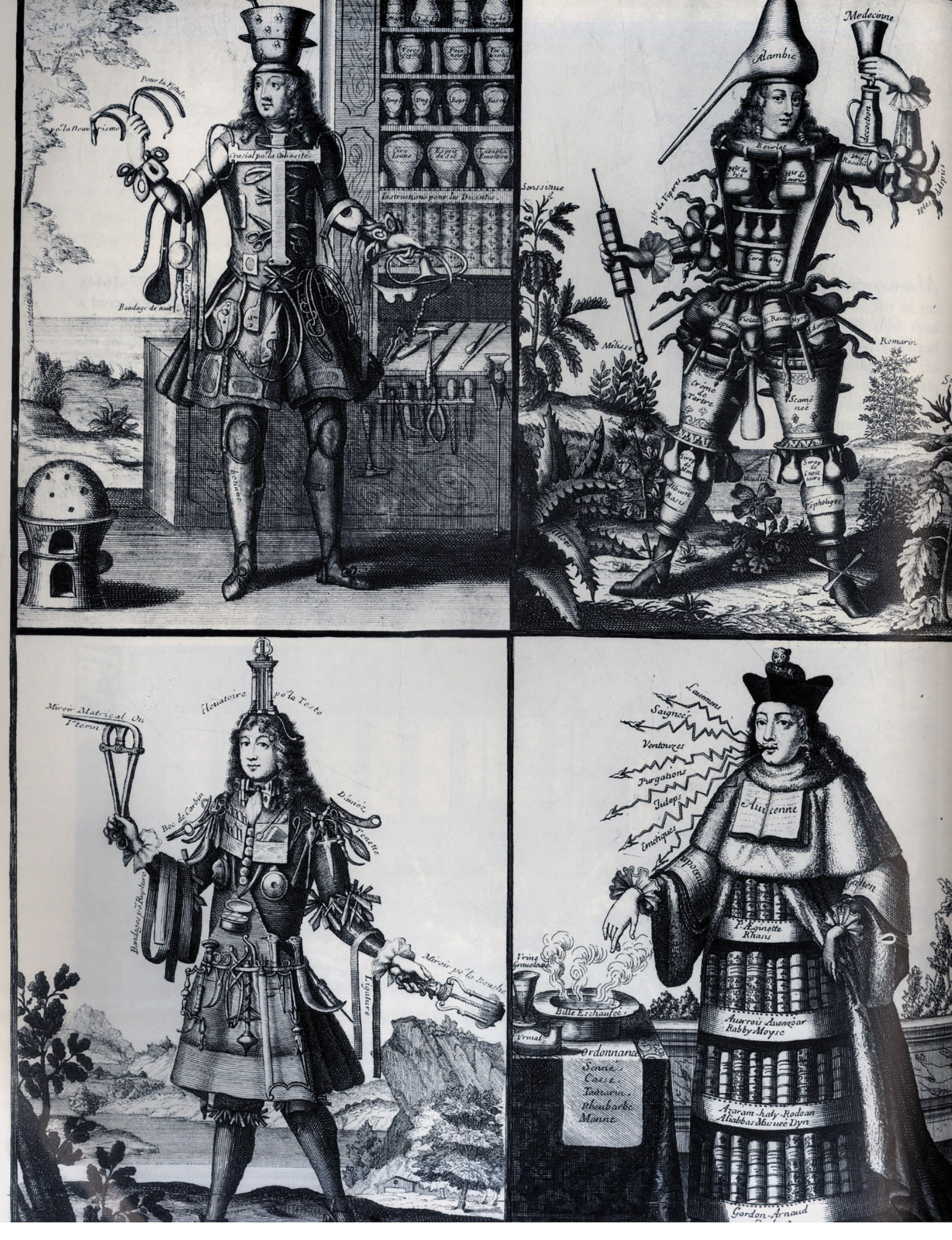 |
FOUR FIGURES SHOWING THE ICONS OF THEIR TRADE |
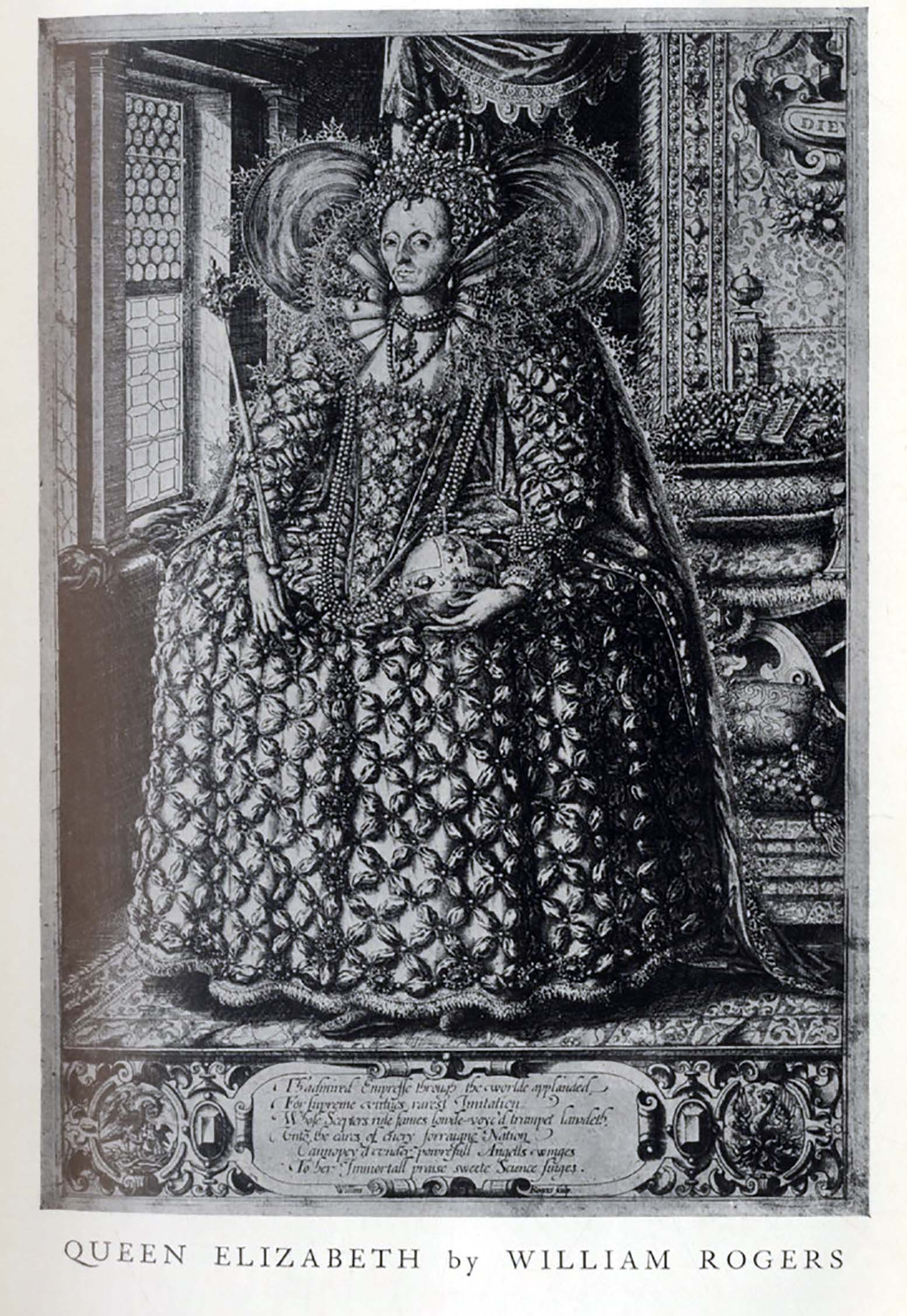 |
PORTRAIT OF QUEEN ELIZABETH I , by William Rogers in huge overdress, jewels, and extensions |
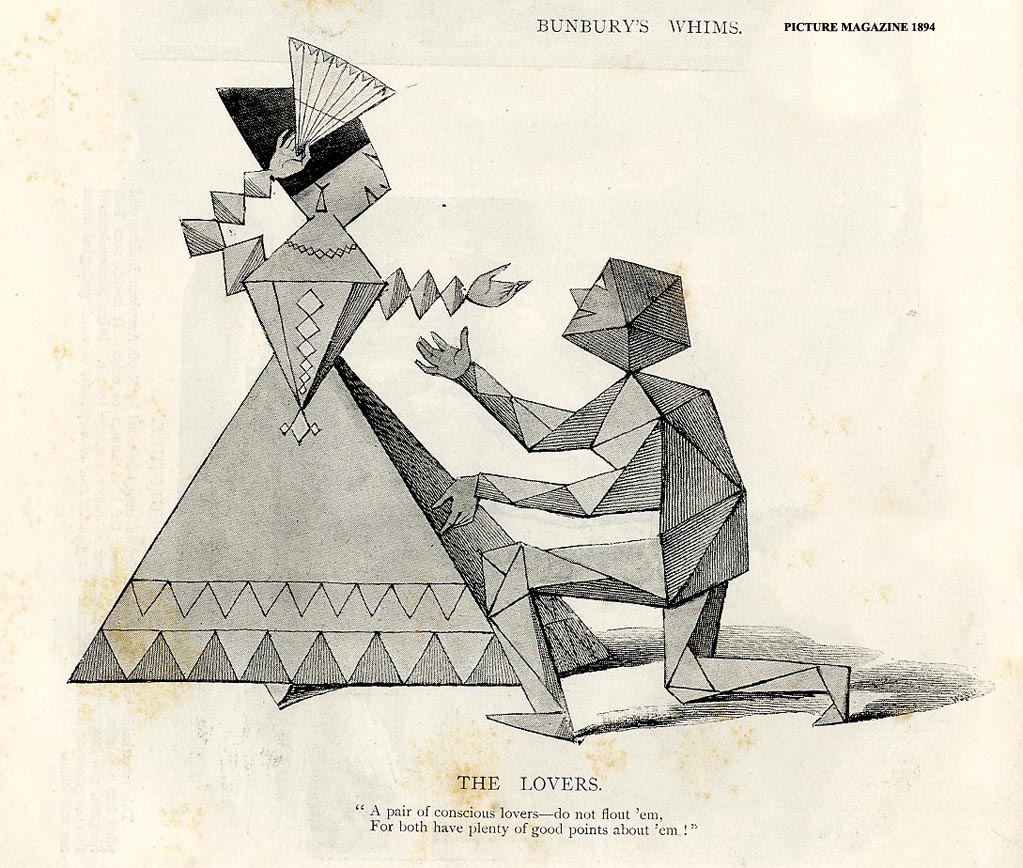
| THE LOVERS, MANY GOOD POINTS 1894 | |
 |
Petitot, Masquerade a la Grecque, Parma, 1771 |
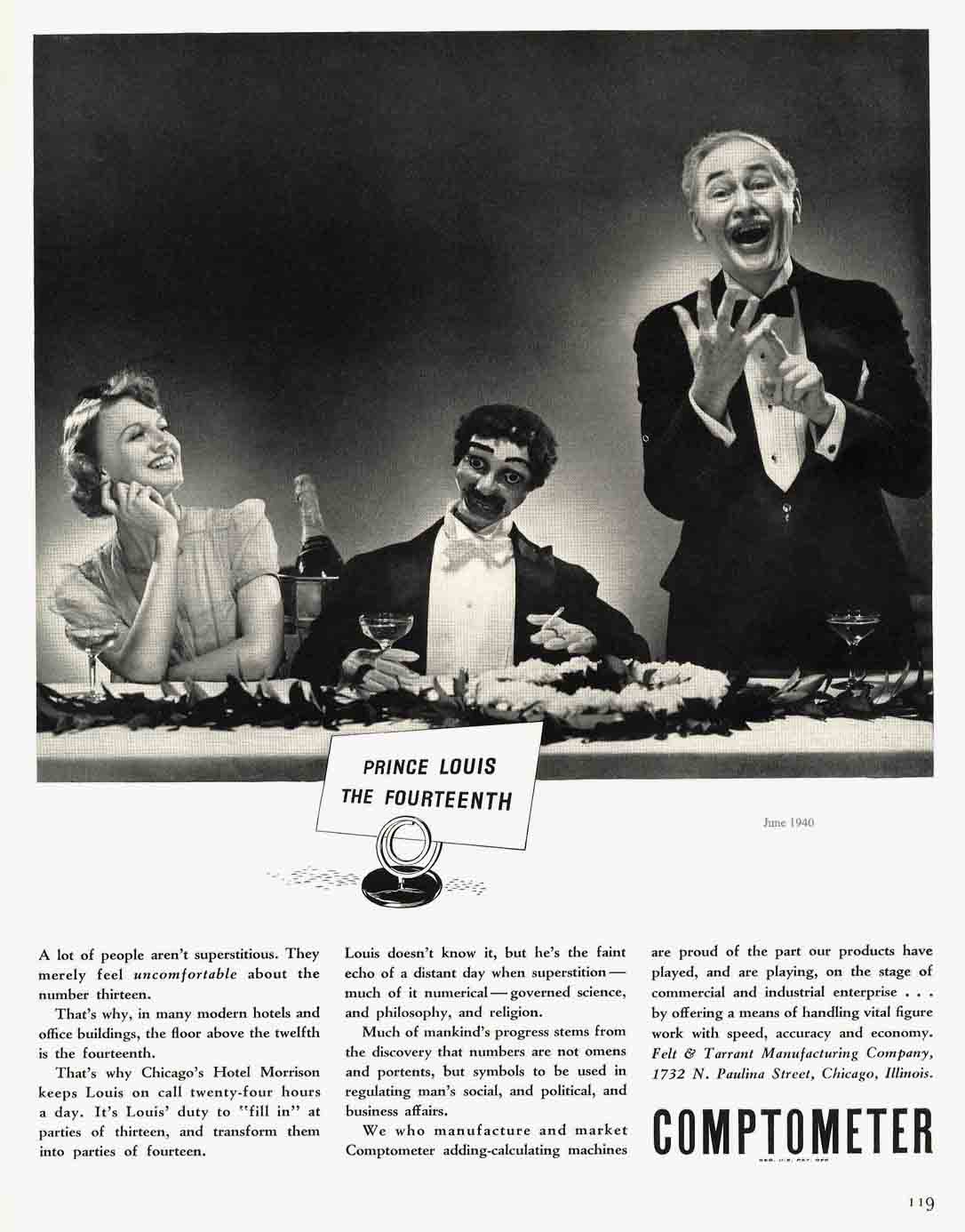 |
A FAKE GUEST, avoiding 13 at a table |
 |
Men
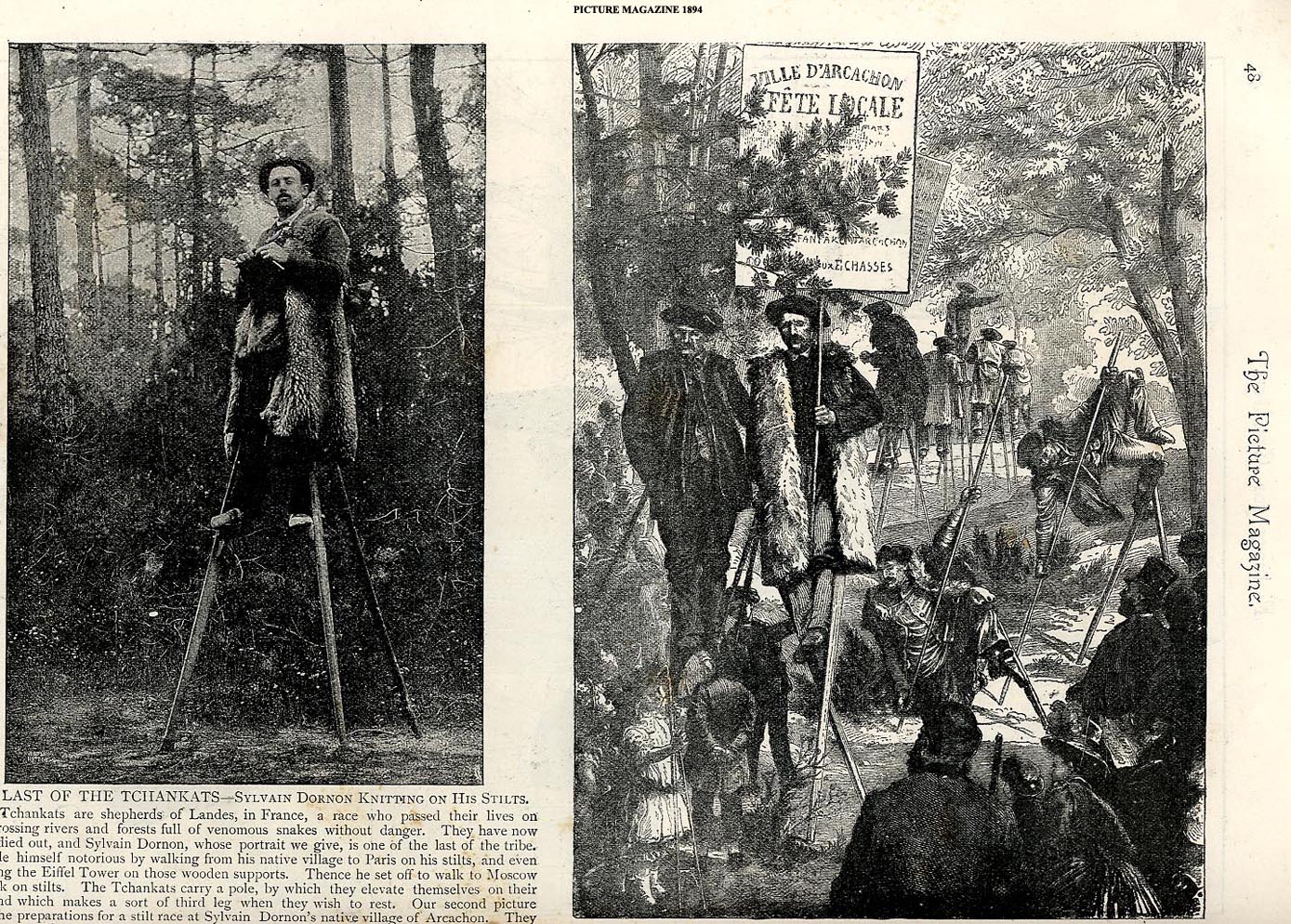
Stilts (knitting) 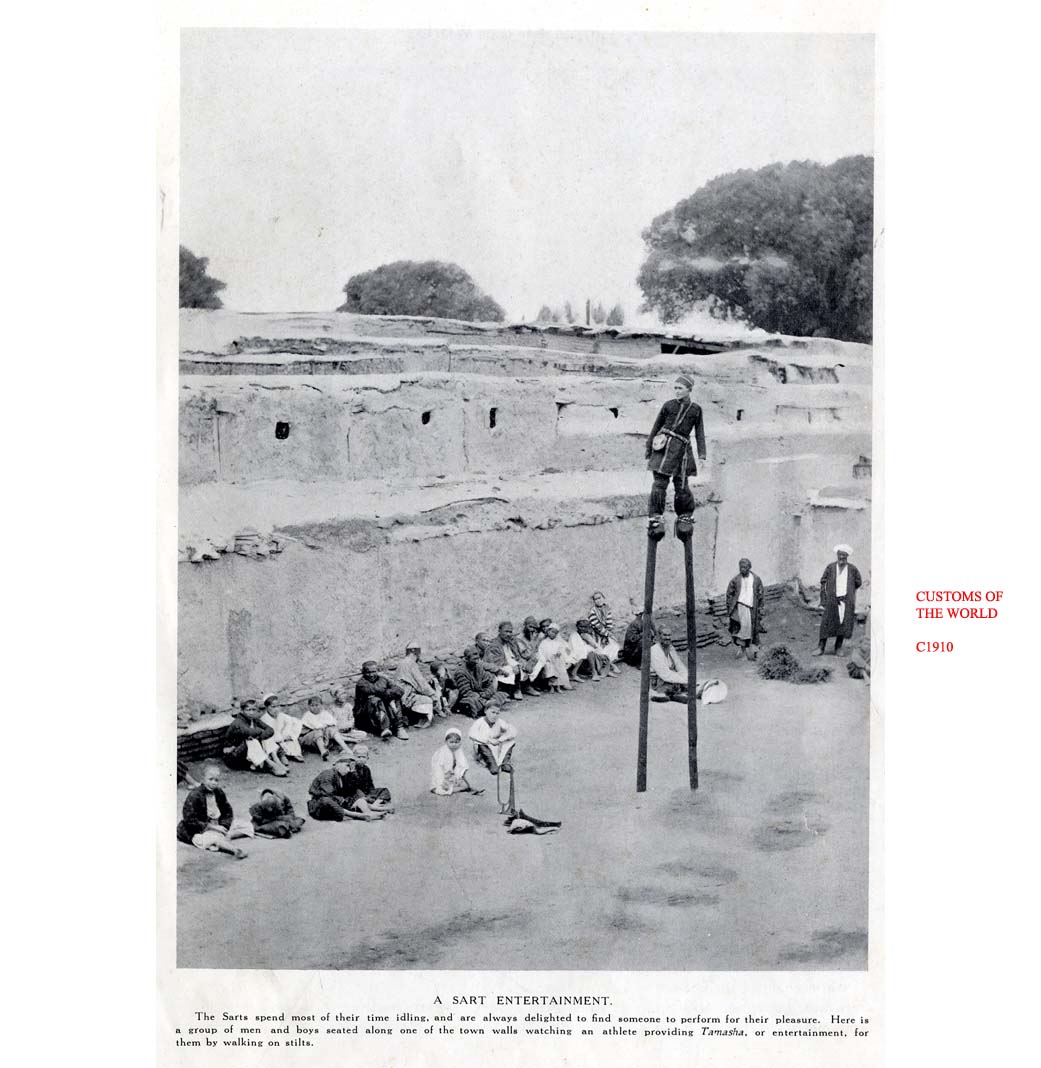 Sart
Entertainment (Stilts) Sart
Entertainment (Stilts) |
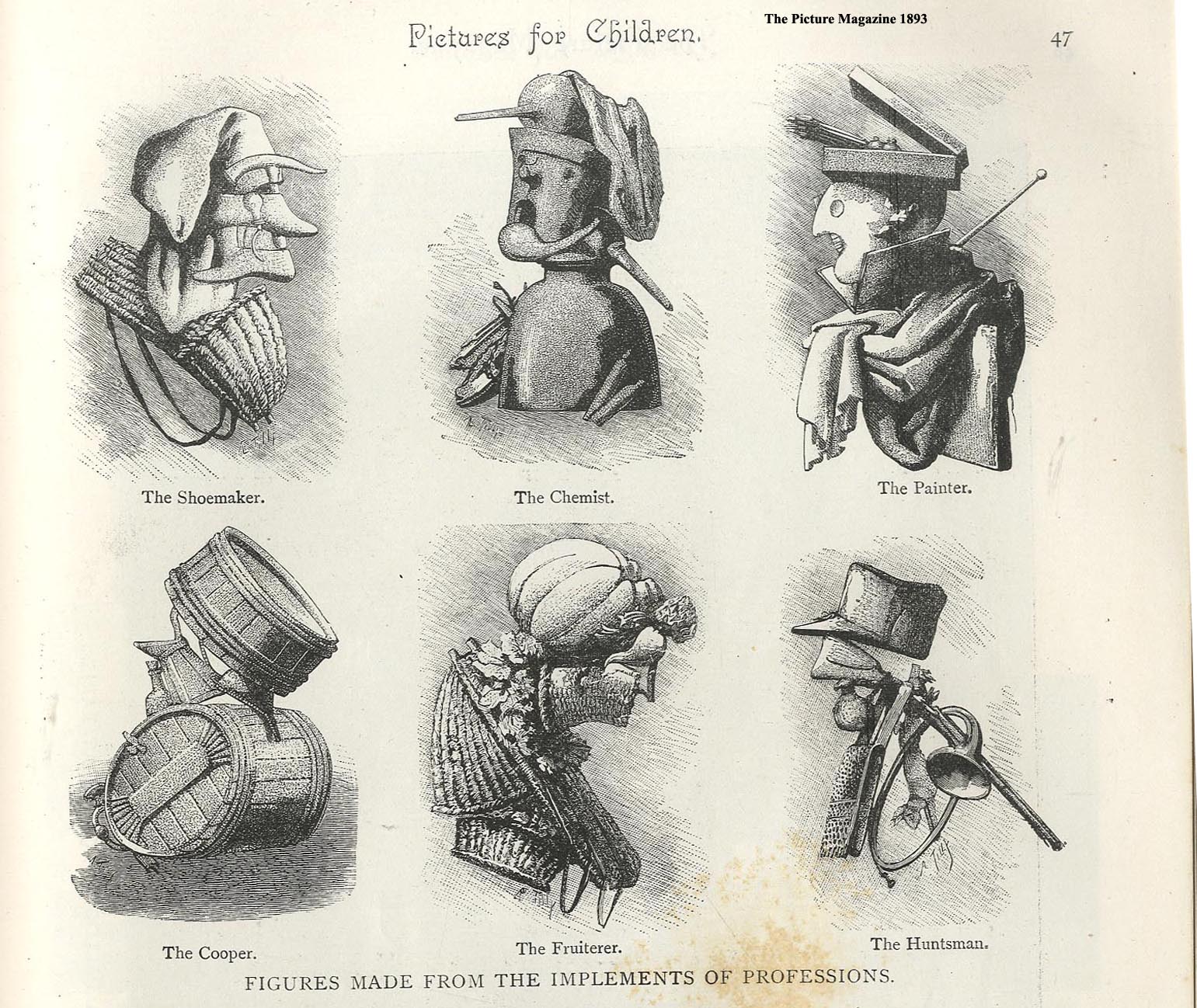 |
Figures made from implements 1896 |
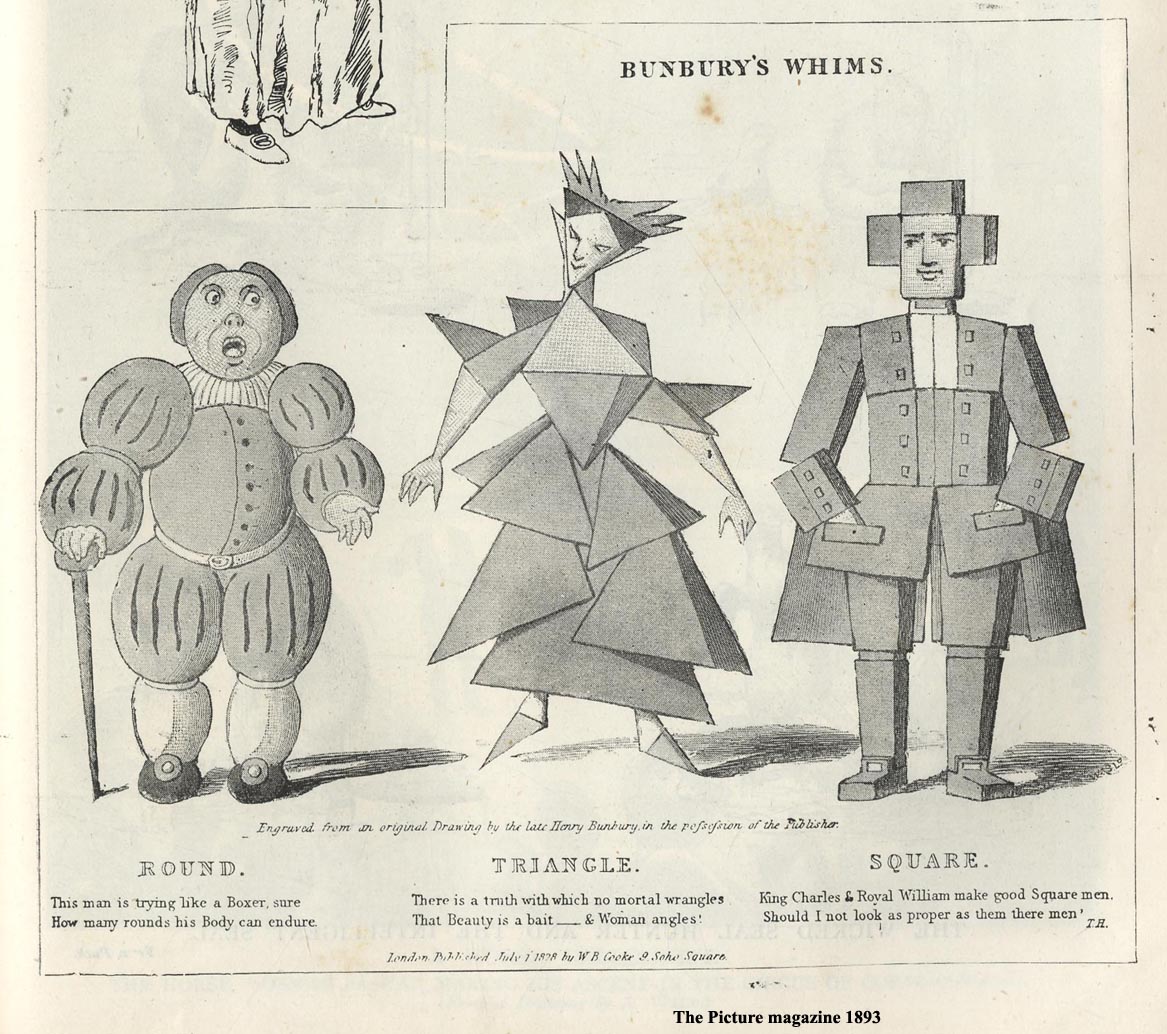 |
Bunbury's Whims (Square, Round, Triangle) |
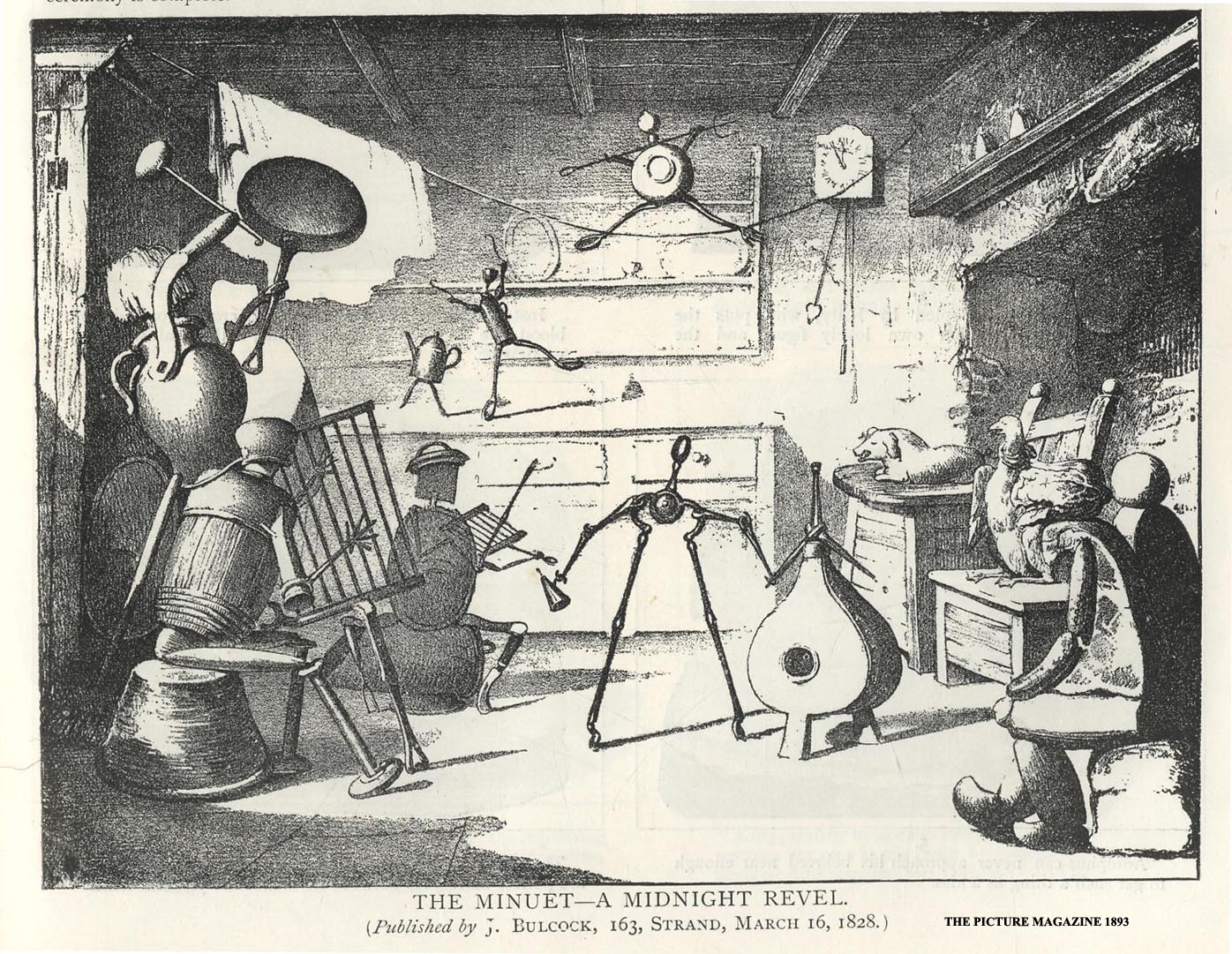 |
The Minuet, a Midnight Revel (dancing objects 1828) |
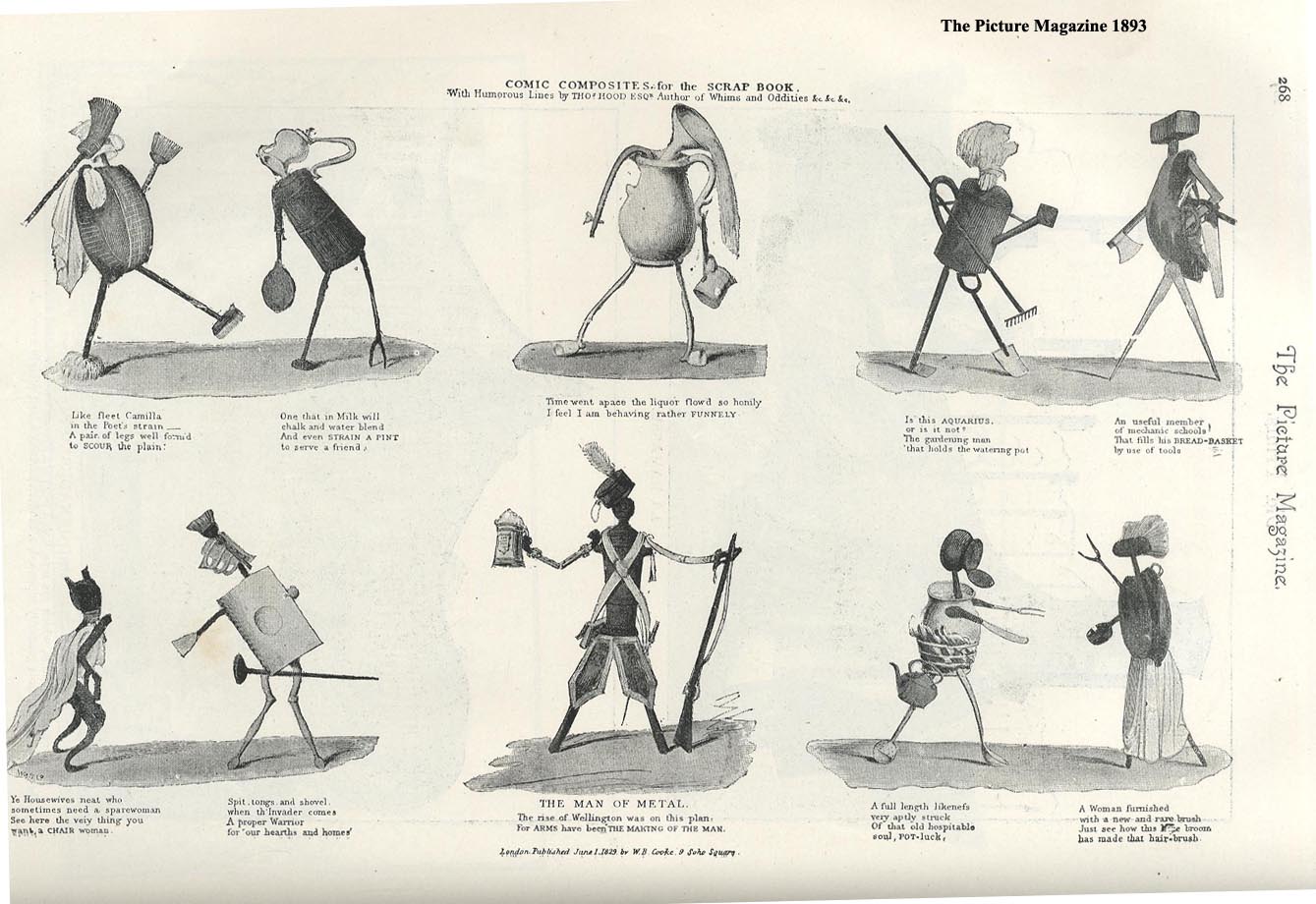 |
Comic Composites for the scrap book 1829 |
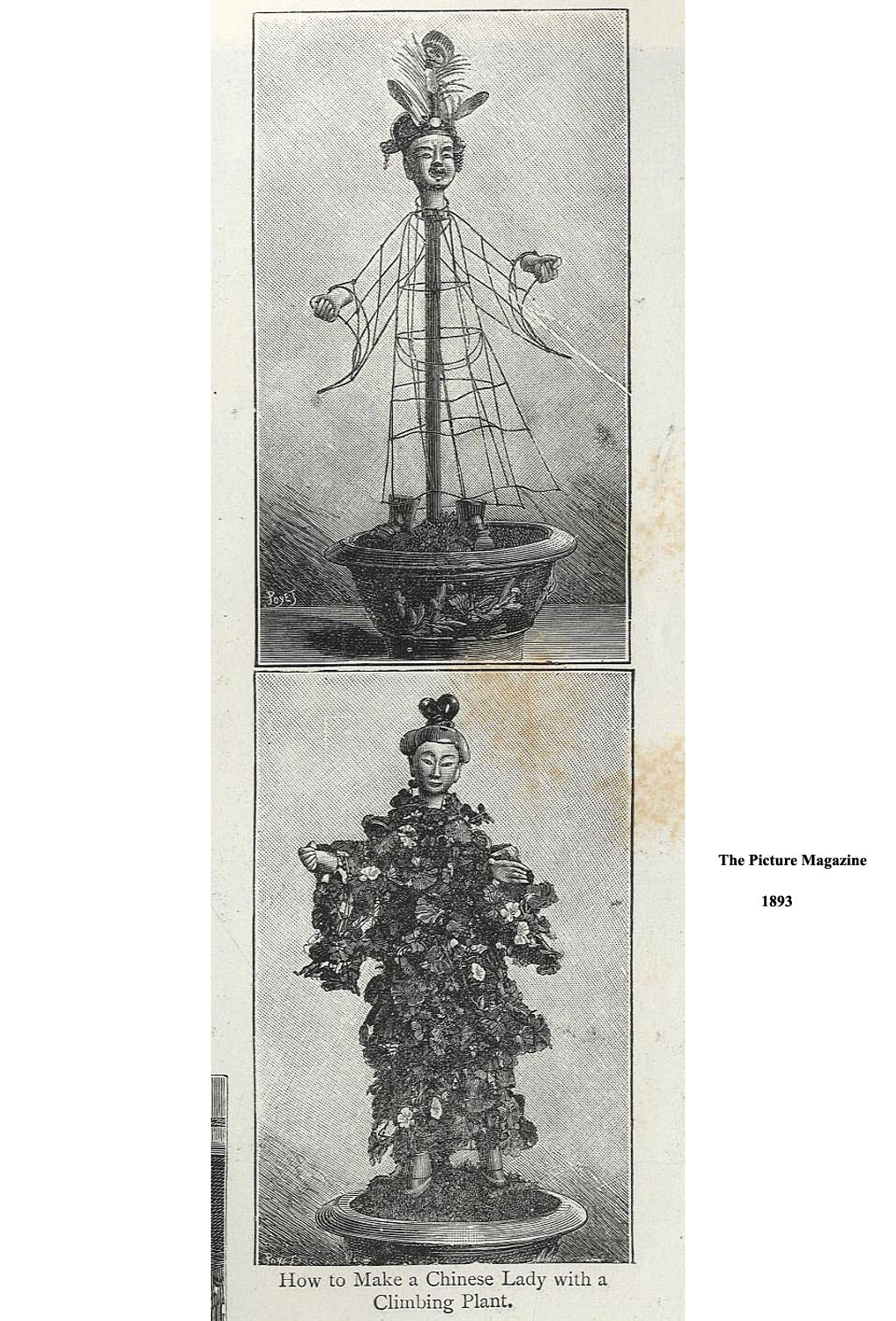 |
A Chinese Lady from a climbing Plant (1896) |
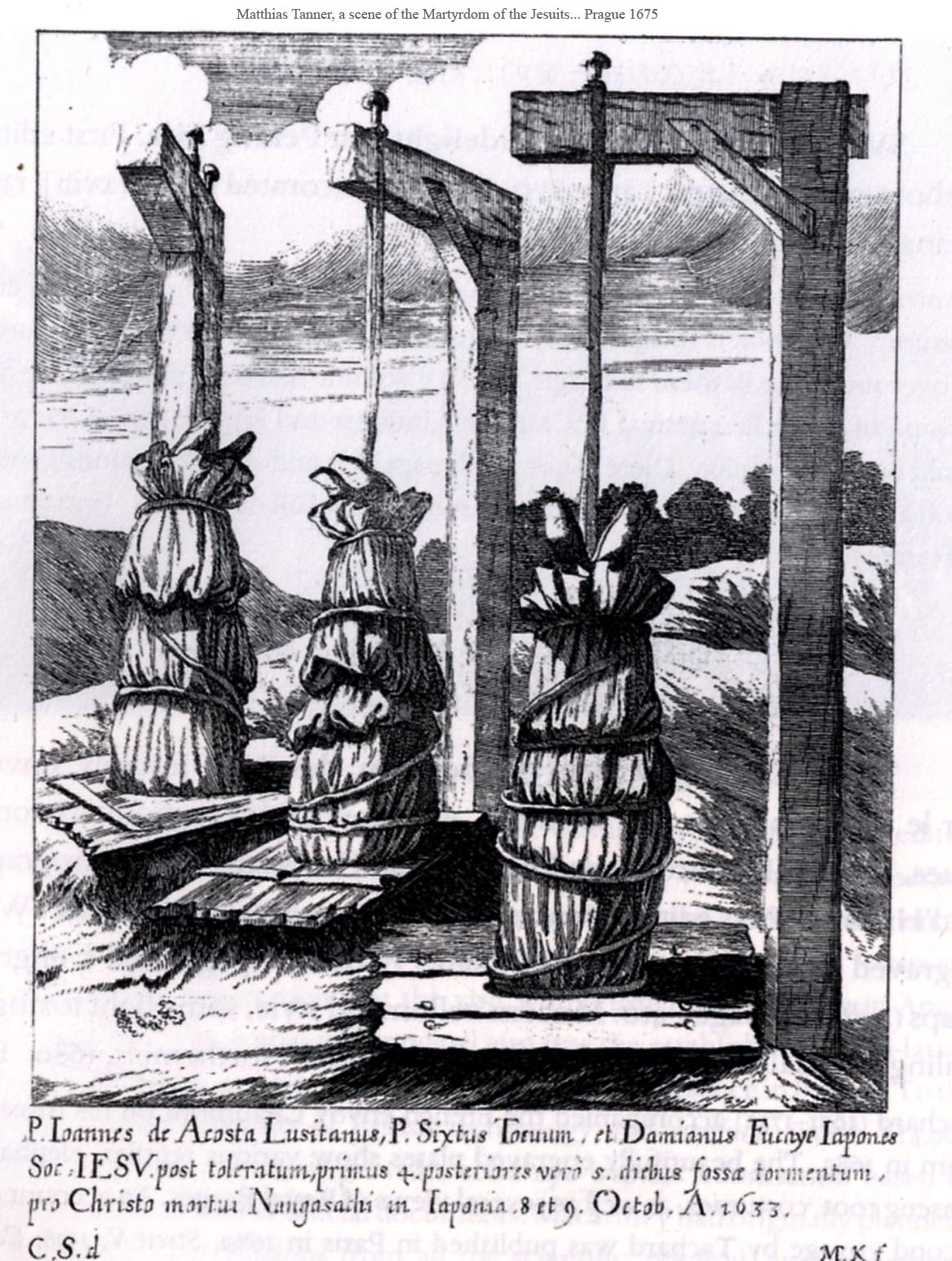 |
Three Jesuit Martyrs 1675 Matthias Tanner |
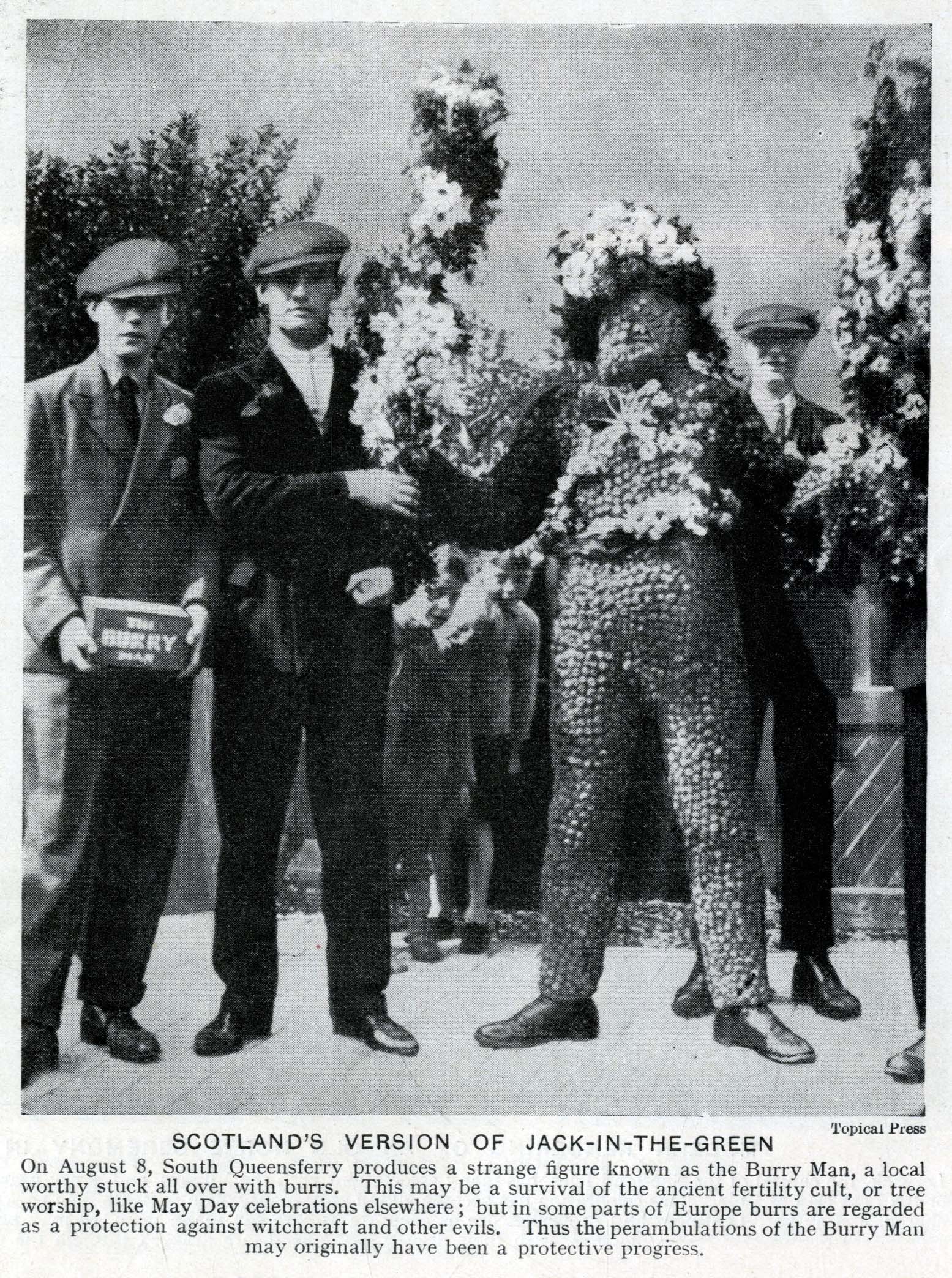 |
The Burry Man c1935 |
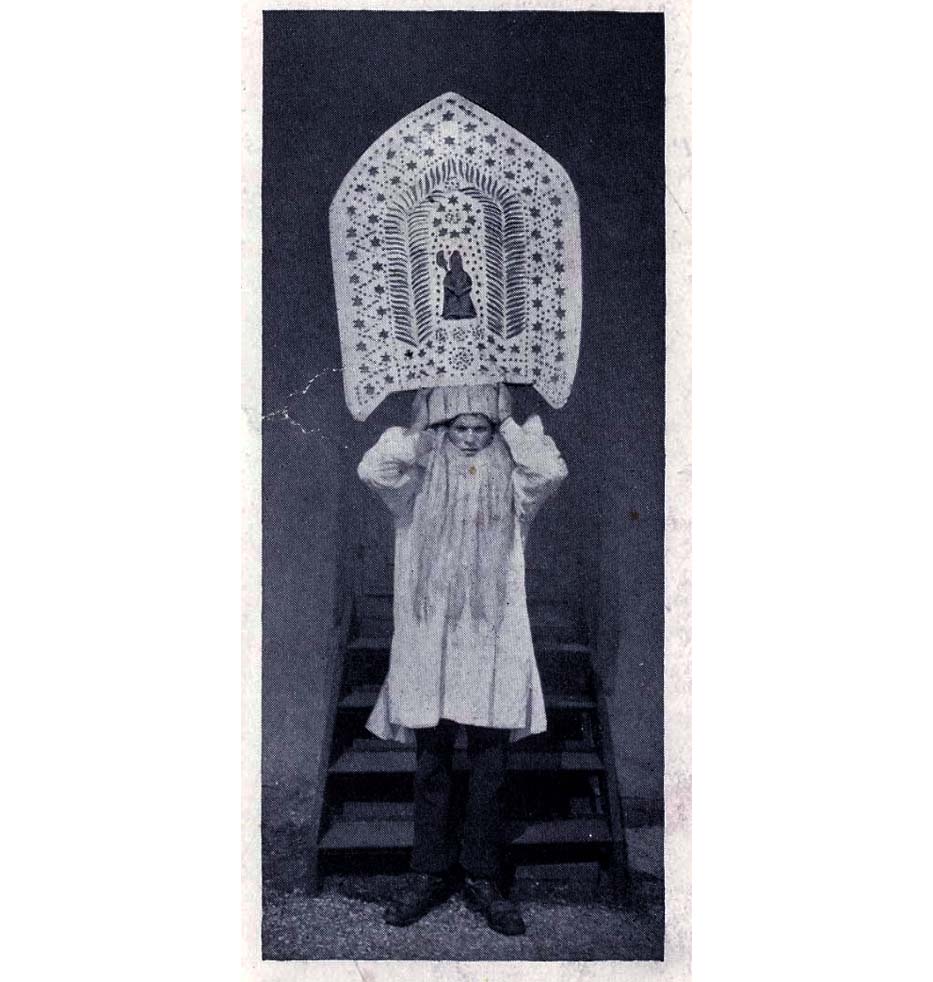 |
Man with Huge Religious Hat (Customs of the World) |
 |
Man hit by Lightning - what's left |
|
Animals as Furniture |
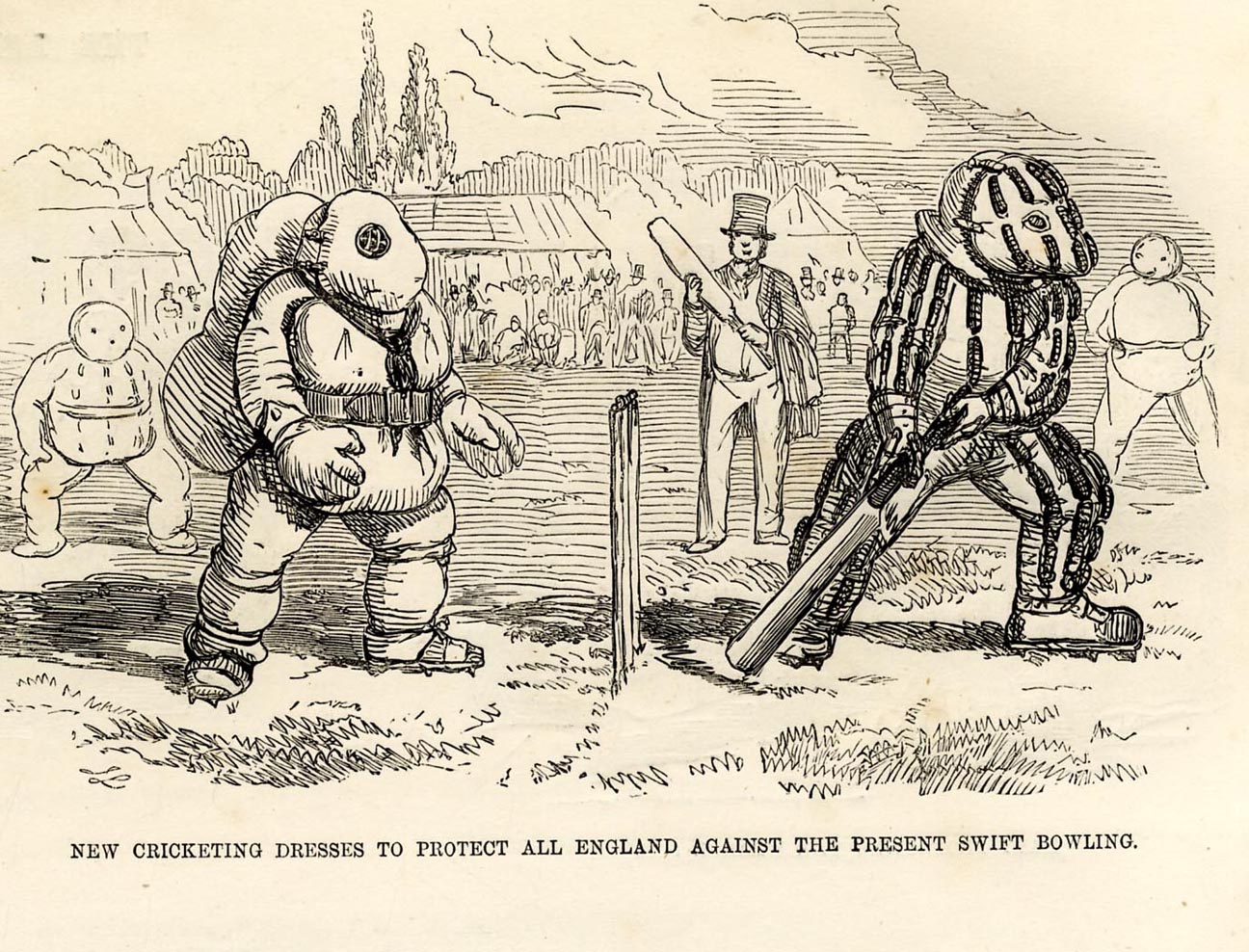 |
John Leech's cricketing figures |
|
Robots |
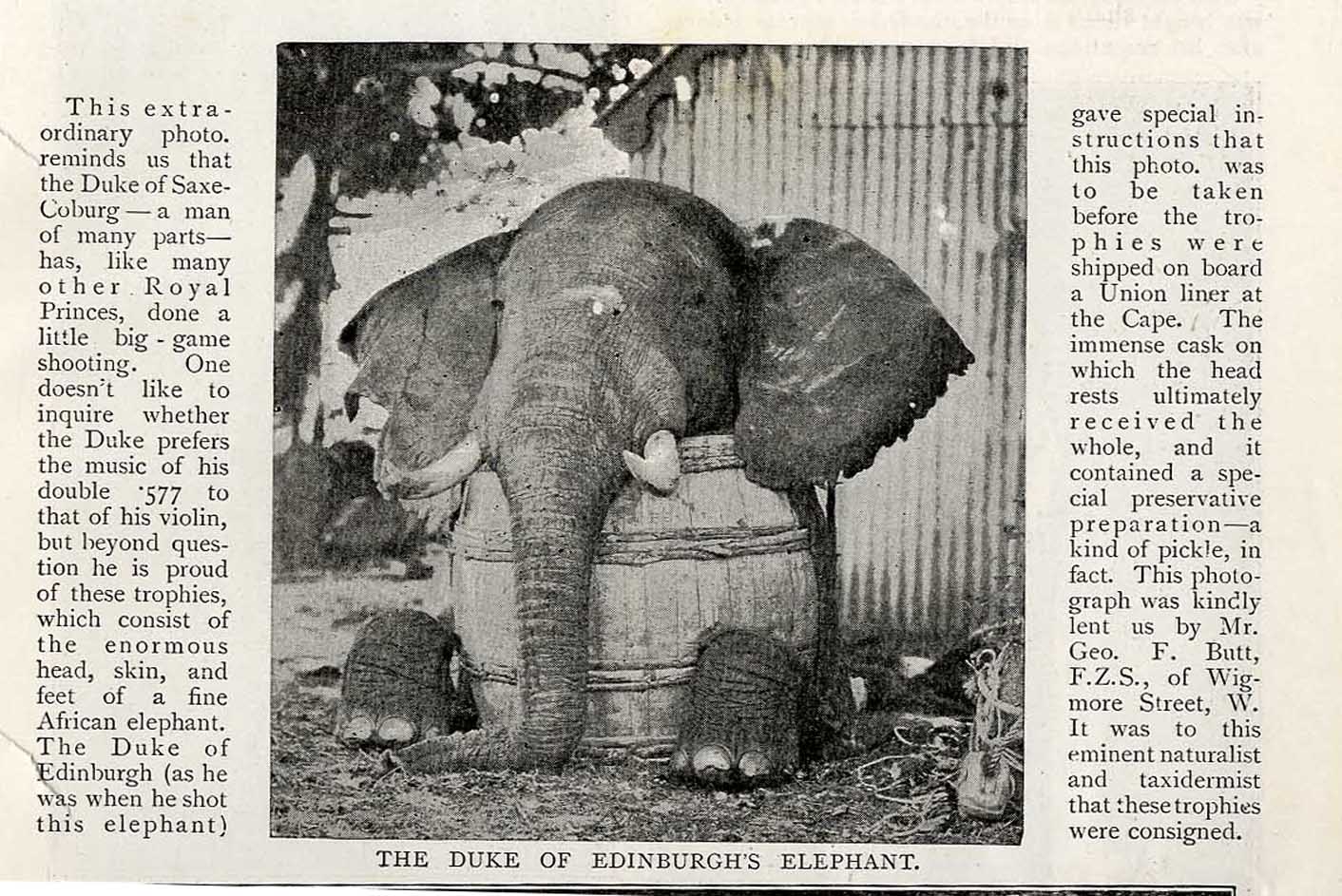 |
AN ELEPHANT TRUNCATED, the Duke of Edinburgh |
 |
A MONUMENT TO FIFTEEN MINUTES 1950 |
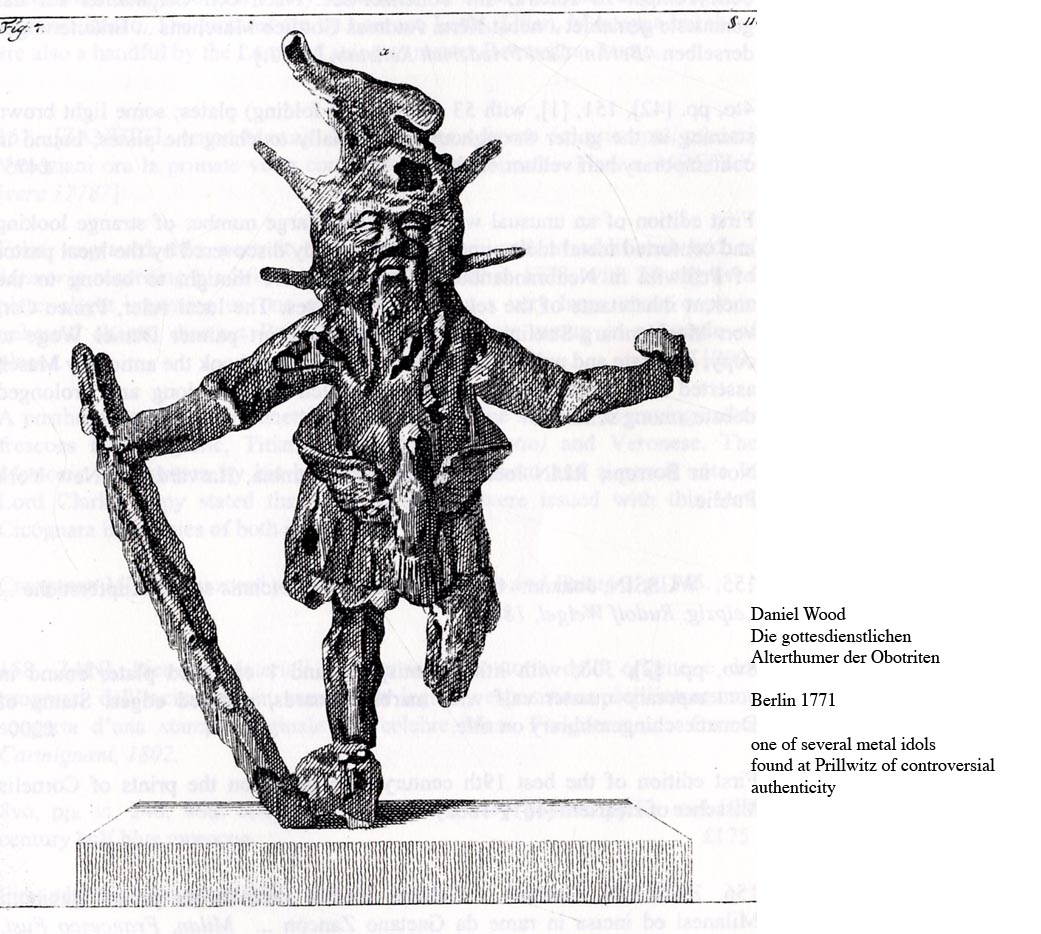 |
Metal Idol found at Prillwitz 1771 |
SINGLES
two
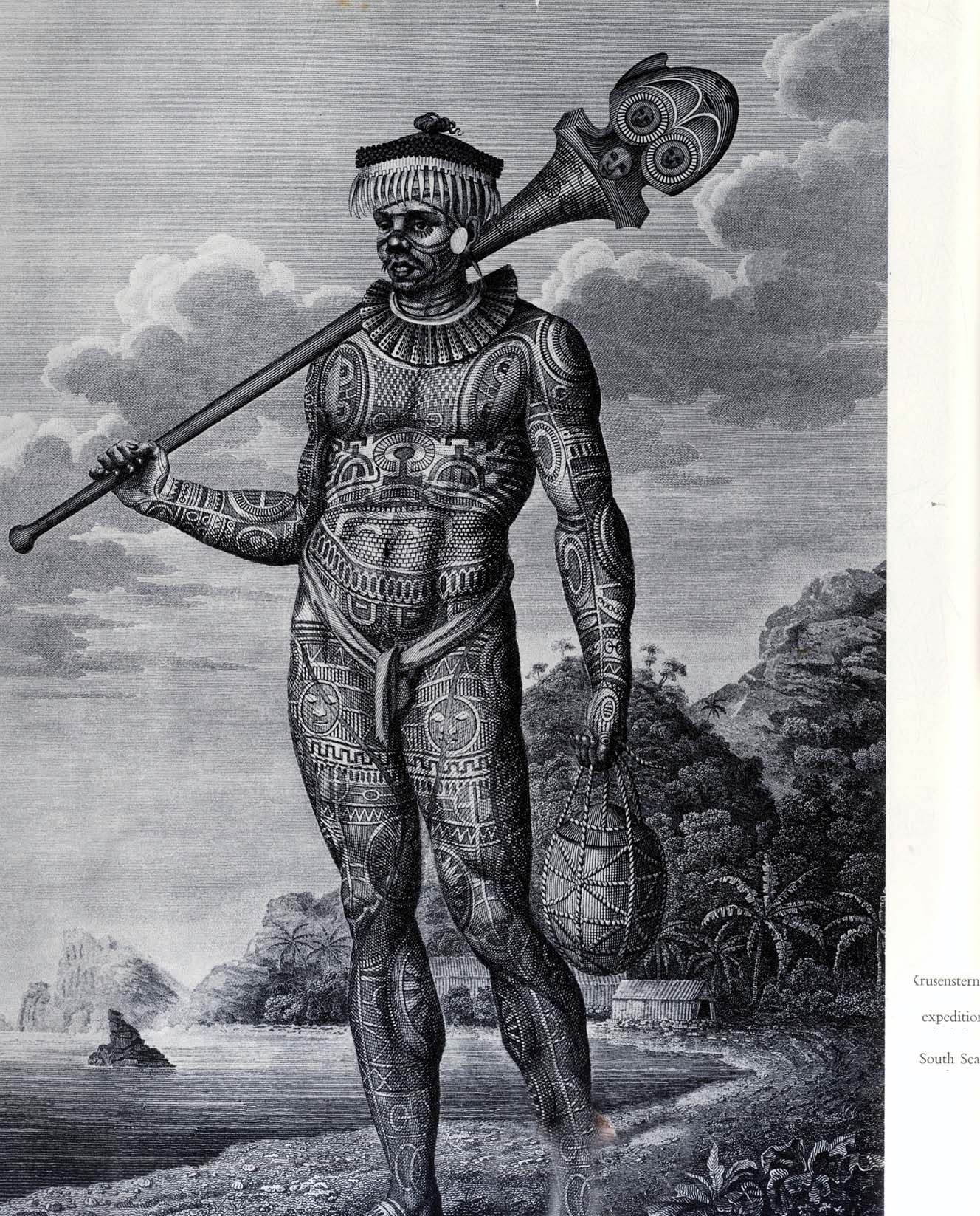 |
TATTOOED WARRIOR IN THE SOUTH SEAS, from Crusenstern |
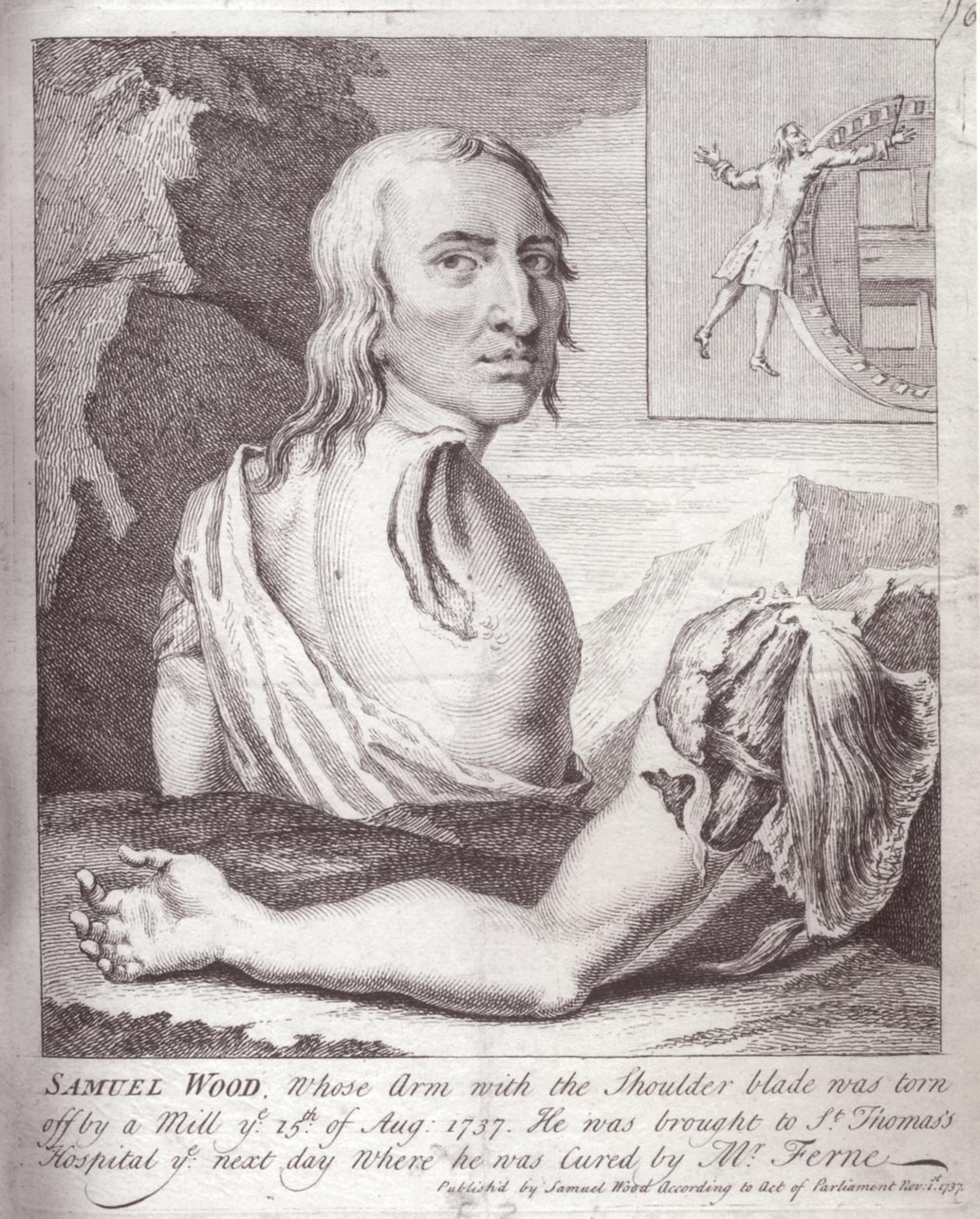 |
Samuel Wood and his severed arm 1727 |
| Giovanni Braccelli, Bizarre Figures, engraving 1624 | |
 |
Florence Upton, The Vege-Men's revenge 1897 |
 |
Bird Cage Man, London Cries c 1860 |
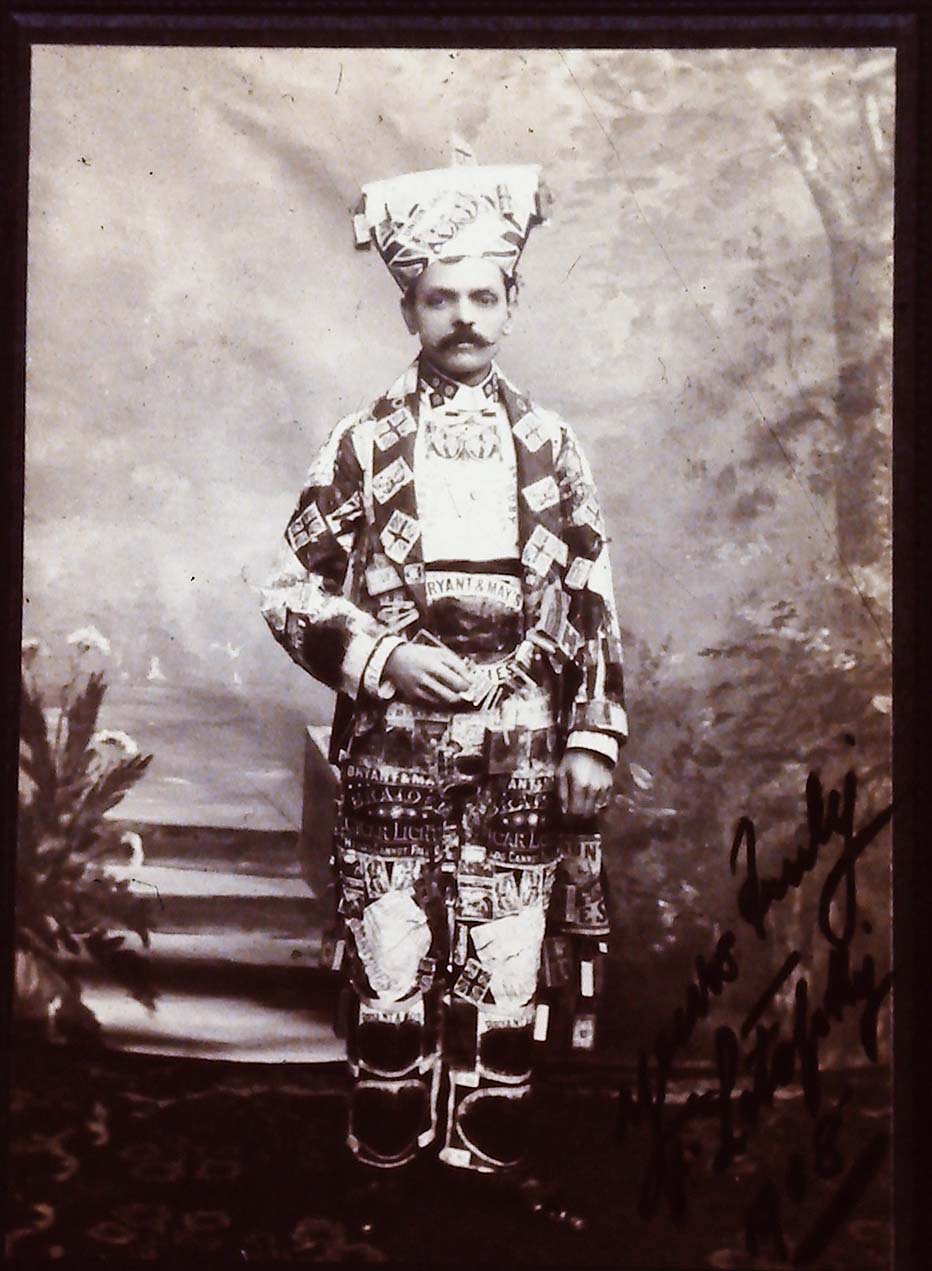 |
A Man dressed in Matchboxes, Bryant and May c1900 |
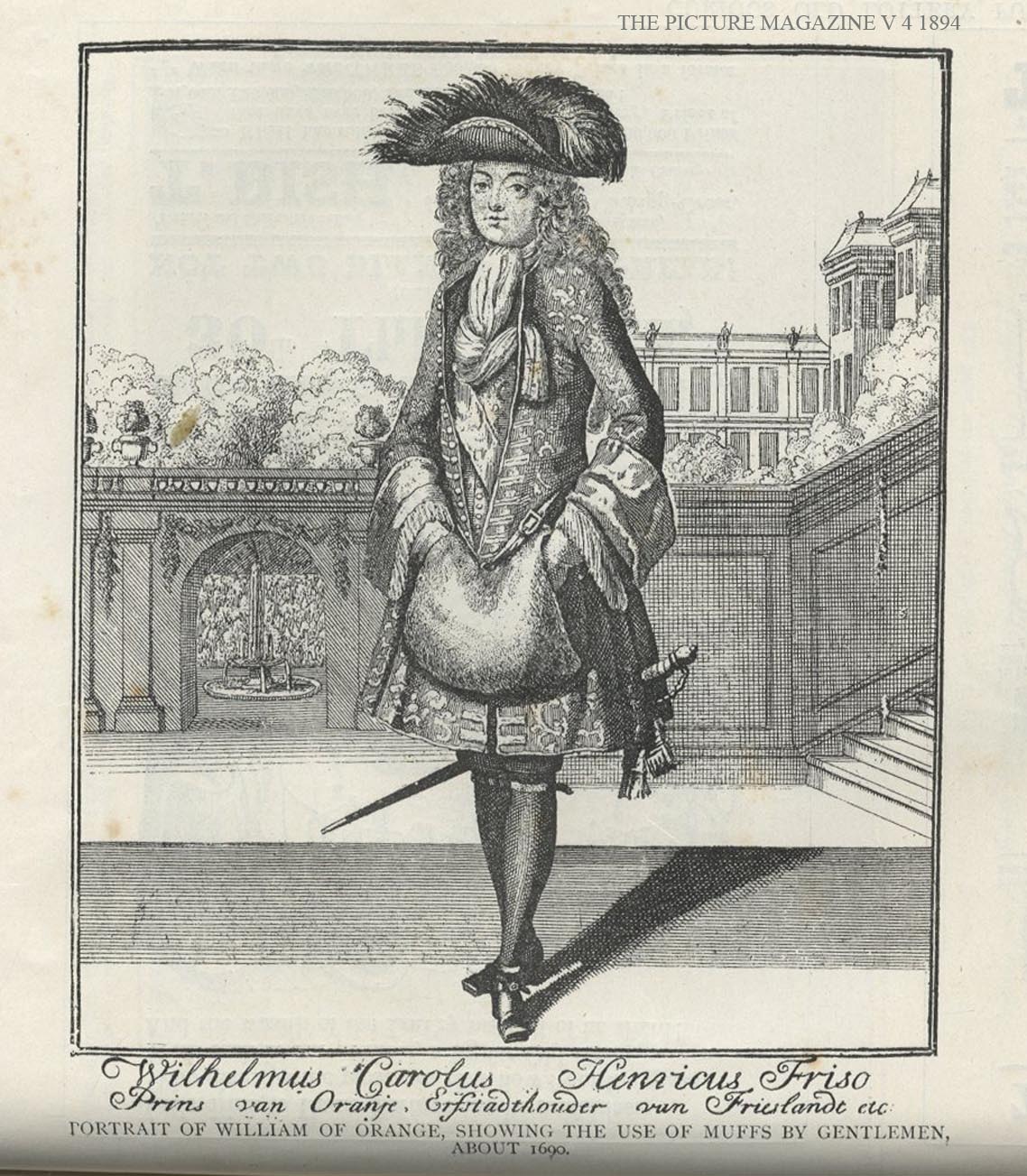 |
Man with Muff (William of Orange) 1690 |
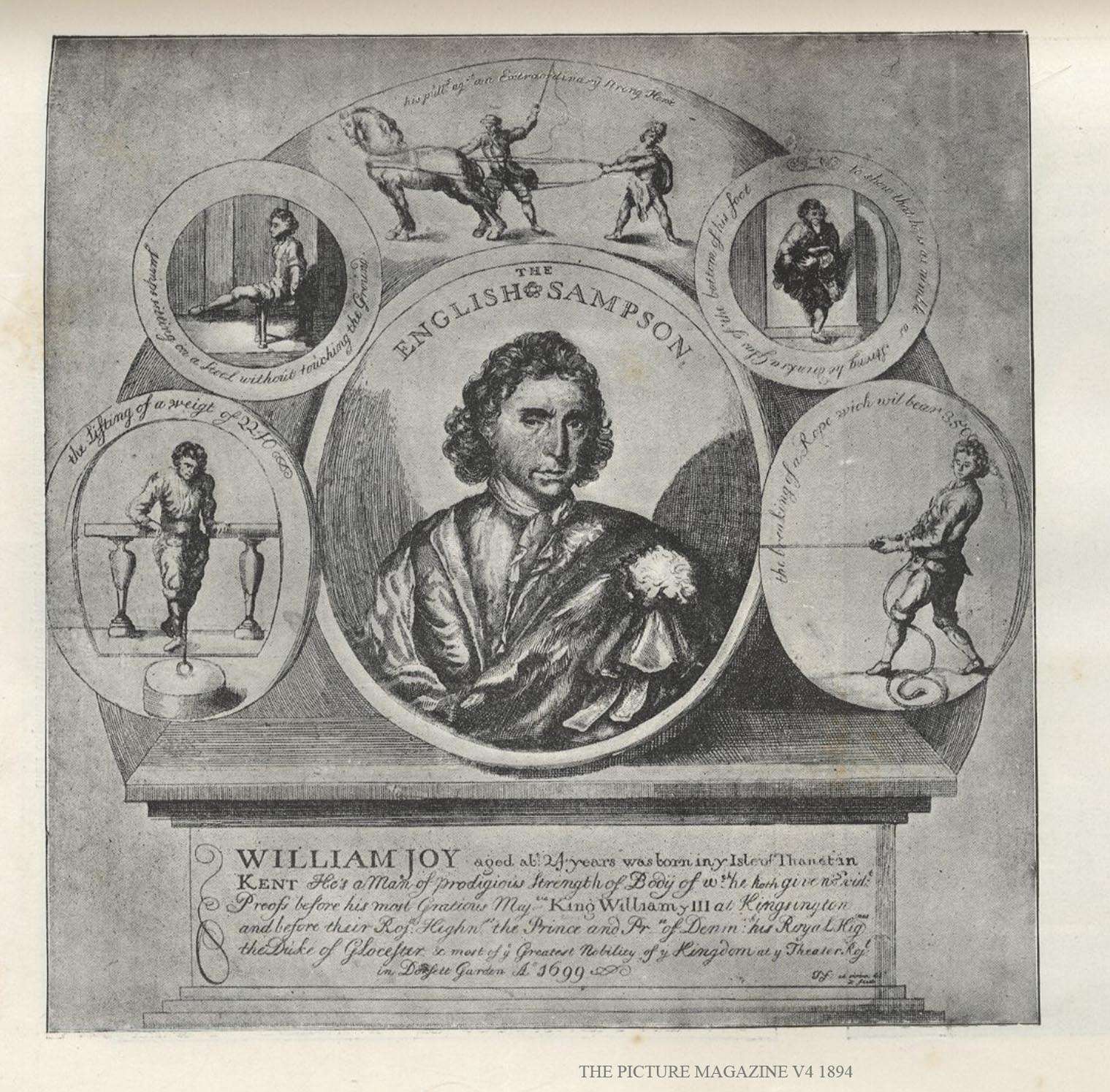
| English Sampson in roundels, 1699 | |
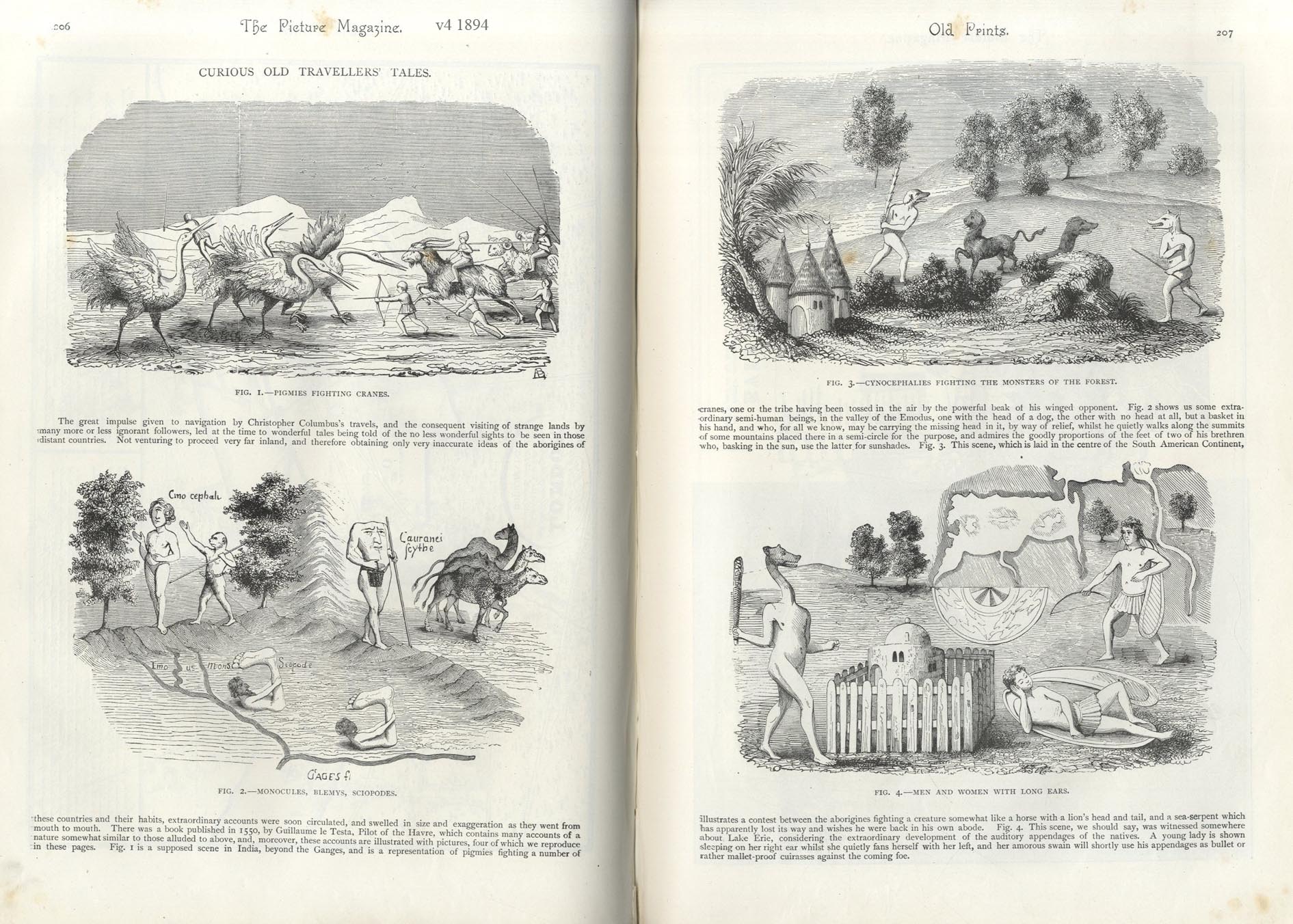 |
Curious Old Travellers' tales, reported monsters |
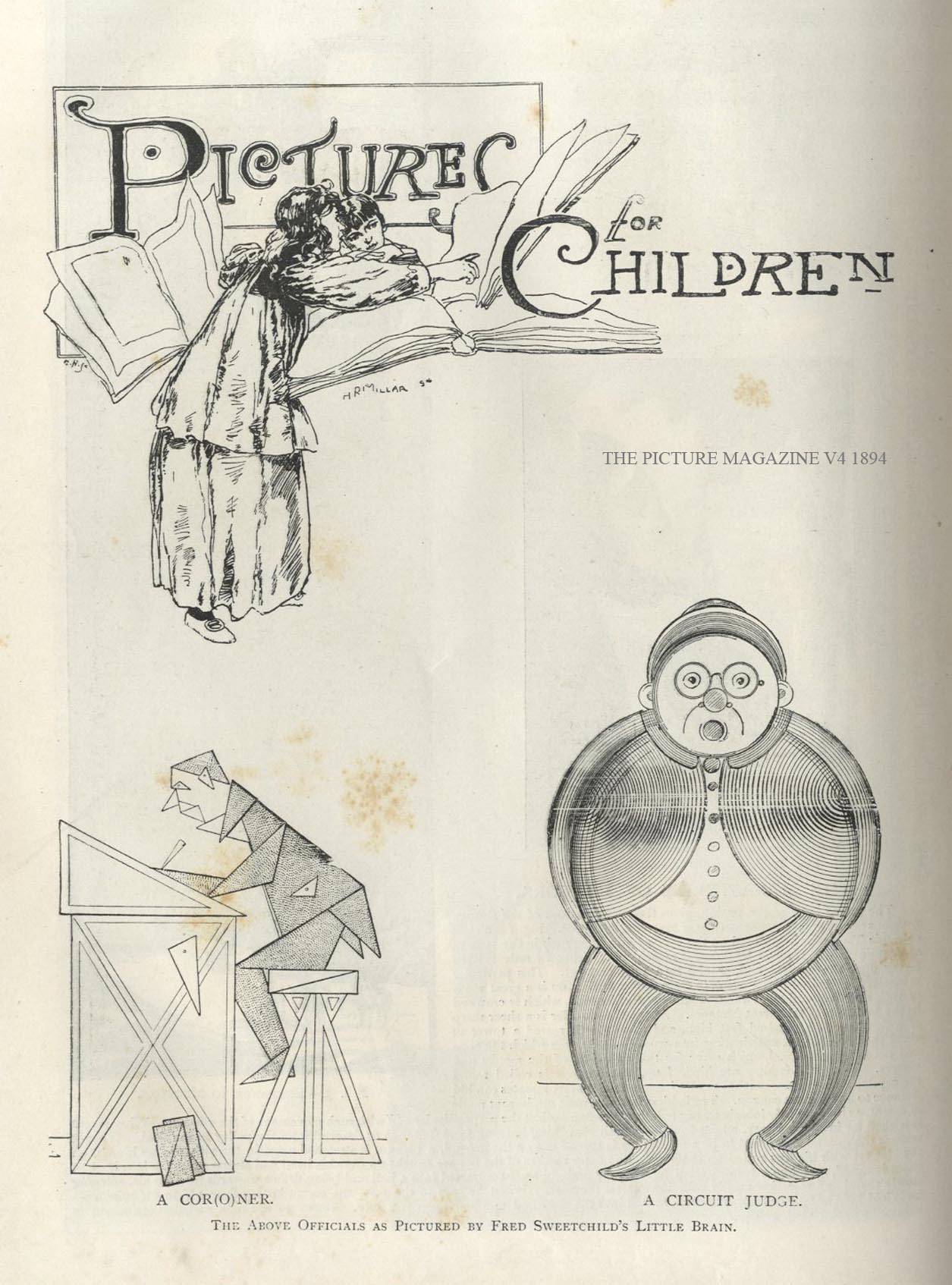 |
Fred Sweetchild's geometric figures |
 |
The Performing Monopeds, the Brothers Donato |
 |
Town stands on Head, 1940 |
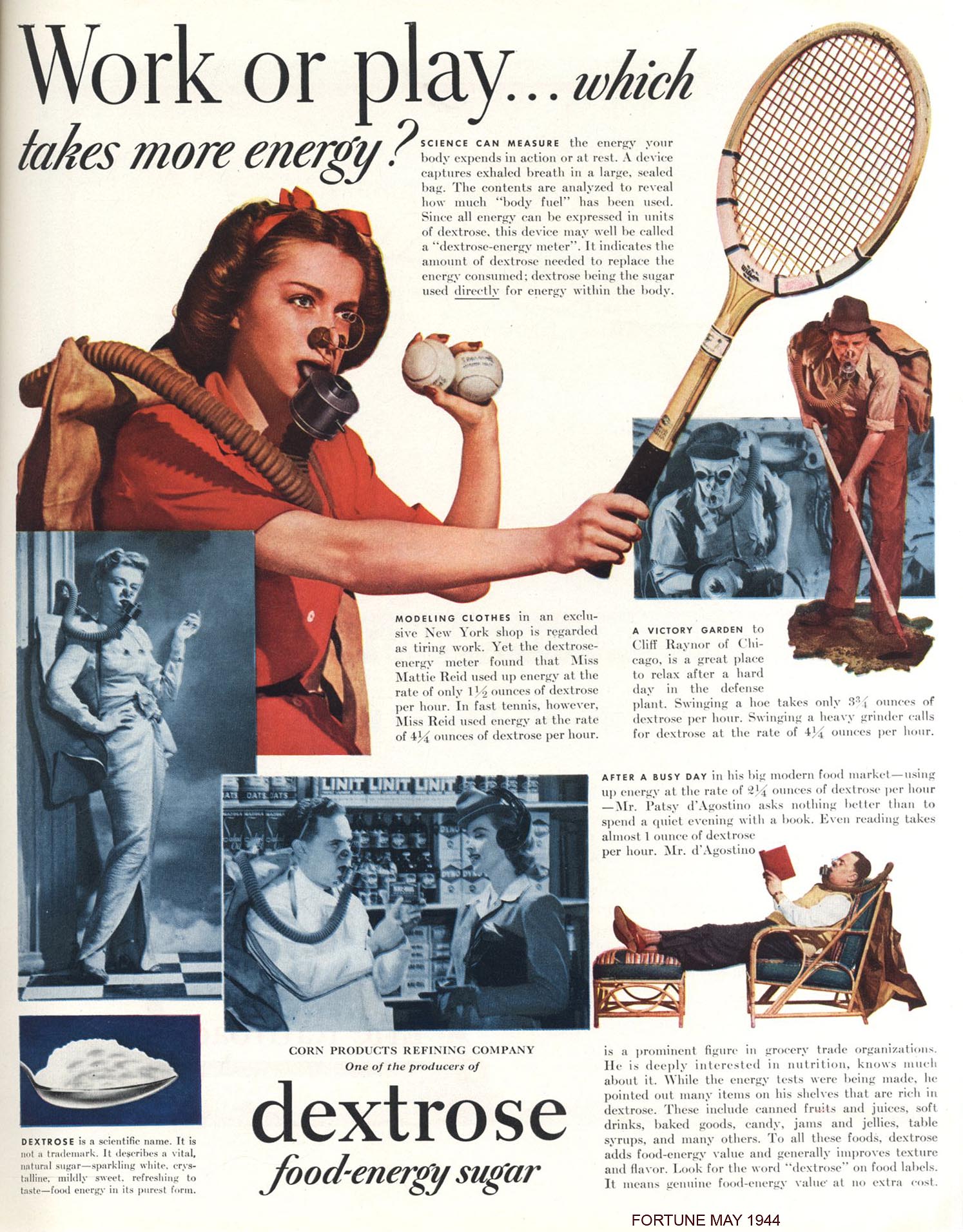 |
Figures in Gas Masks, Work or Play, Dextrose 1944 |
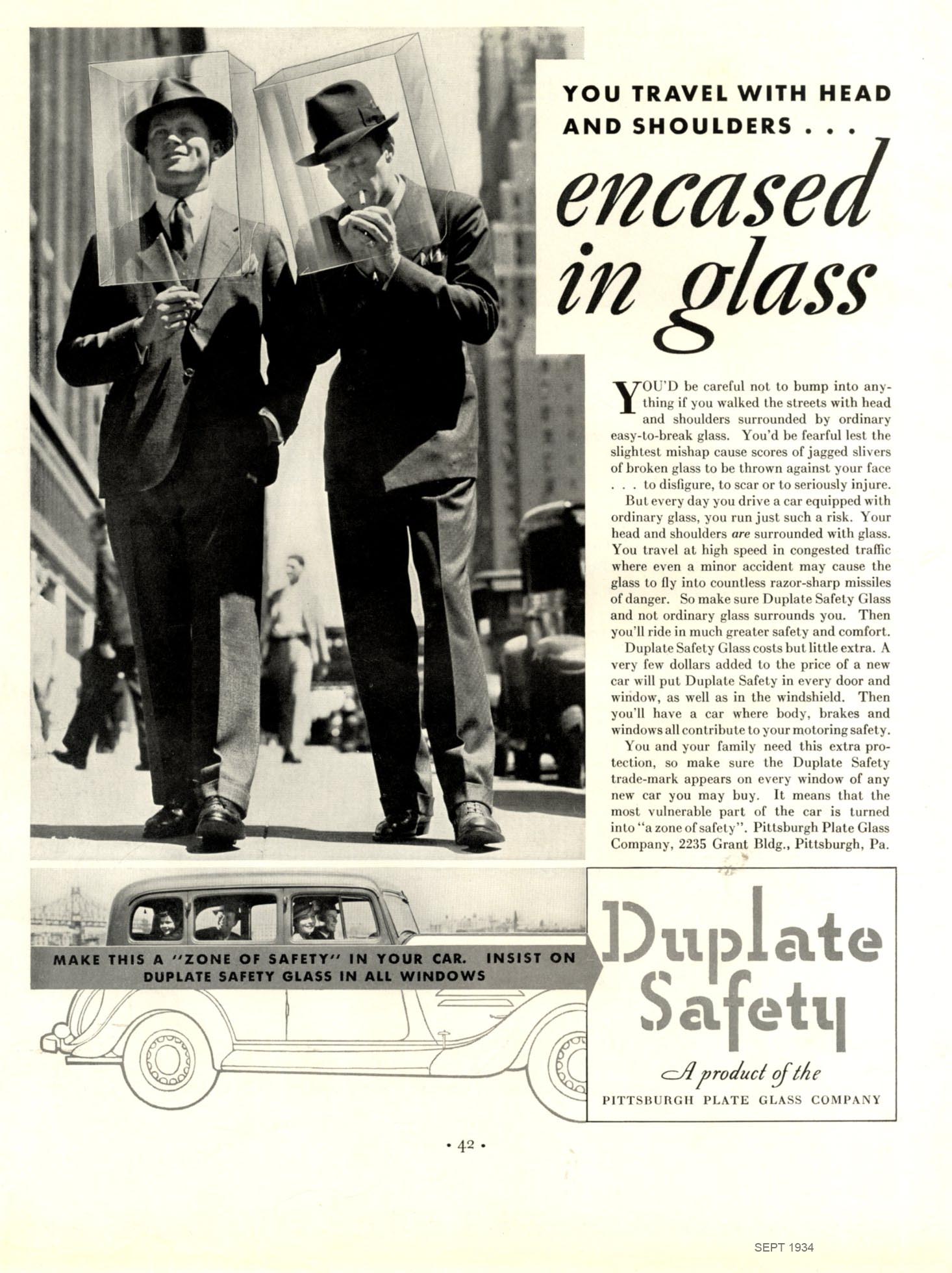 |
Encased in Glass (Duplate Safety, Blockheads) 1934 |
 |
George Cruikshank, Sugar and Spice, a Food Figure c1810 |
|
Health and Electricity Le Petit Journal 1983 (Sanden's Belt) |
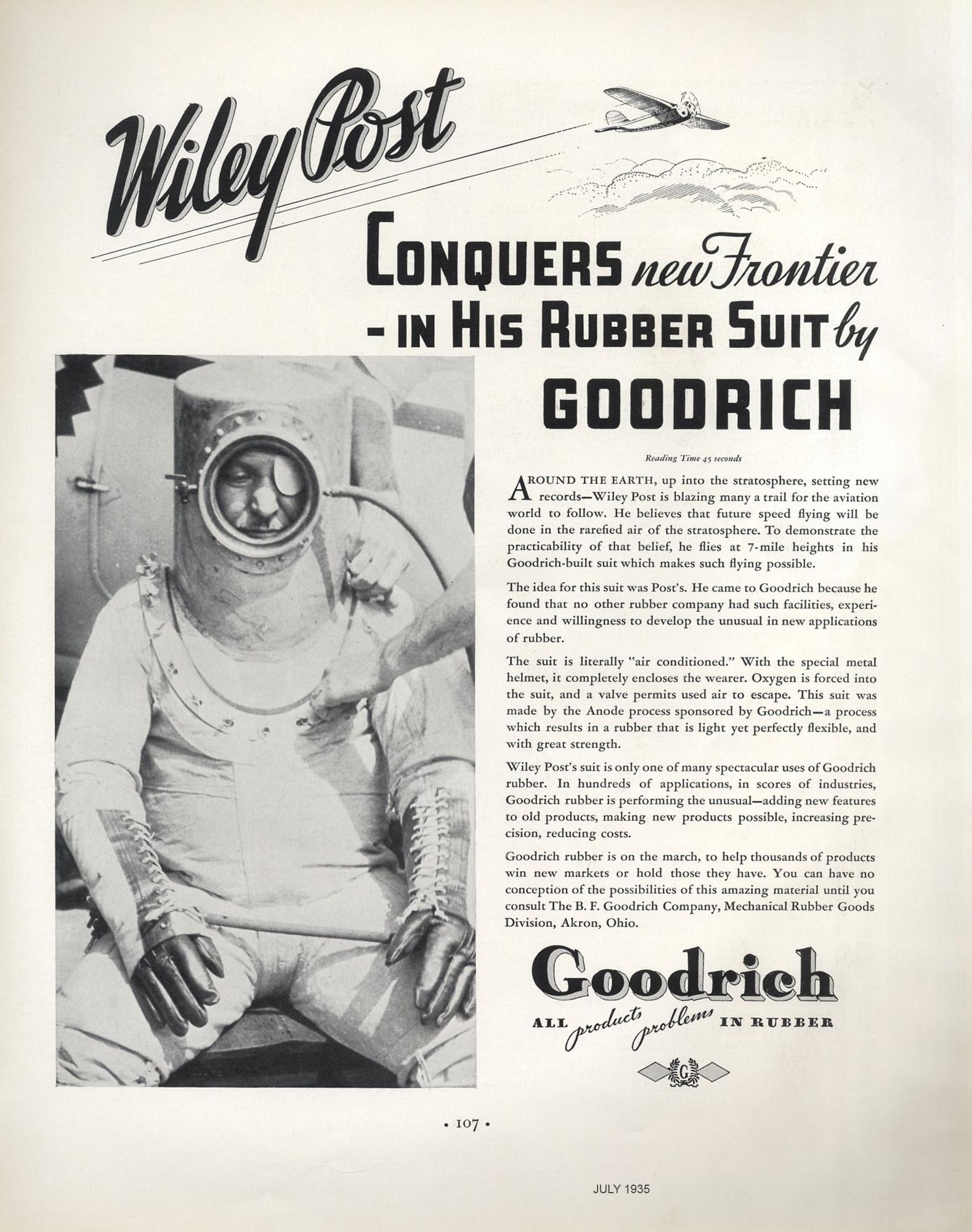 |
Wiley Post's Rubber Suit 1935 |
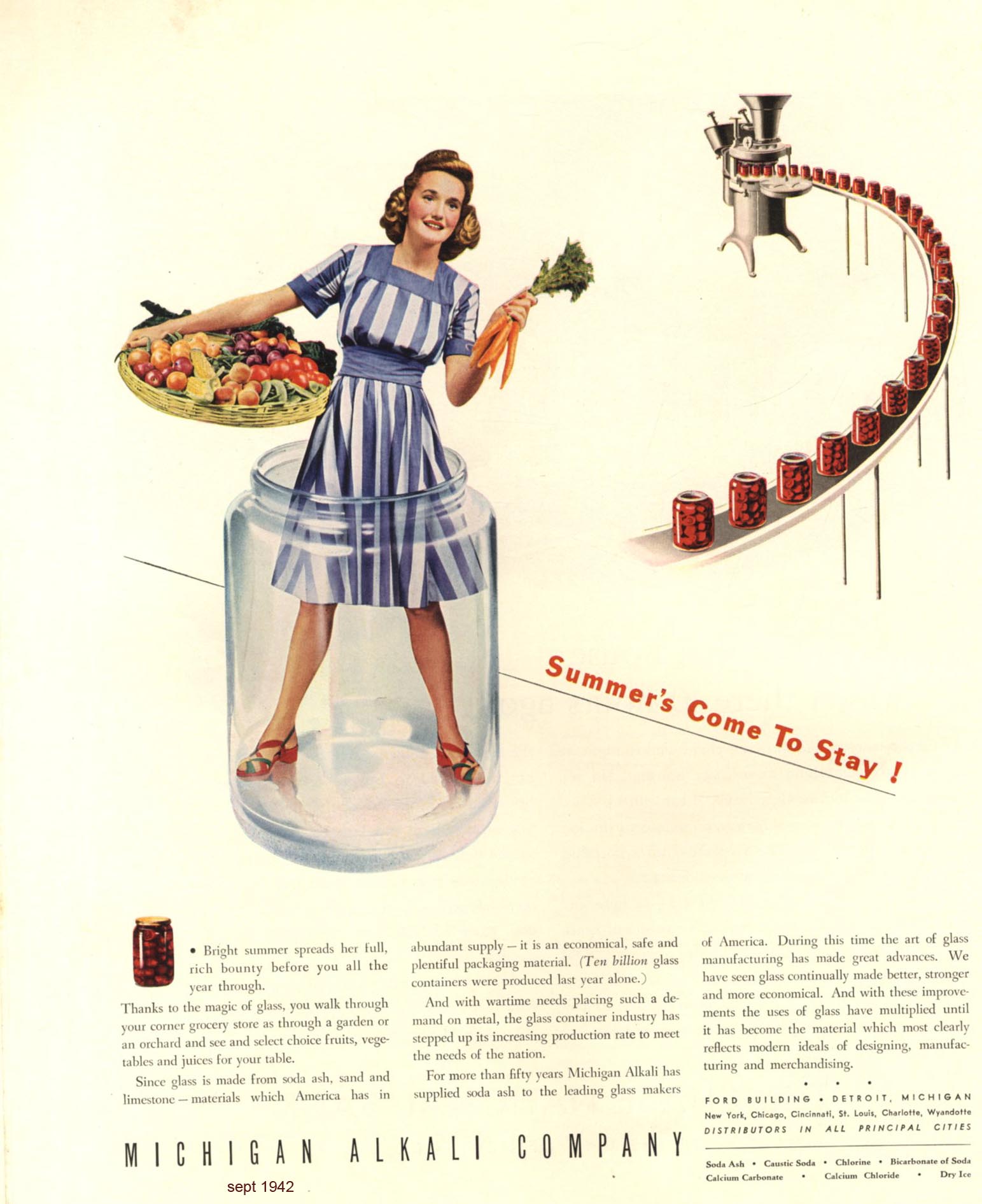 |
A Housewife in a Jar, Michigan Alkali 1942 |
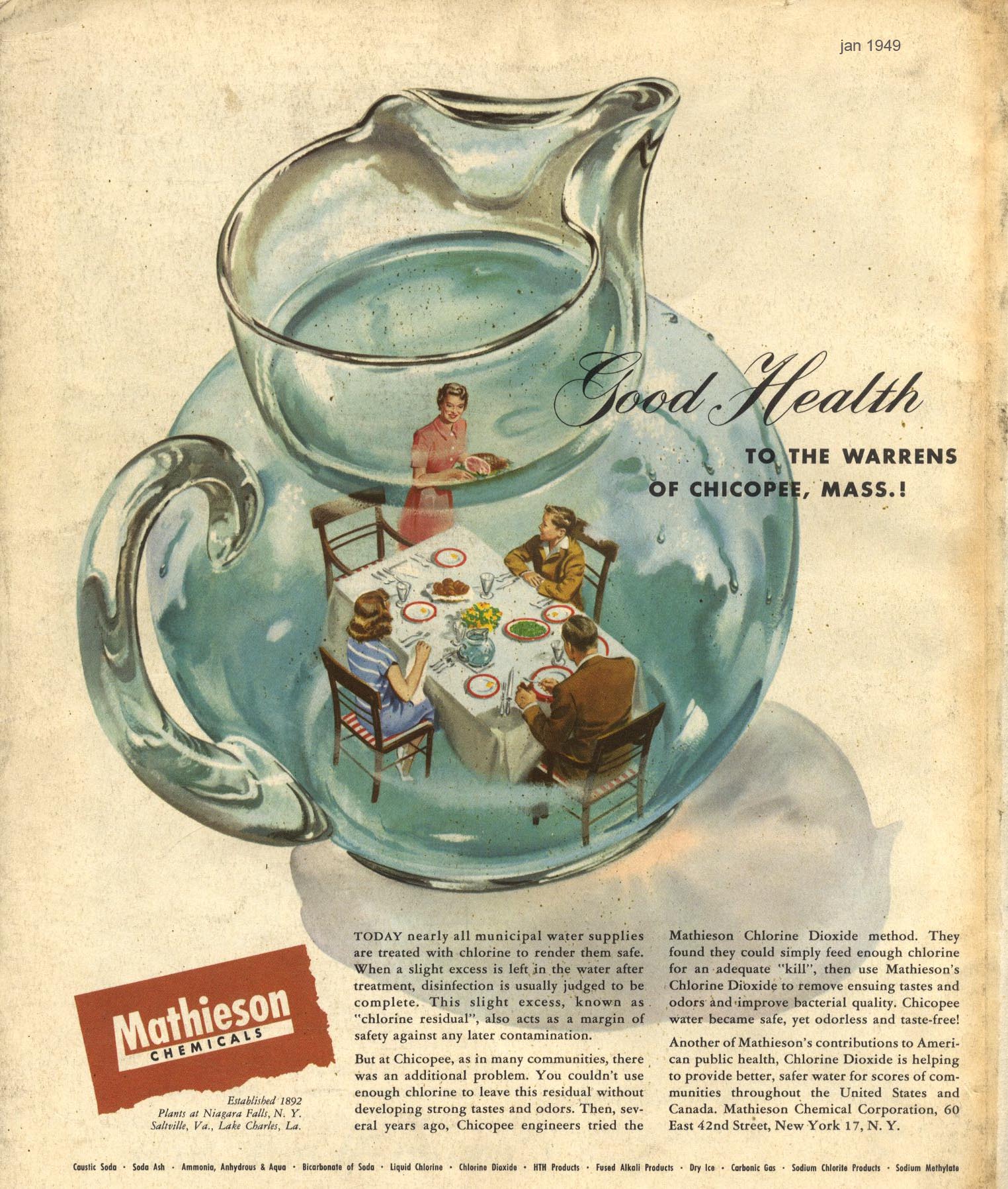 |
A Family in a Water Jug, Mathiesen 1949 |
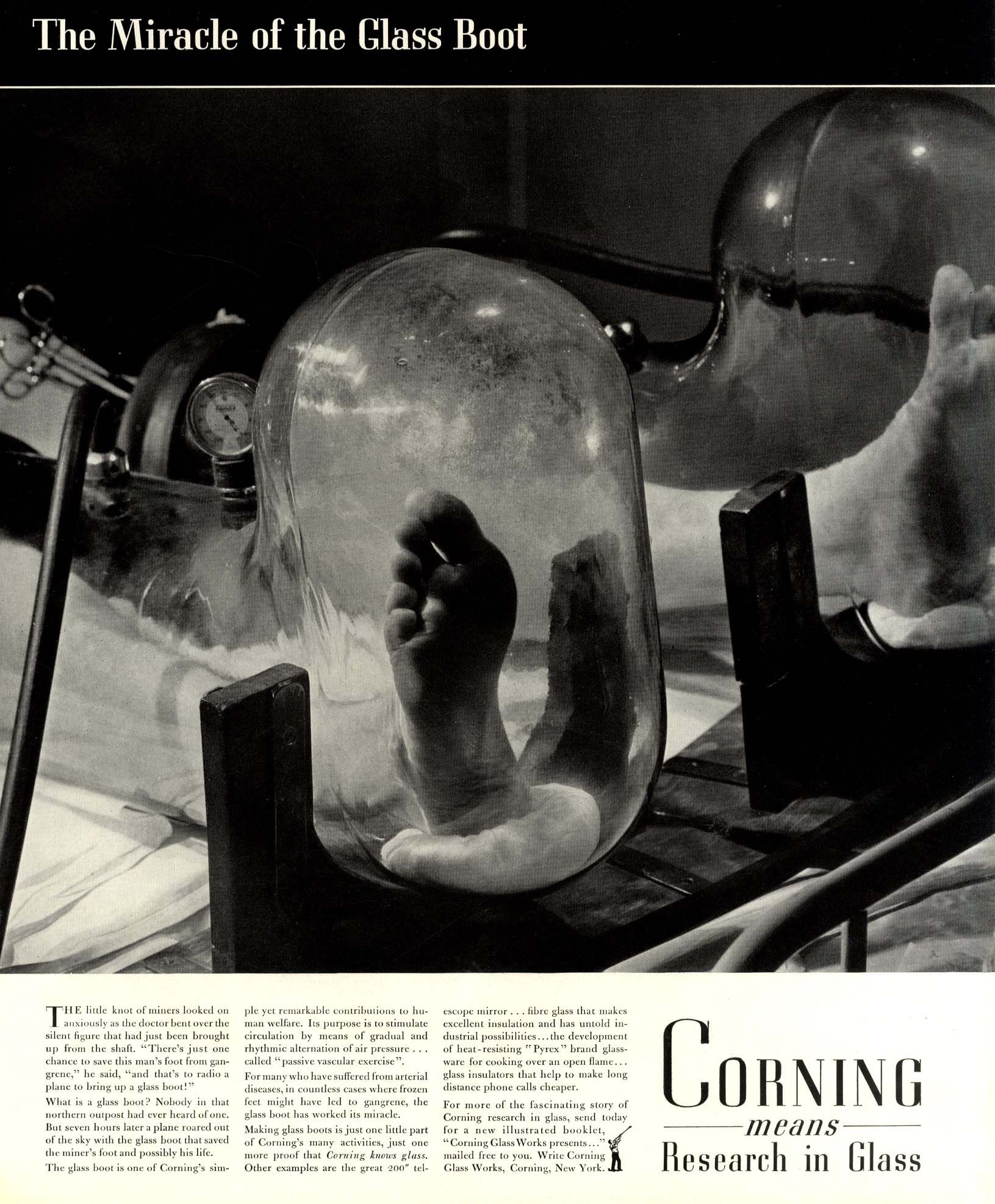 |
The Miracle of the Glass Boot c1940 |
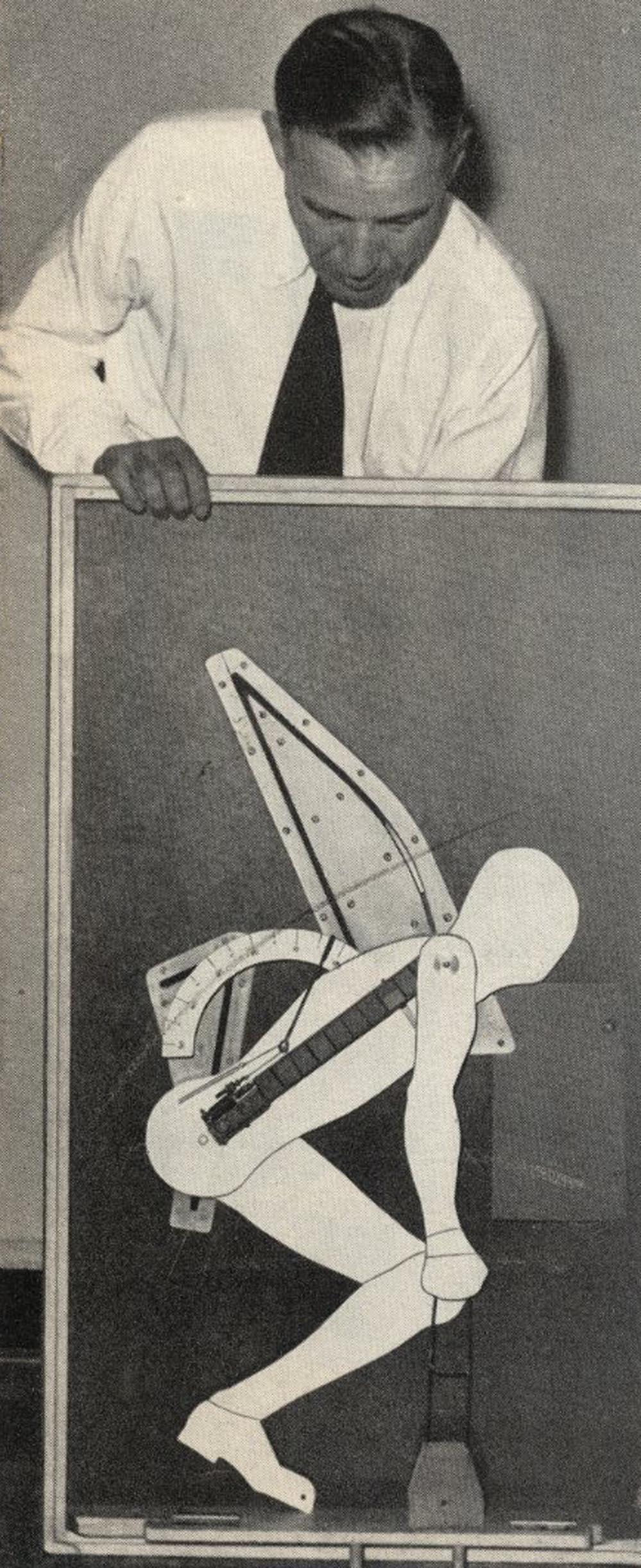 |
Body Working Model c1960 |
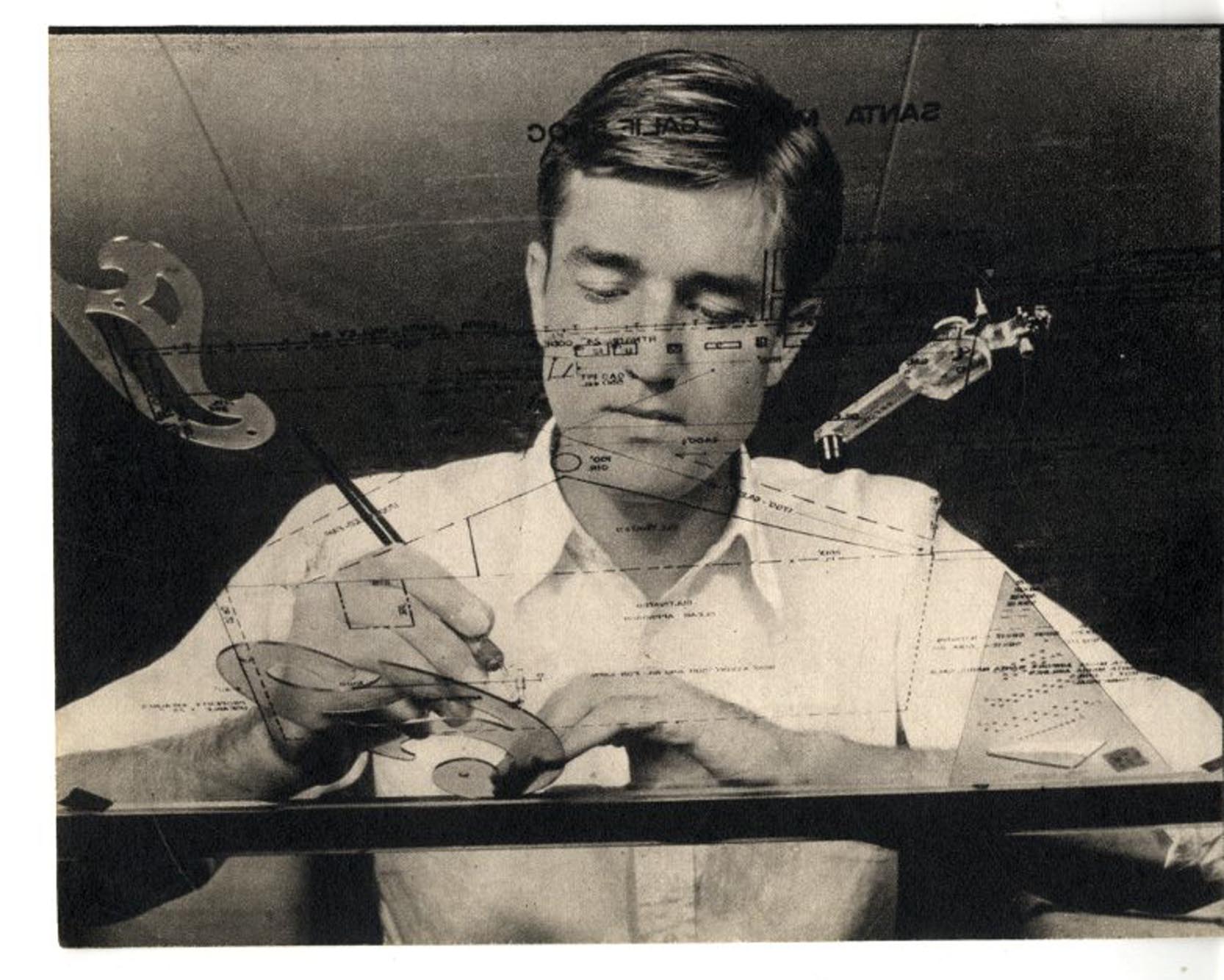 |
Figure in a Draughting Pose seen through Graphing Surface FORTUNE c1943 |
 |
Figure WITH FACIAL PATCH, FORTUNE C 1936 |
SINGLES
three
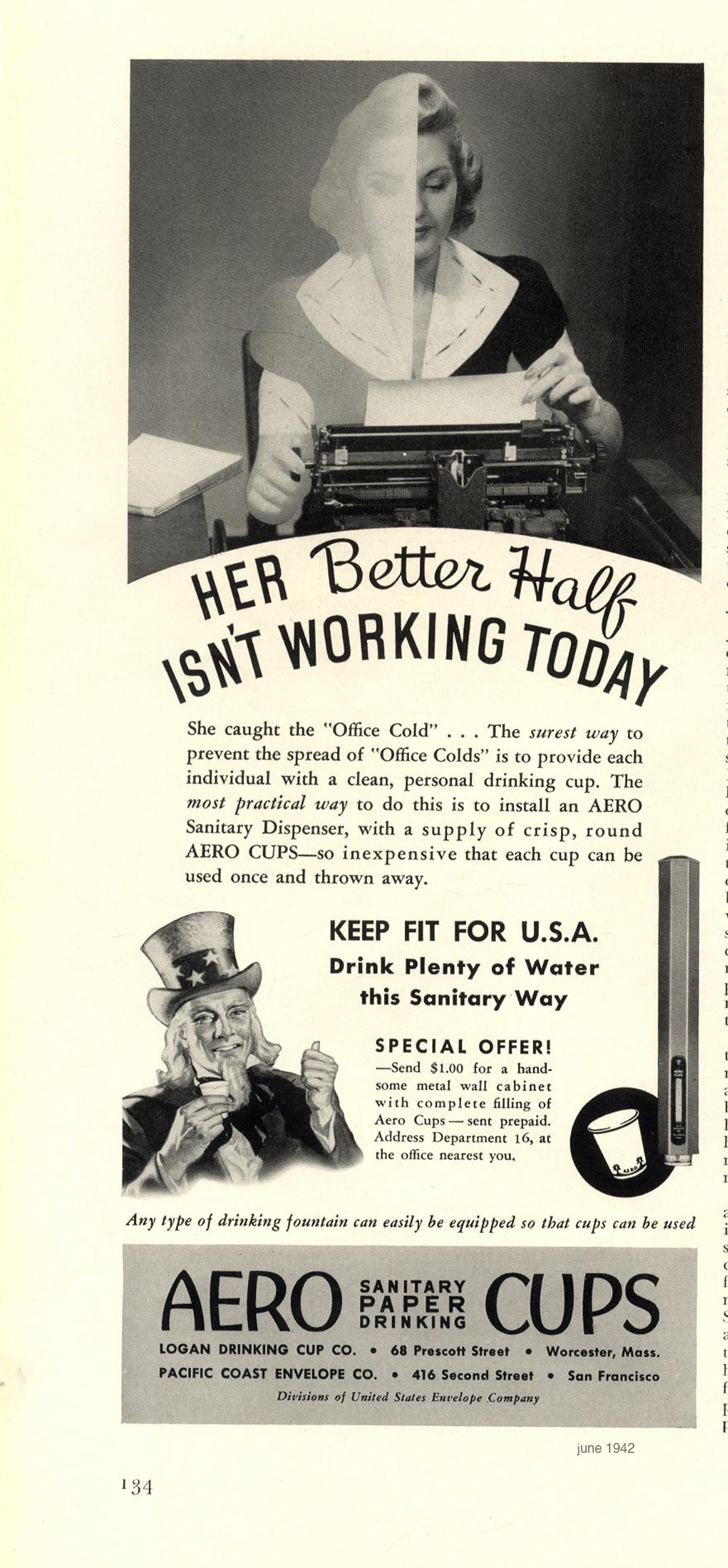 |
Her Better Half isn't Working Today 1942 |
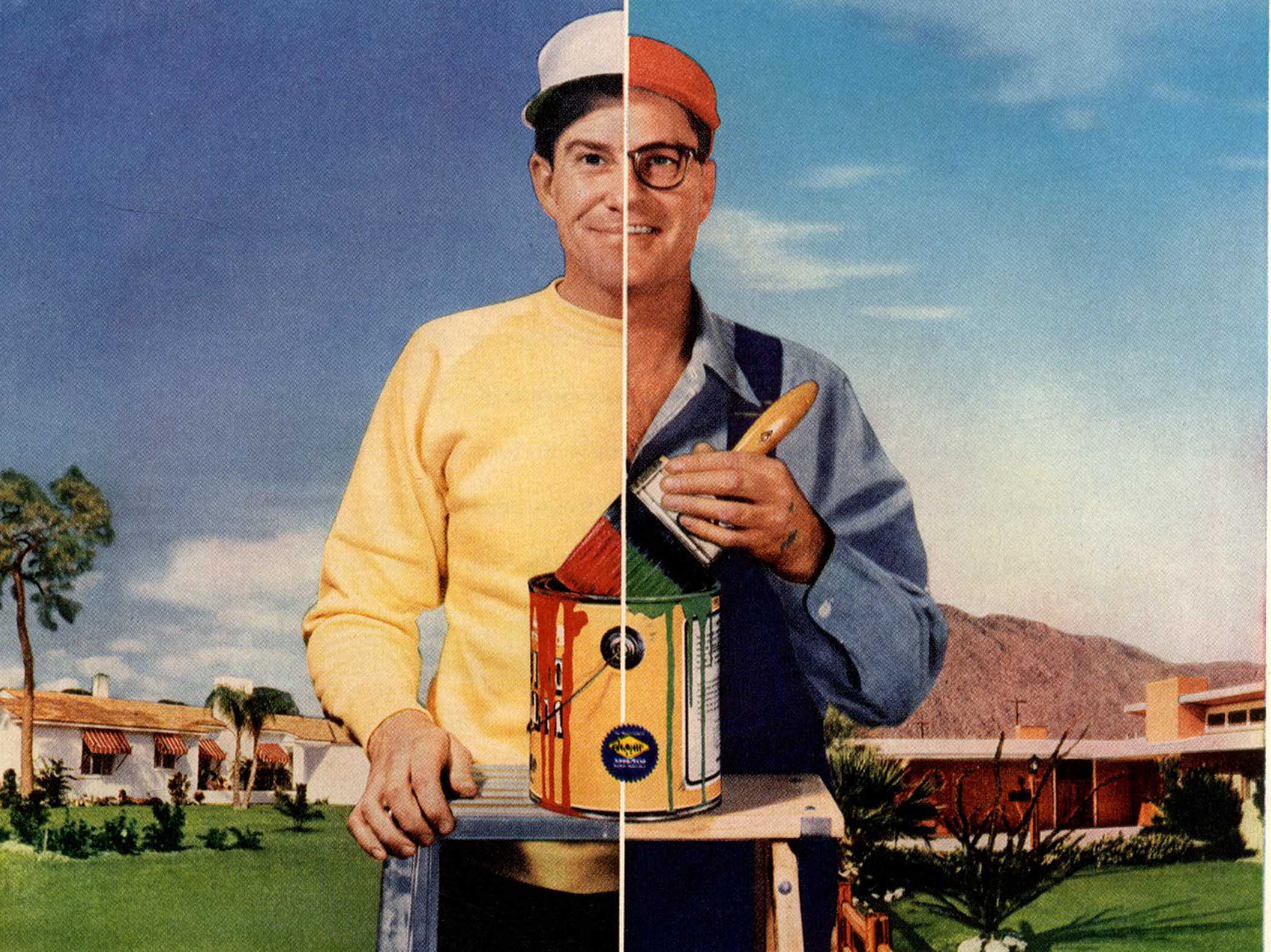 |
The Painter in Halves, product and date unknown |
 |
seen through a display screen c1948 |
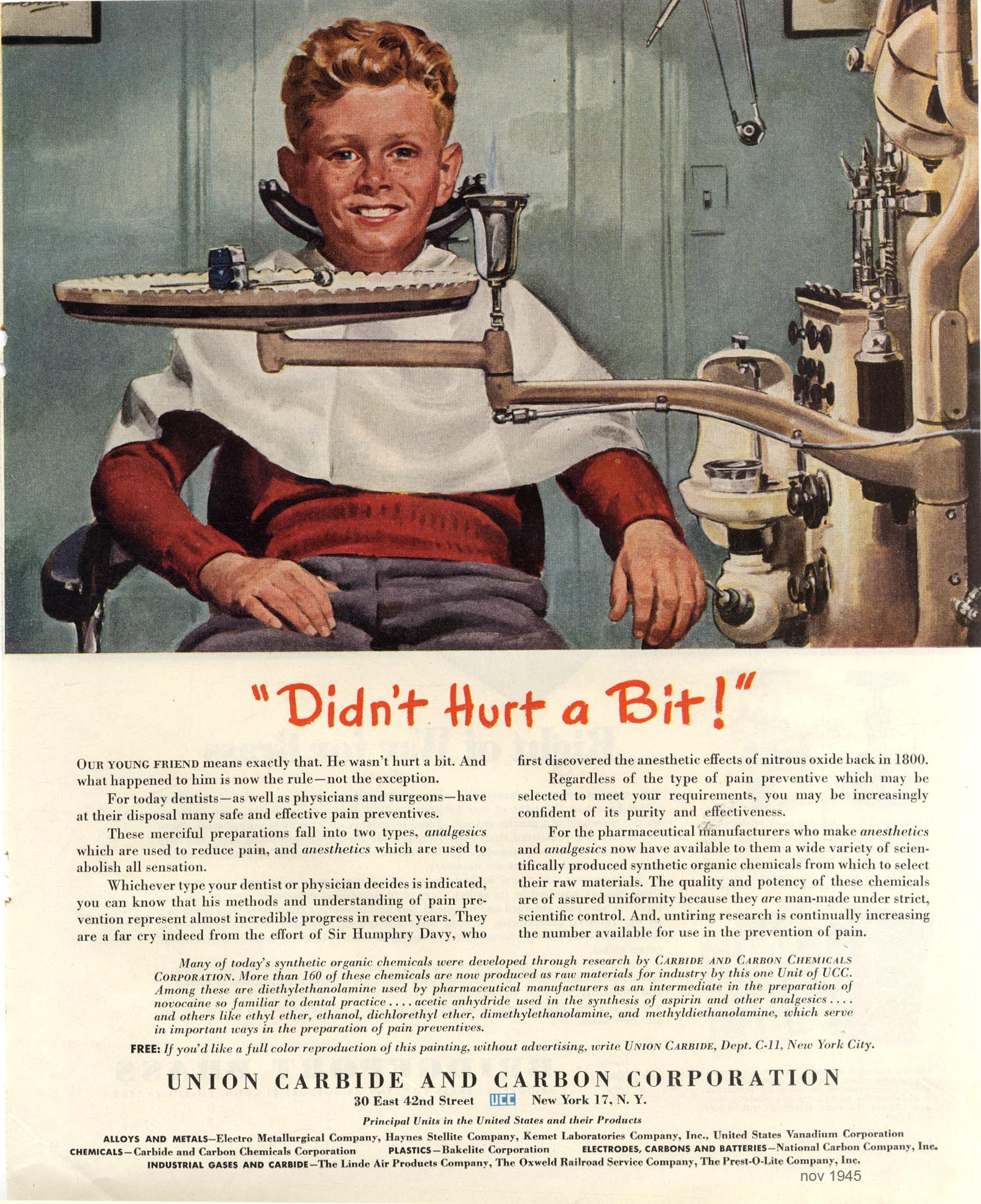 |
Boy at the Dentist, 1945 |
|
The Transparent Woman from the German Museum of Hygiene |
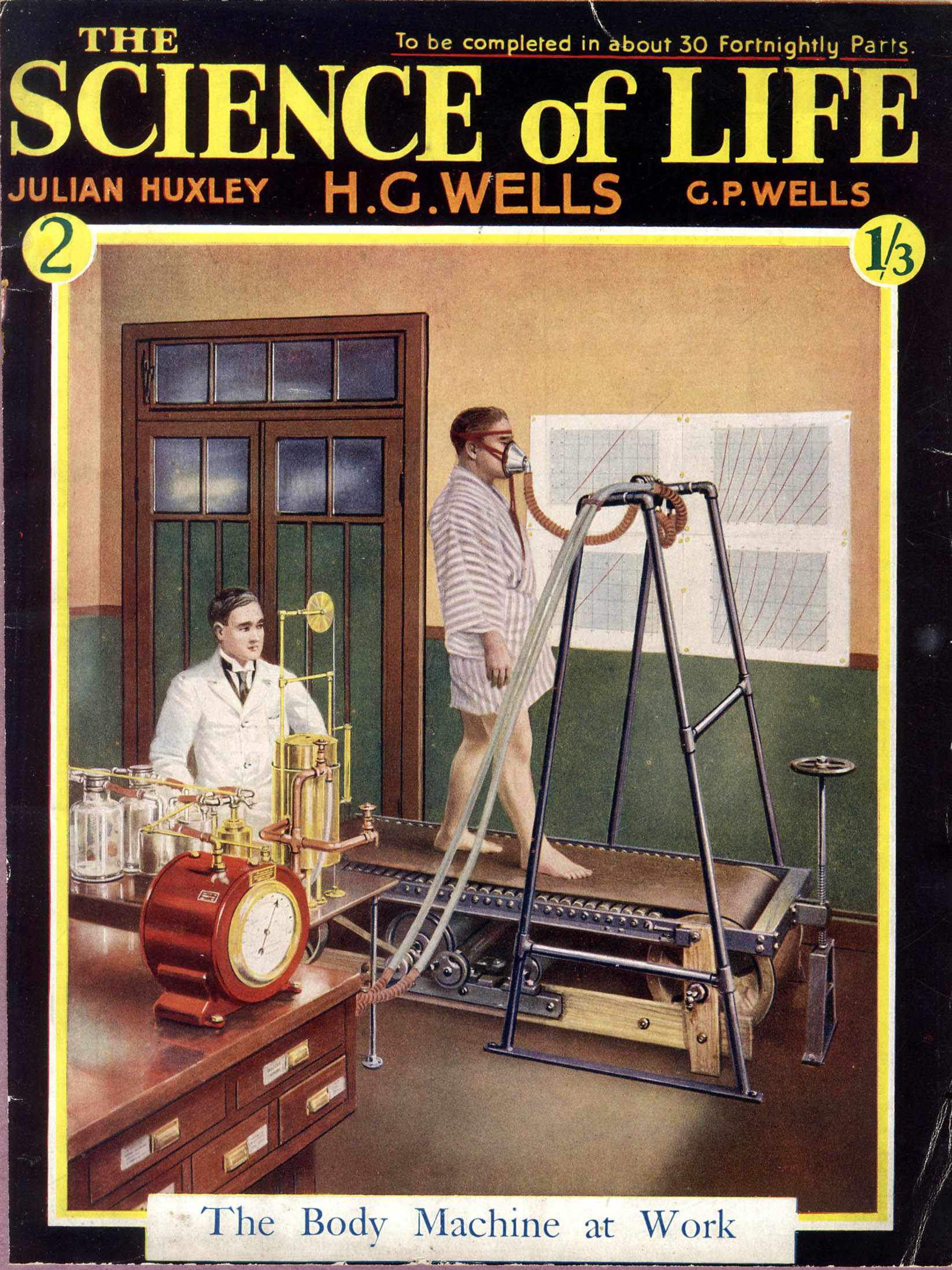 |
H.G.WELLS, The Science of Life, The Body Machine at Work 1931 |
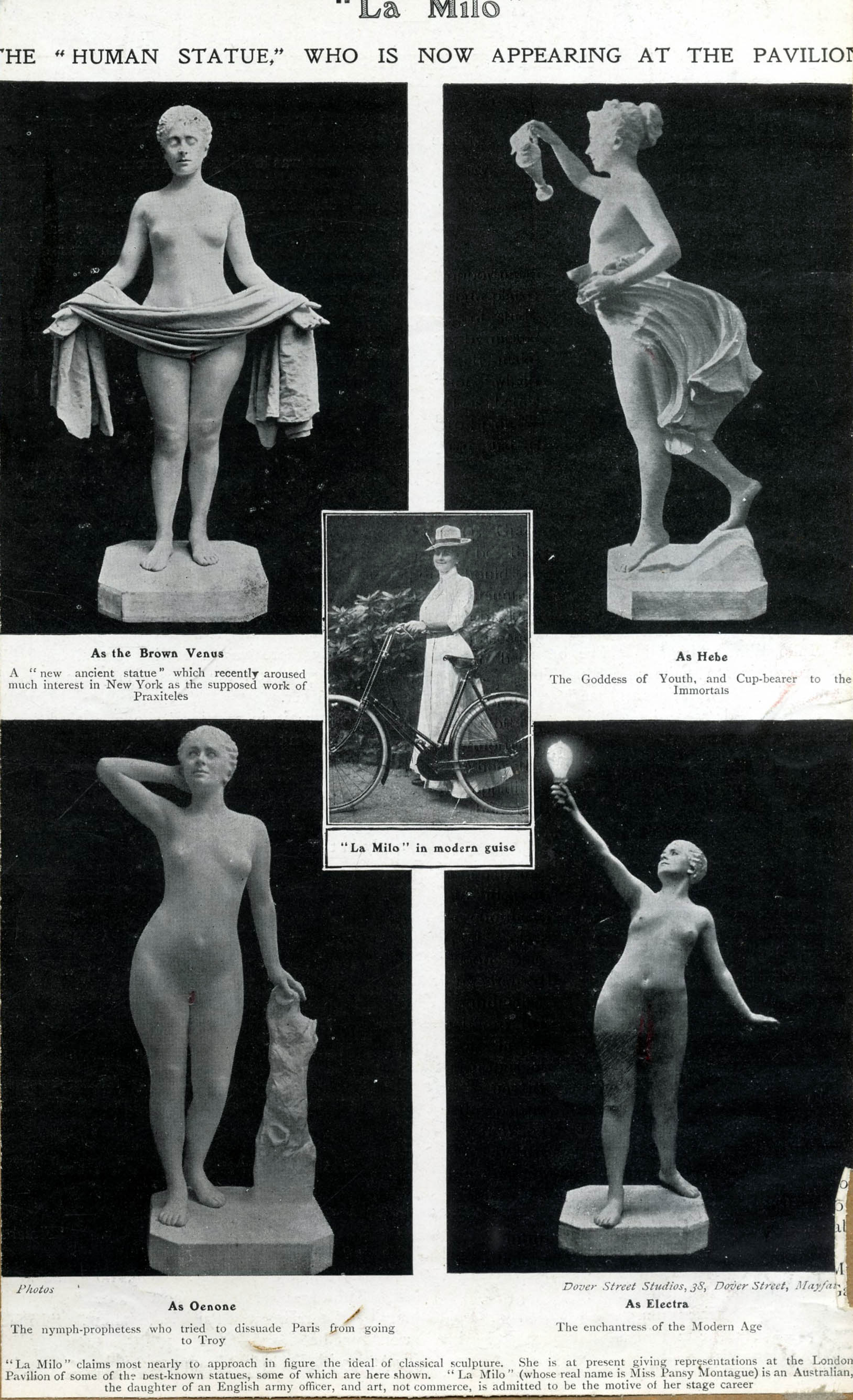 |
La Milo, the Human Statue (Pansy Montague) c1895 |
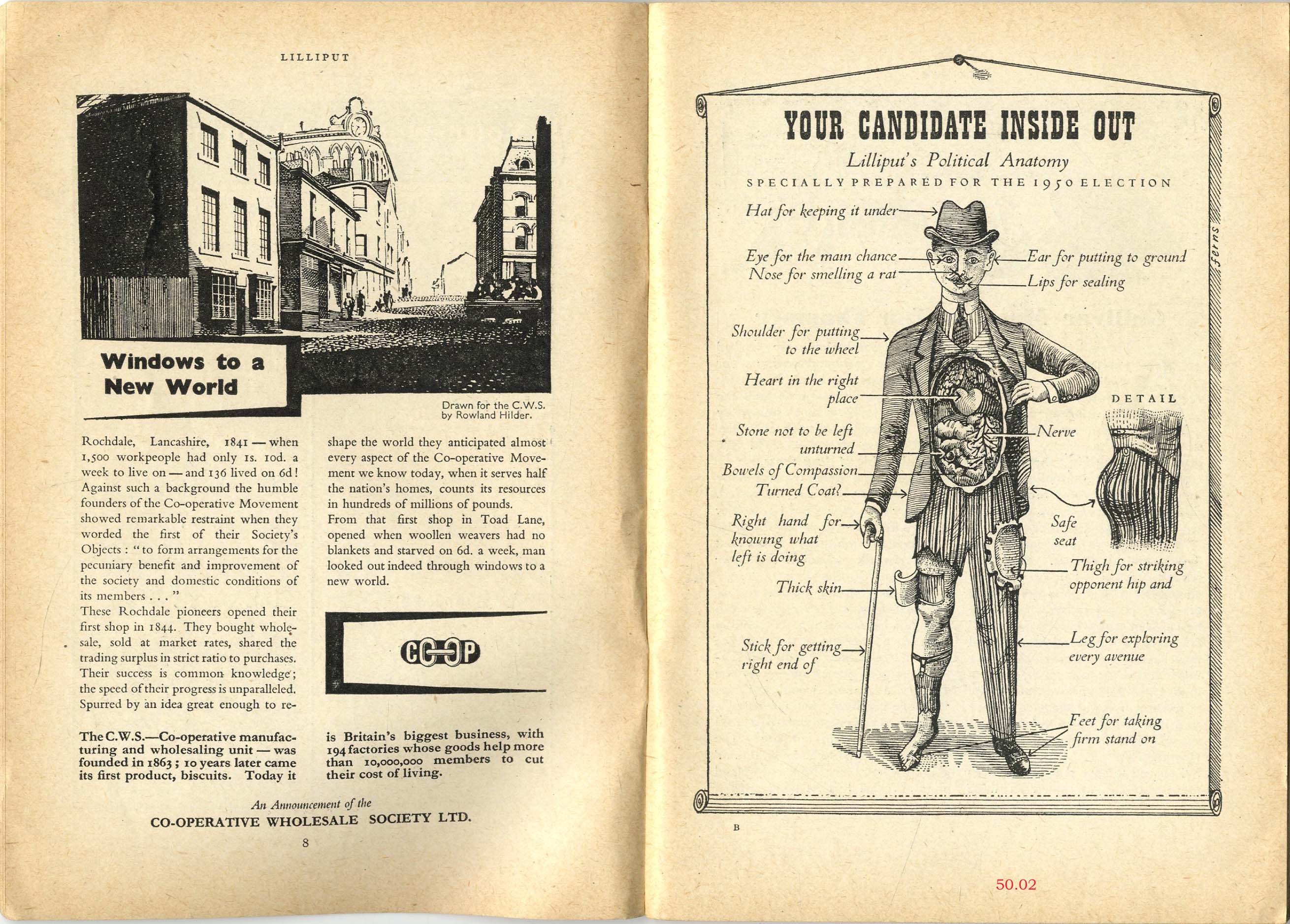 |
Lilliput 1950, Your Candidate Inside Out |
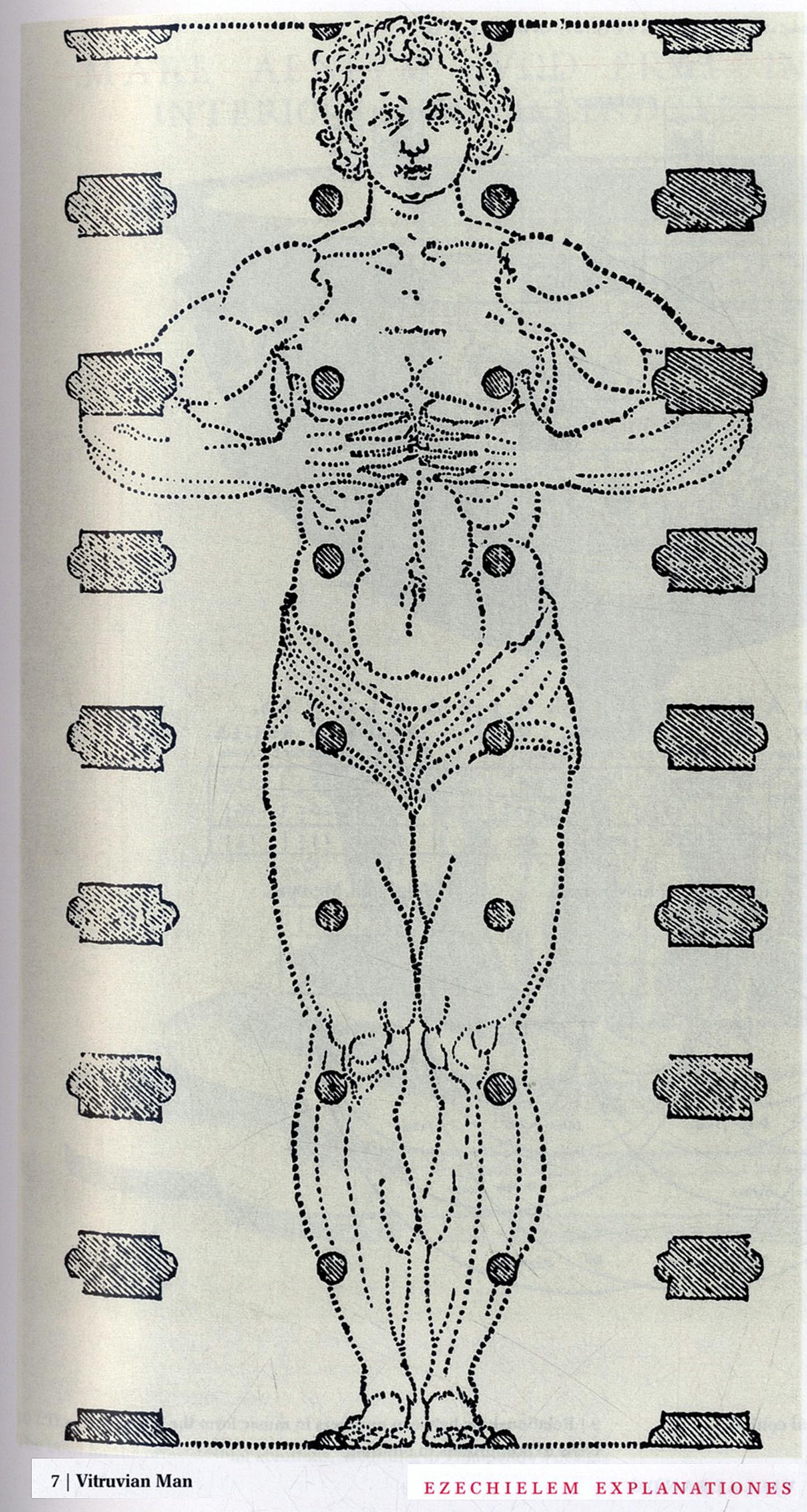 |
Ezechielem Explanationes, Vitruvian Man , body of man and cathedral |
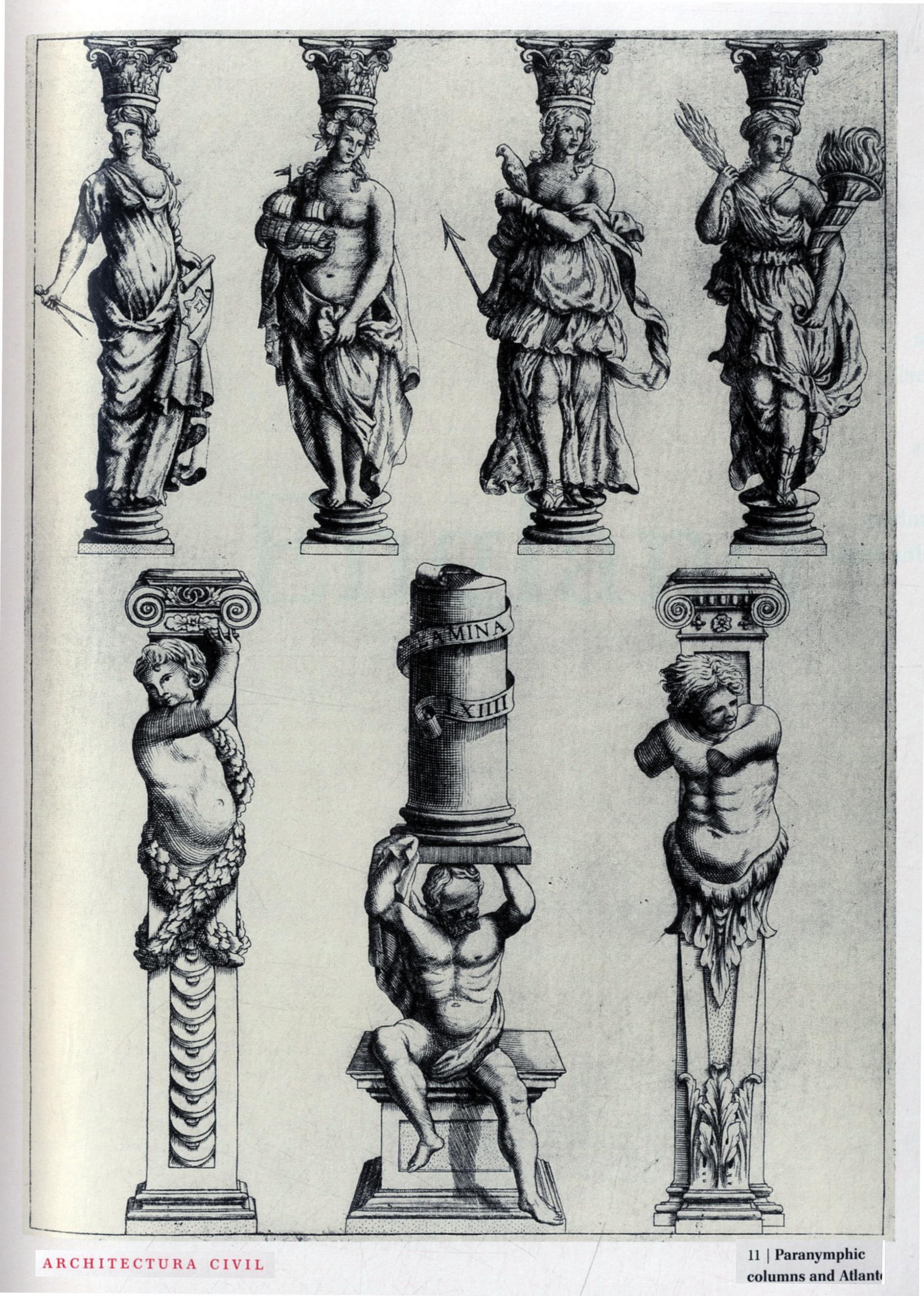 |
ARCHITECTURA CIVIL, Paranymphic Columns |
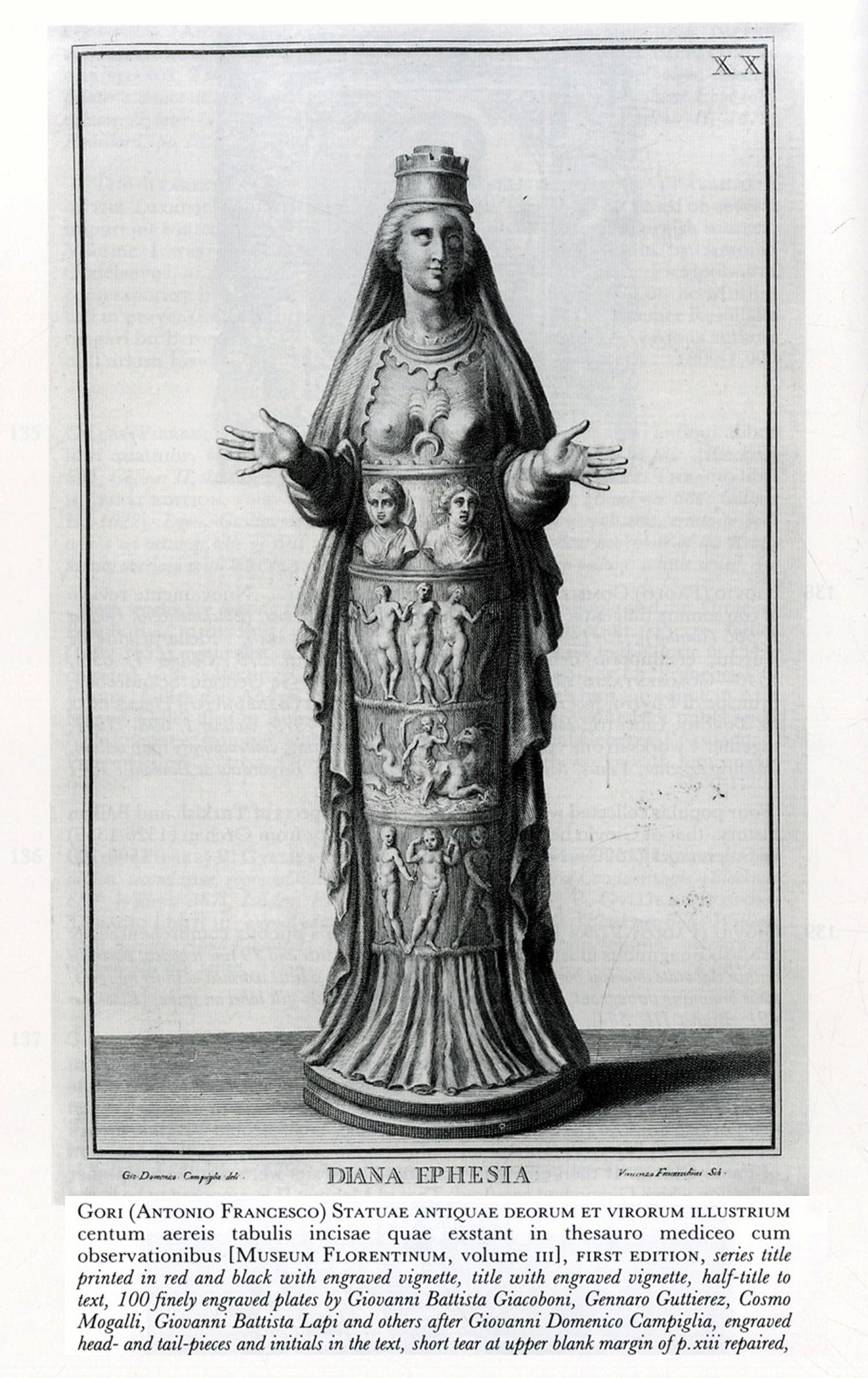 |
ANTONIO GORI, Museum Florentium vol 3 Antiqua numismata aurea et argentea , 1740, sculptural figure from the antique |
 |
E.A.Petitot , Satire on the Greek Taste 1771 |
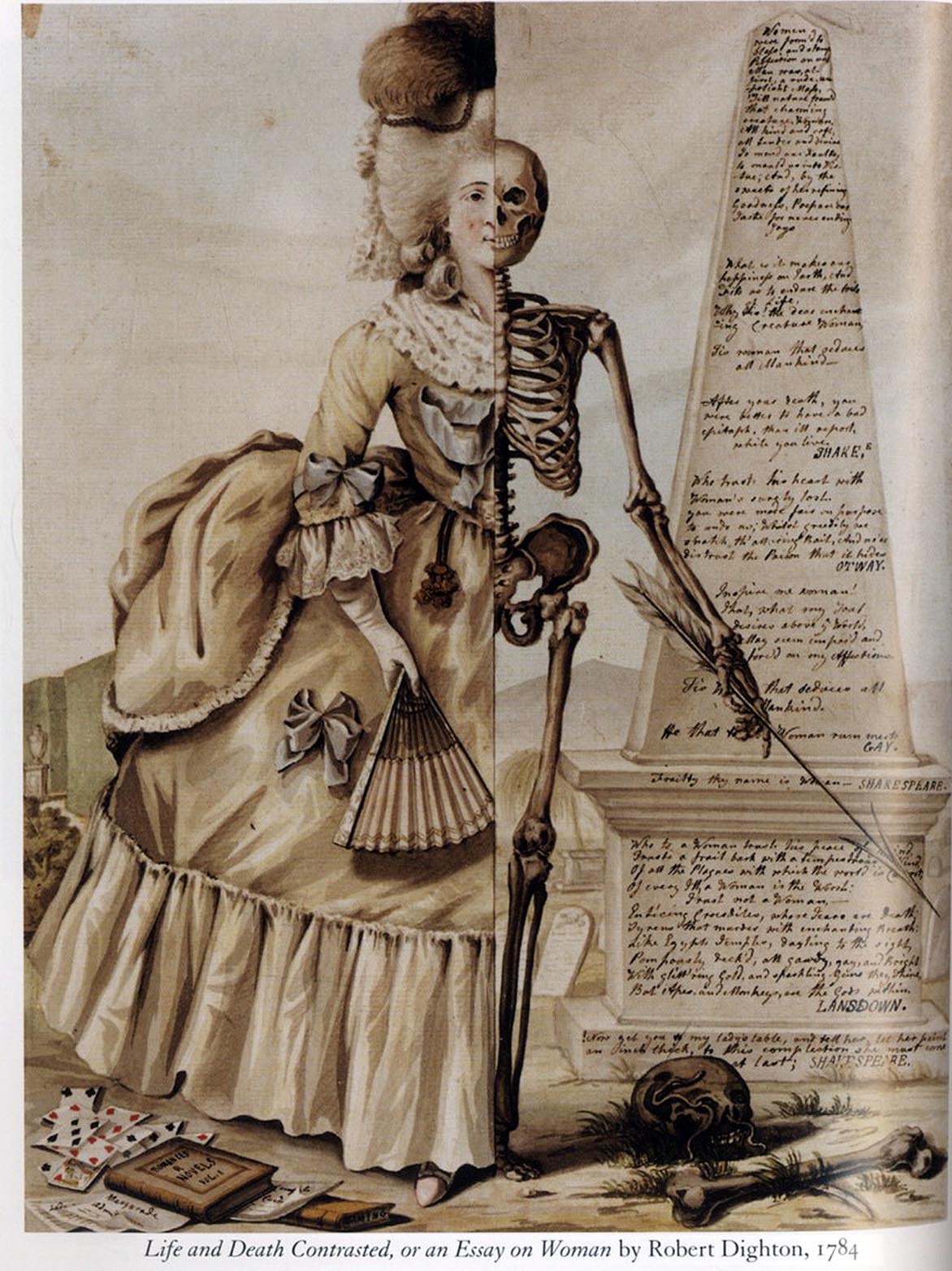 |
ROBERT DIGHTON , Life and Death Contrasted, Men 1784 |
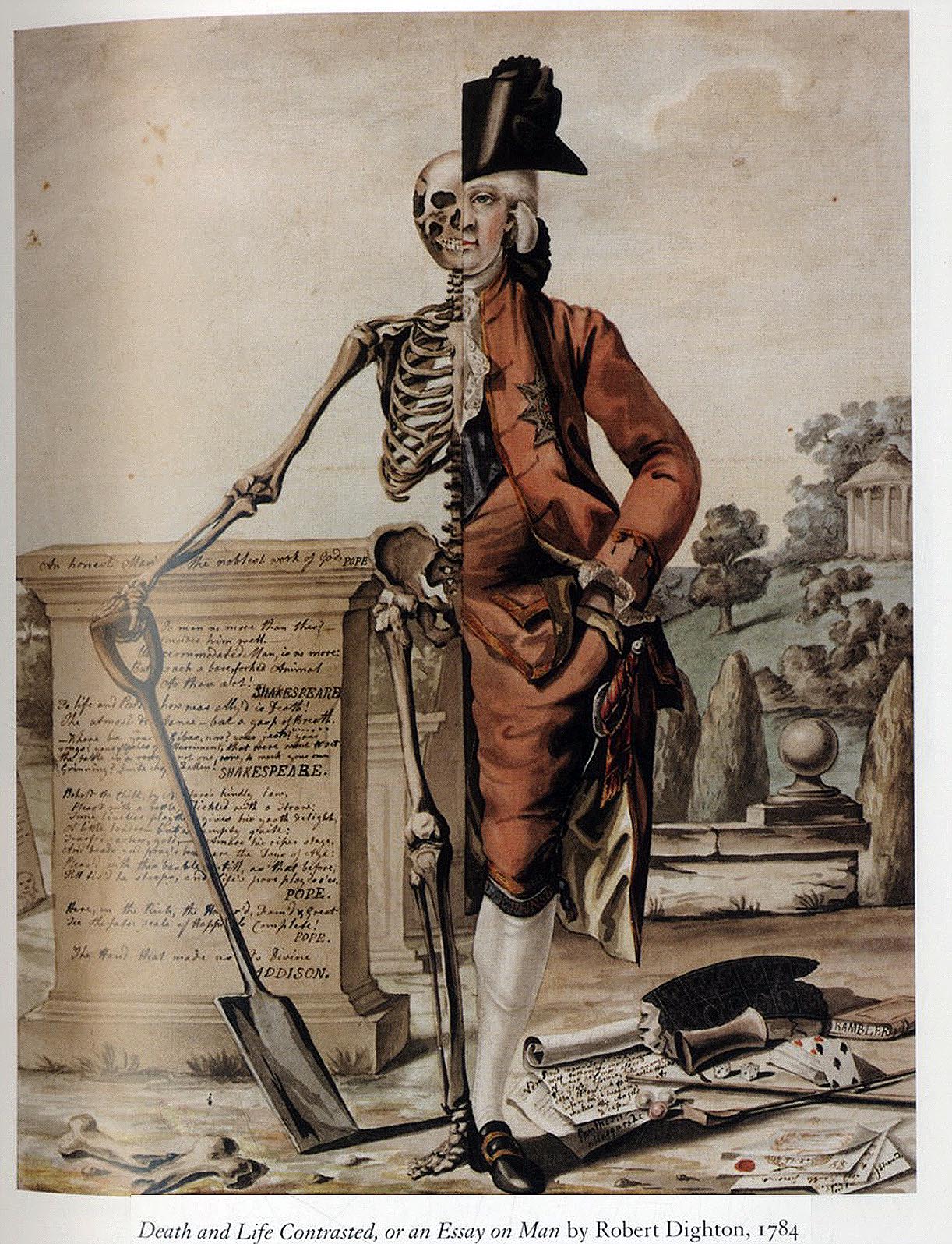 |
ROBERT DIGHTON , Life and Death Contrasted, Women 1784 |
|
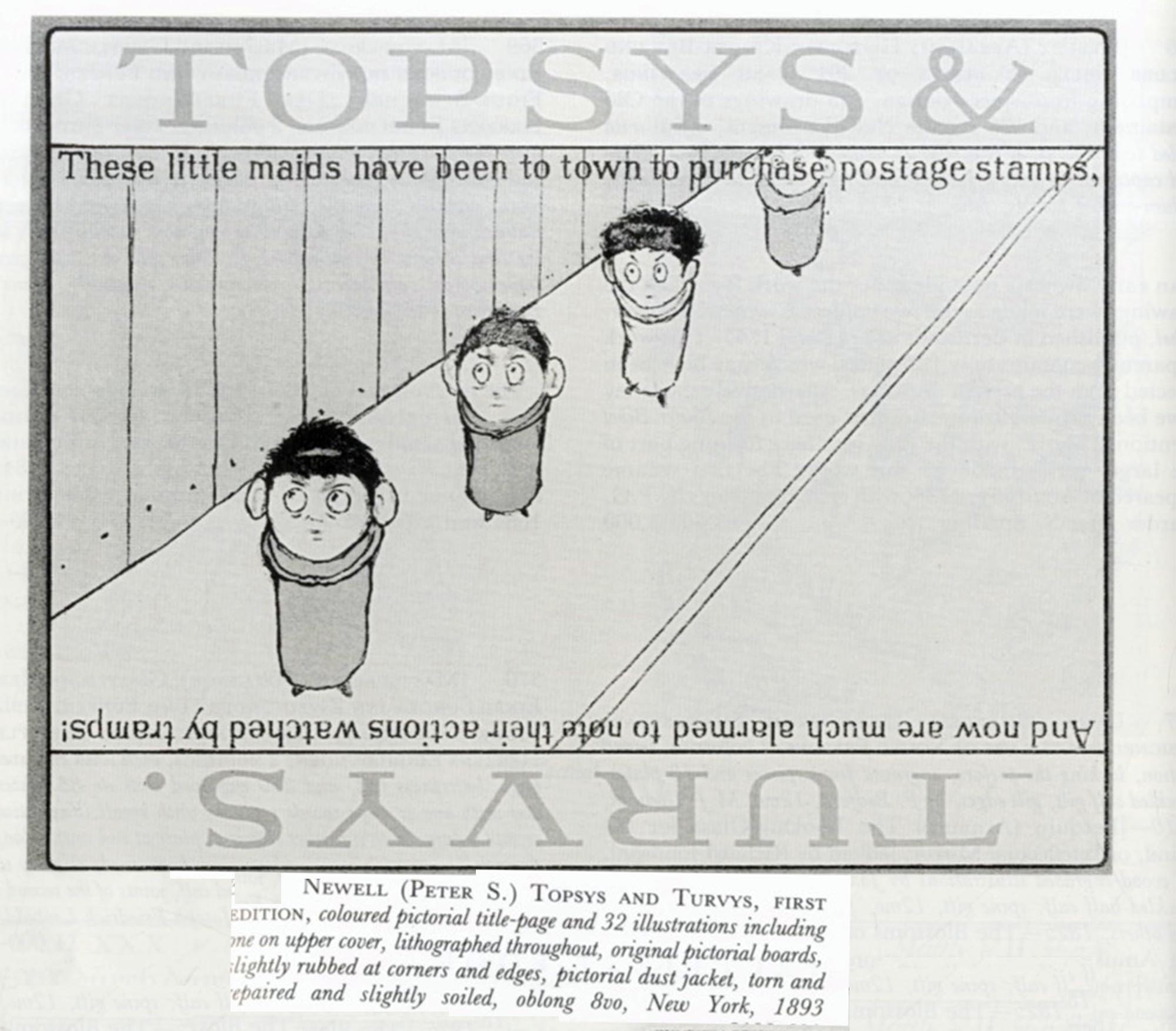
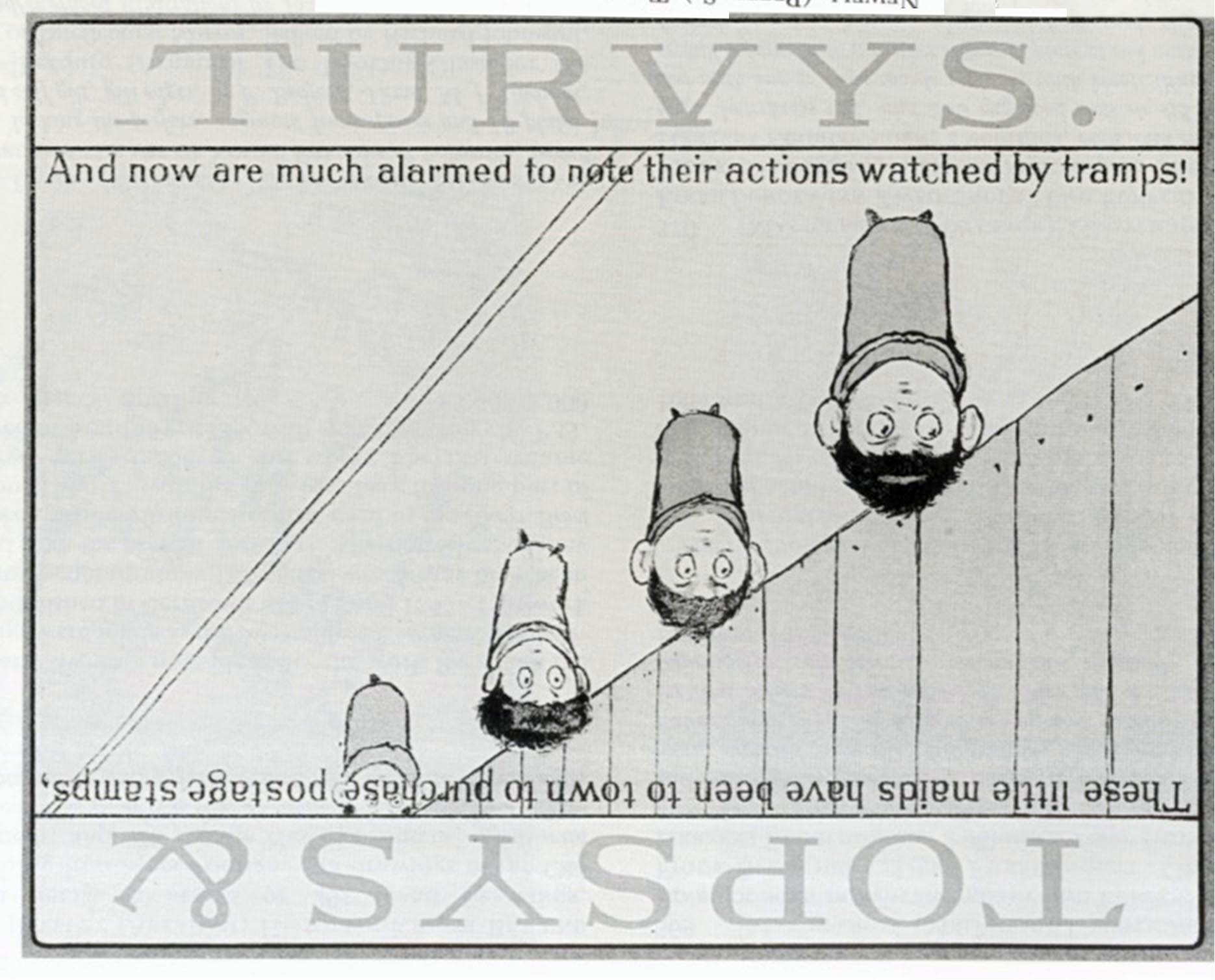
Peter Newell THE TOPSYS AND THE TURVEYS, the page read 2 ways Tramps and Girls, |
 |
Personalised Swimming suit, with and without helmet c1895 |
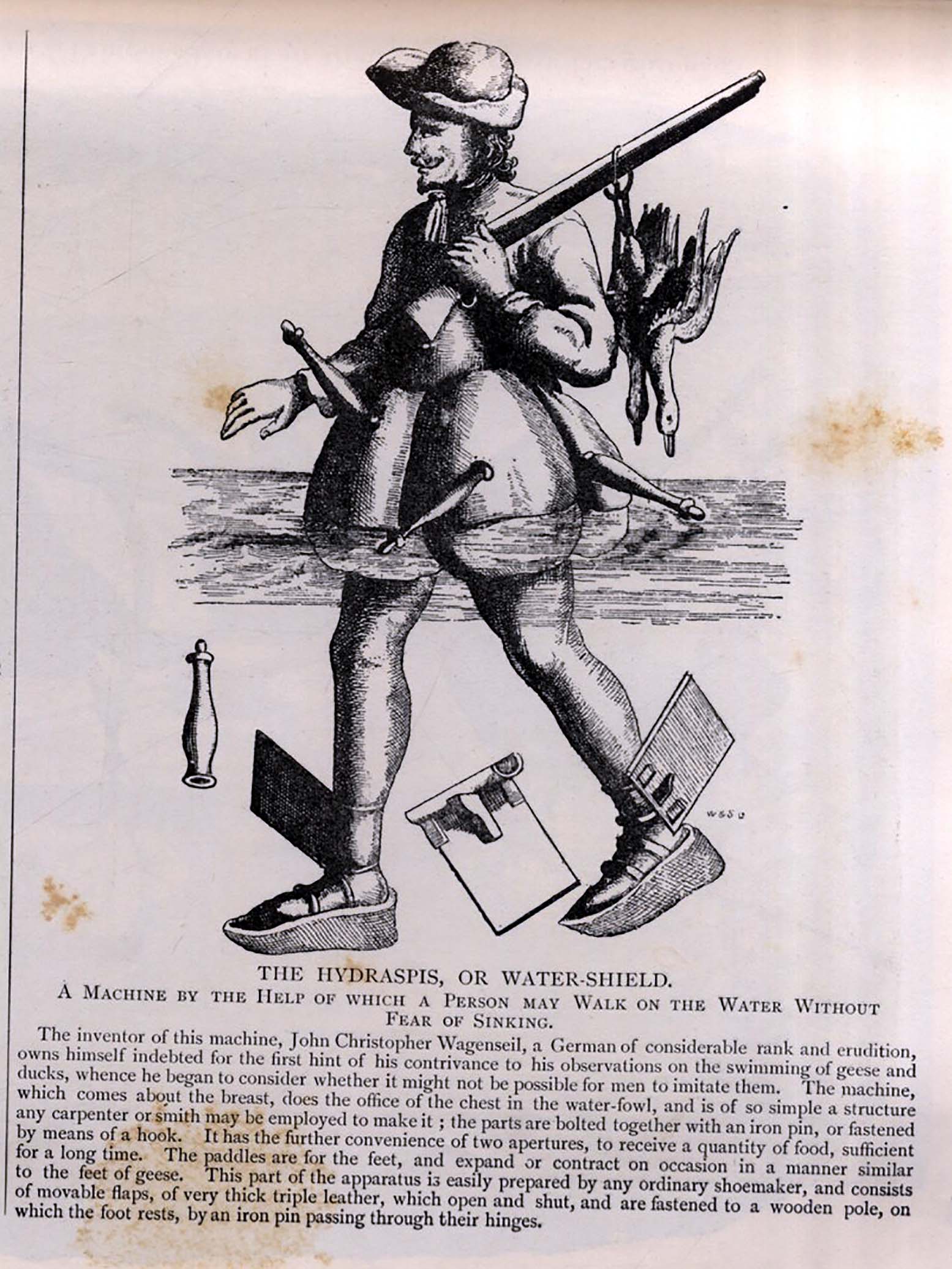 |
The Hydraspis, A MACHINE TO WALK ON WATER |
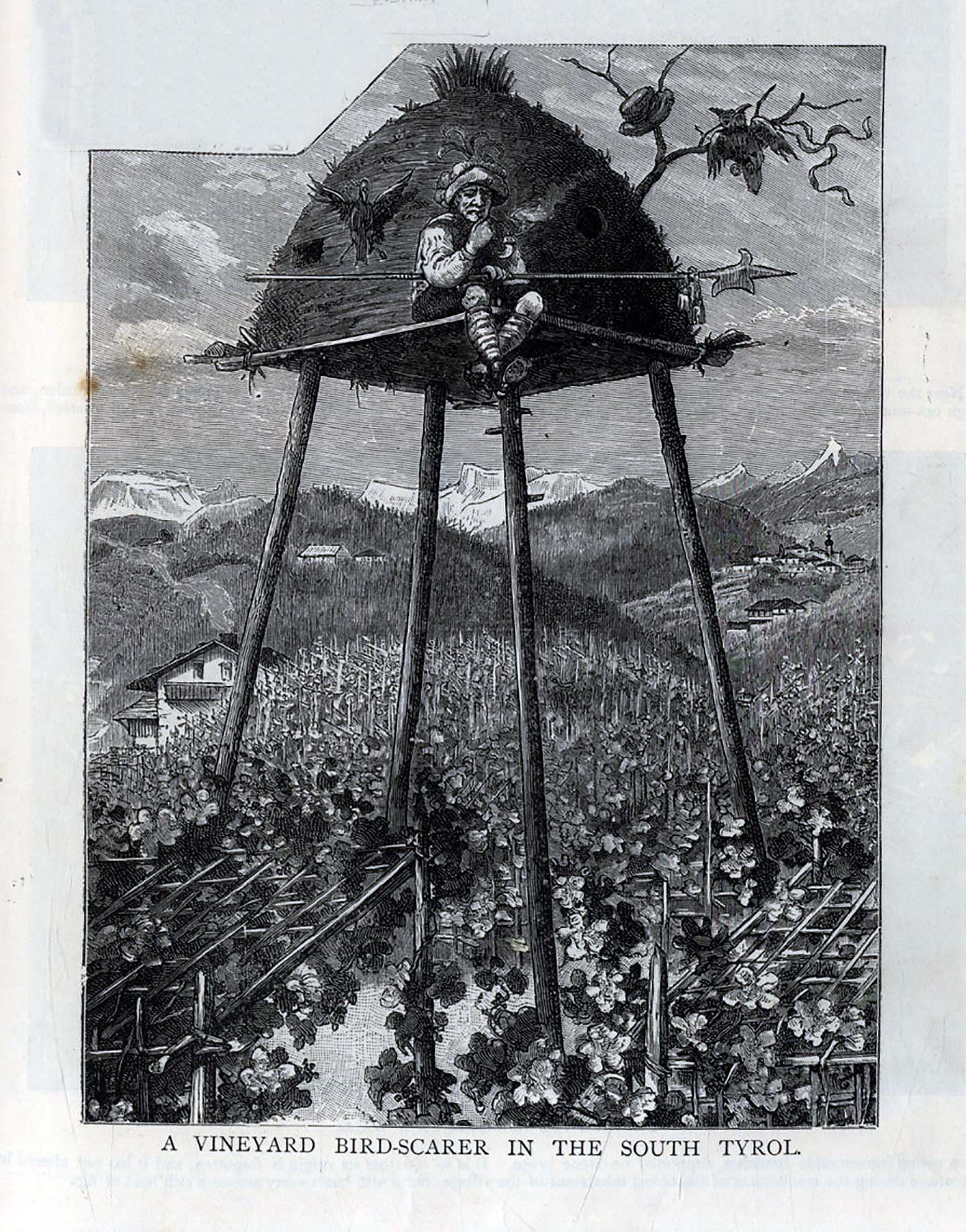 |
VINEYARD BIRD SCARER in the South Tyrol |
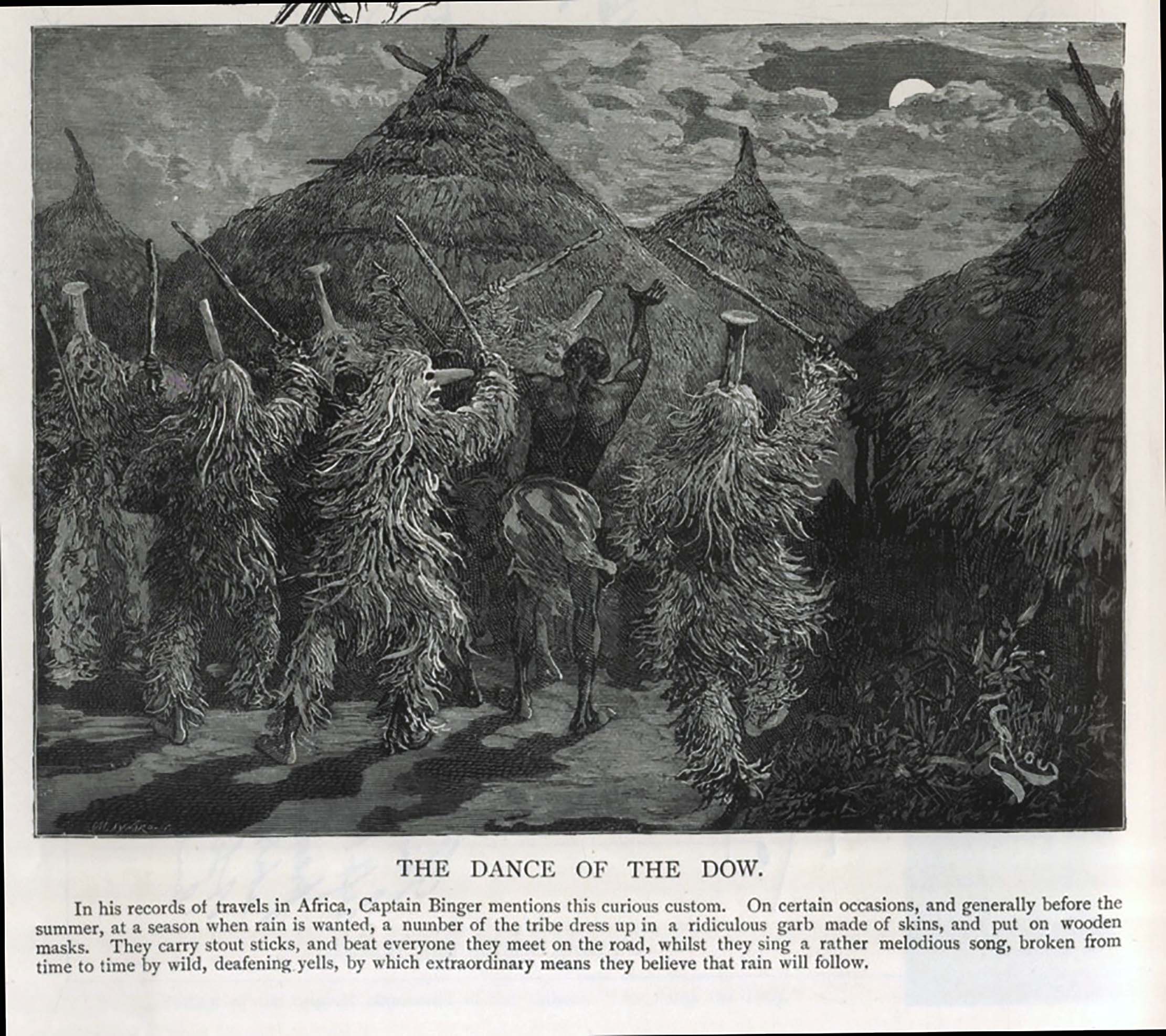 |
THE DANCE OF THE DOW as recorded by Captain Binger |
 |
THE JINGLING FAKIR with 670 pounds of chain links |
 |
Altzenbach DEATH AS A WOMAN, a clothed skelton |
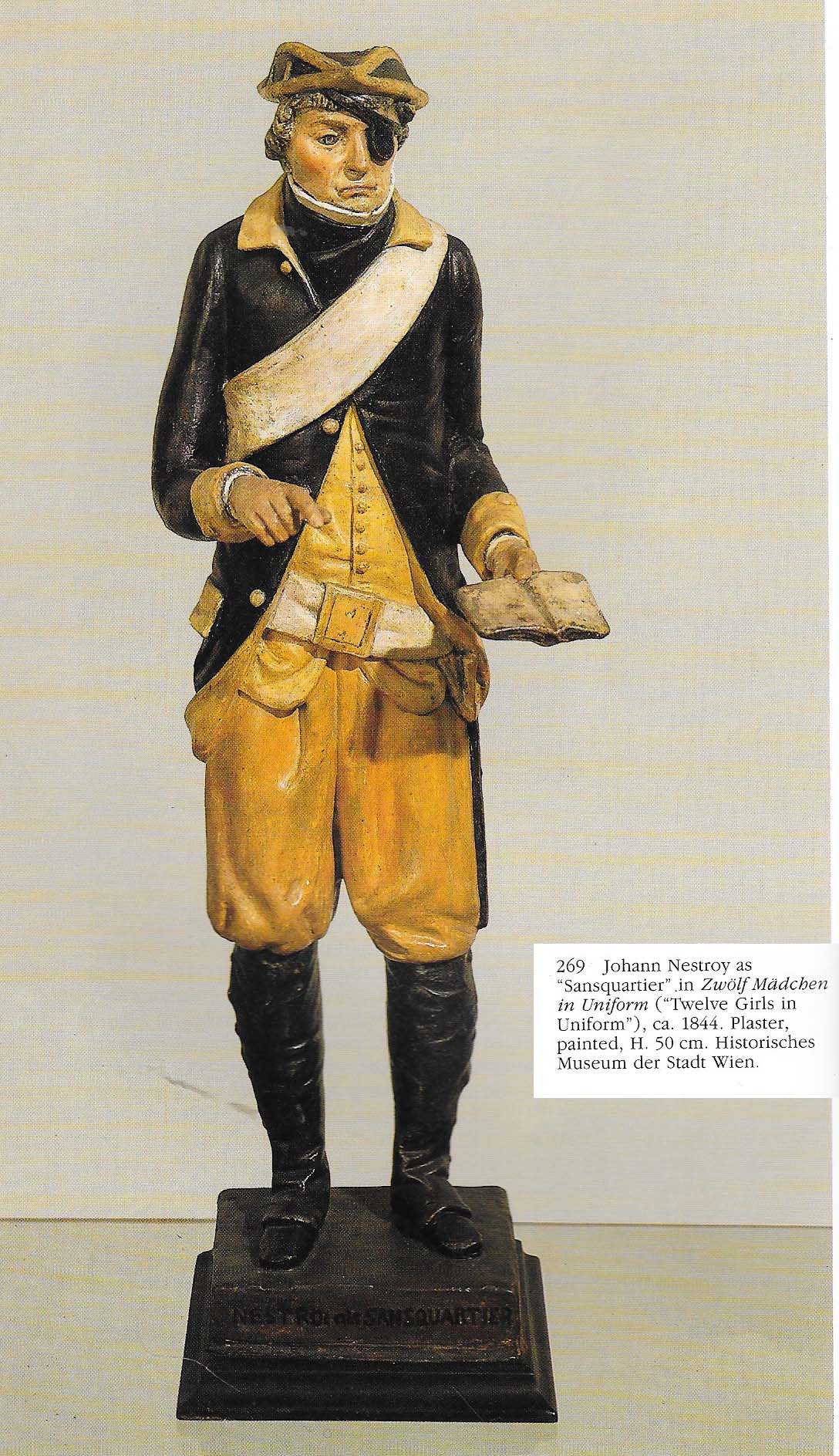 |
PLASTER FIGURE FROM 12 Girls in Uniform c1844 |
|
LITTLE TICH ON STAGE |